
Zelensky Vows Loyalty to Ukraine as Putin Endorses US Peace Plan
The Tension Over the US-Russia Peace Plan for Ukraine
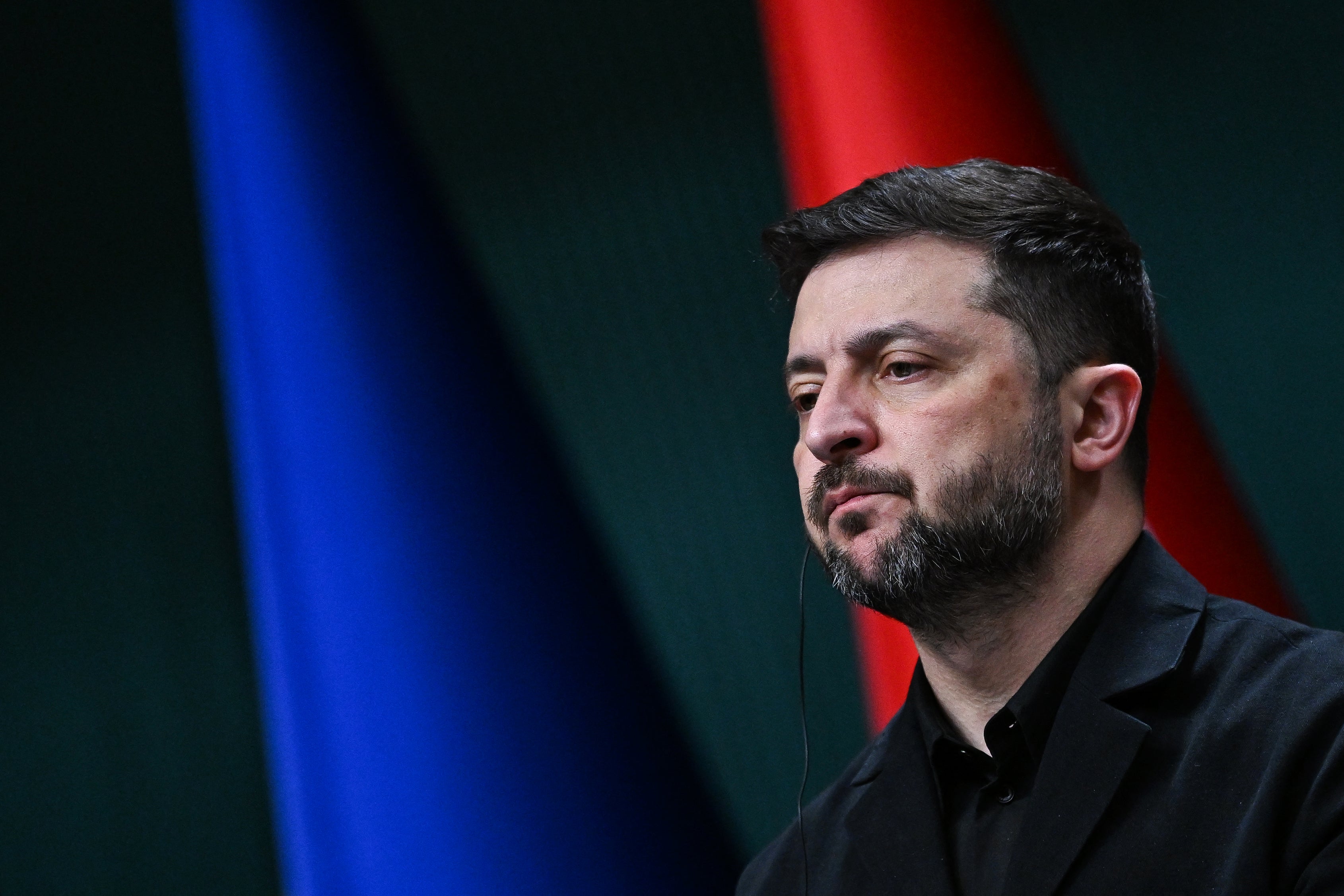
Ukrainian President Volodymyr Zelensky has made it clear that he will not betray his country, even as he faces mounting pressure to accept a U.S.-backed peace plan that includes significant concessions. This comes after a phone call with U.S. Vice President JD Vance, where Zelensky expressed concern over the difficult choices facing Ukraine. He warned that the nation might have to choose between losing its dignity or risking the loss of a key partner.
The United States has issued a stark warning to Ukraine: sign the framework of the proposed peace deal by next Thursday or risk having its weapons supply cut off. Meanwhile, Russian President Vladimir Putin has shown support for the plan, suggesting it could form the basis of a final settlement.
The 28-point U.S. proposal endorses some of Russia's main demands in the war, including territorial cessions, military reductions, and restrictions on Ukraine's NATO membership. Sources have indicated that Washington is applying more pressure on Kyiv than ever before, with potential cuts to intelligence sharing also being considered.
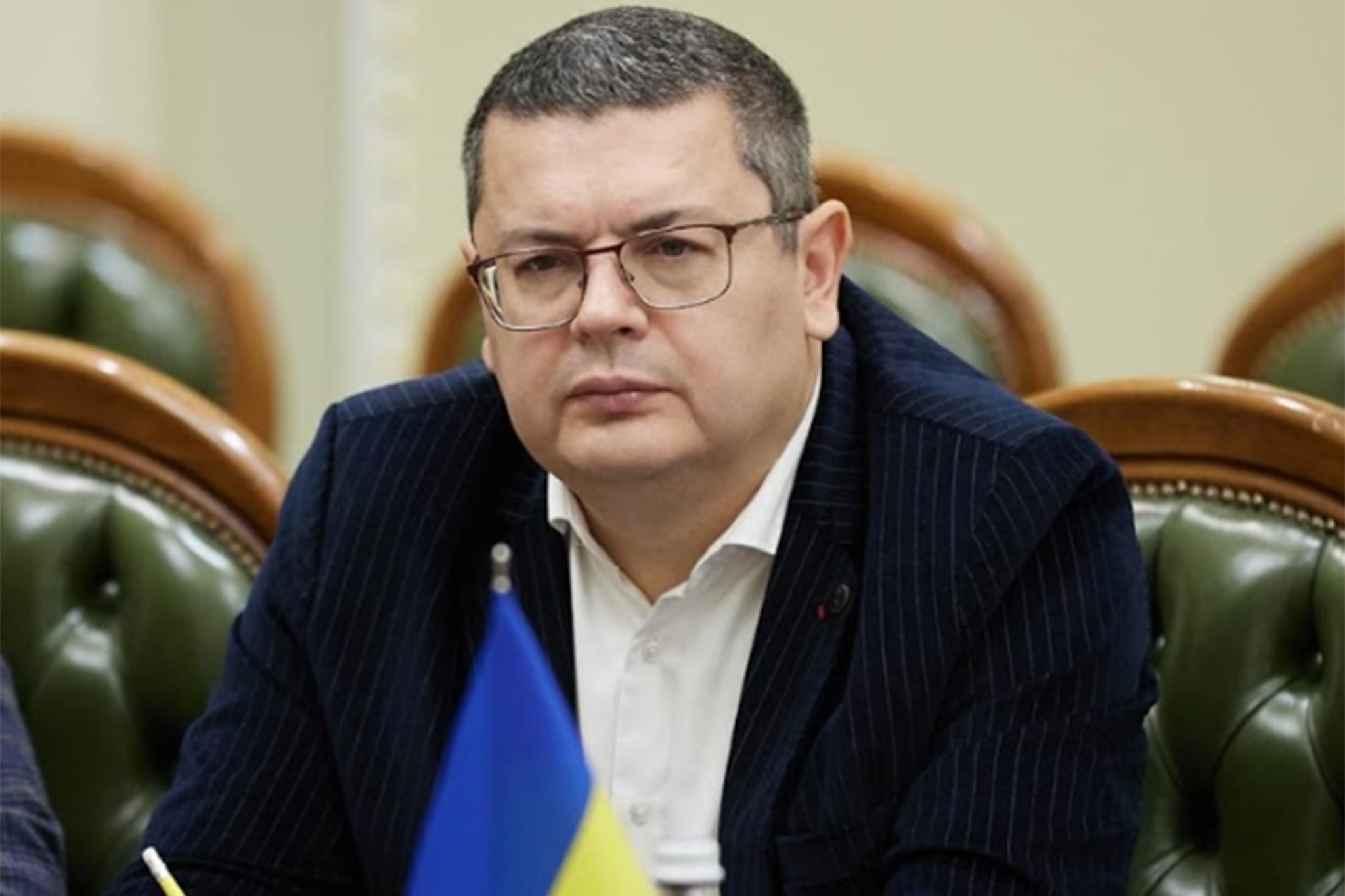
Zelensky is set to hold a call with Donald Trump next week to discuss the contentious plans. However, many within Ukraine and its allies view the plan as unacceptable. A Ukrainian lawmaker, Oleksandr Merezhko, described the plan as a "total failure" with "controversial and contradictory points," emphasizing that only the principle of respecting Ukraine's sovereignty was acceptable.
Key Points
- Zelensky says he won't 'betray' his country after peace plan talks with JD Vance
- Putin says US peace plan for Ukraine could form 'basis' of final settlement
- Trump demands Zelensky approve US peace plan for Ukraine
- US tells Ukraine: Sign deal by Thursday or have weapons cut off
- Starmer: Ukraine's future 'must be determined by Ukraine'
- Zelensky and Trump to hold phone call next week, according to reports
- Trump deal ‘unacceptable’ for Ukraine, Kyiv lawmaker tells The Independent
- Zelensky faces rebellion as Ukraine’s president under growing pressure
The Growing Pressures on Zelensky
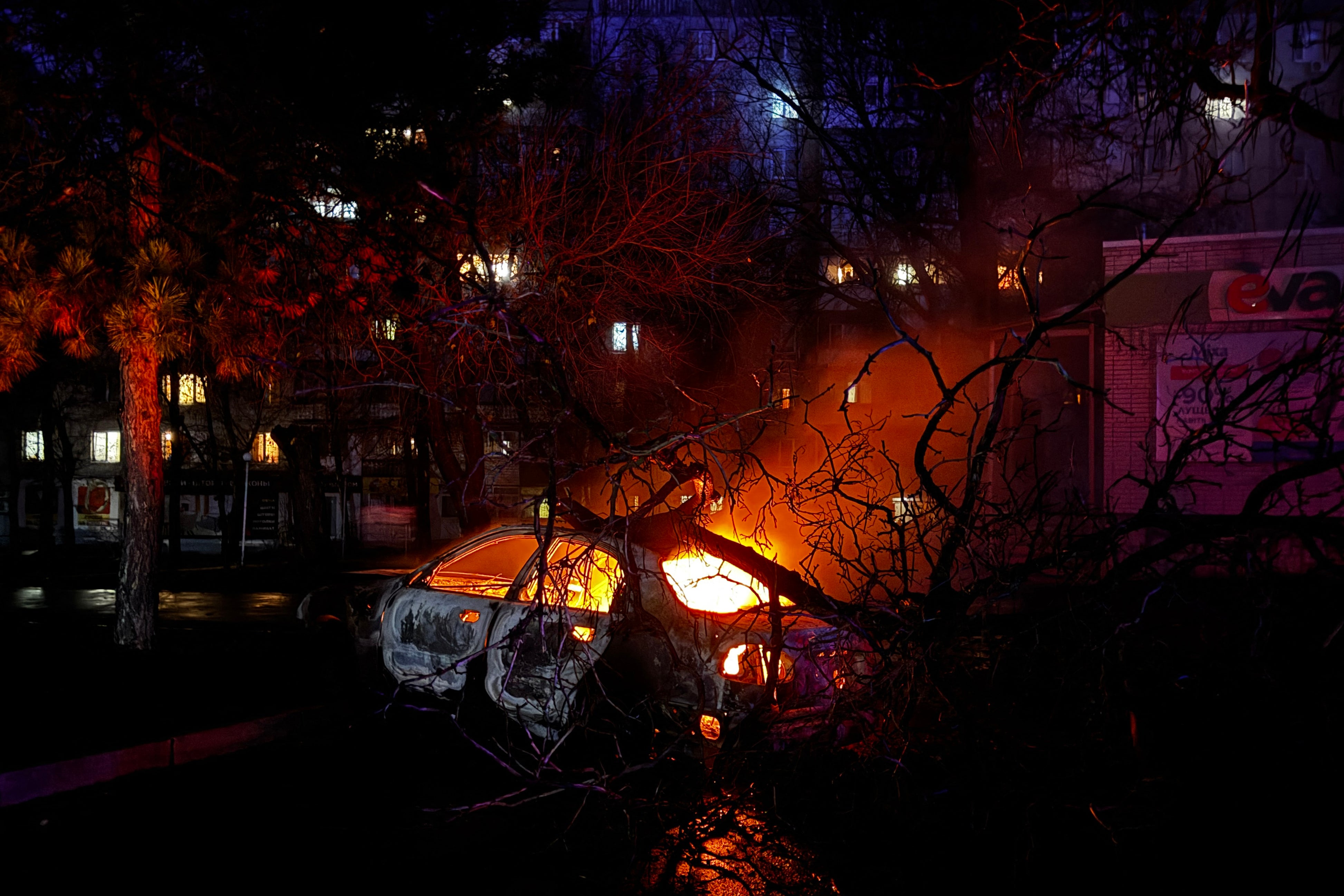
Zelensky is dealing with multiple crises, including a $100 million corruption scandal involving top officials and associates. At the same time, the U.S. is pushing for a peace plan that requires major concessions from Ukraine, while Russia continues its advances along the front lines and attacks Ukraine's power plants, causing severe electricity shortages as colder weather sets in.
Here are five things to know about the growing pressures confronting Zelensky:
- Zelensky faces rebellion as Ukraine’s president under growing pressure
- Trump's Ukraine envoy Keith Kellogg expected to leave his post as new peace plan emerges
- Trump's Ukraine envoy Keith Kellogg expected to leave his post as new peace plan emerges
- Watch: Putin says US peace plan for Ukraine could form 'basis' of final settlement
- Trump demands Zelensky approve US peace plan for Ukraine
The Role of Trump's Envoy
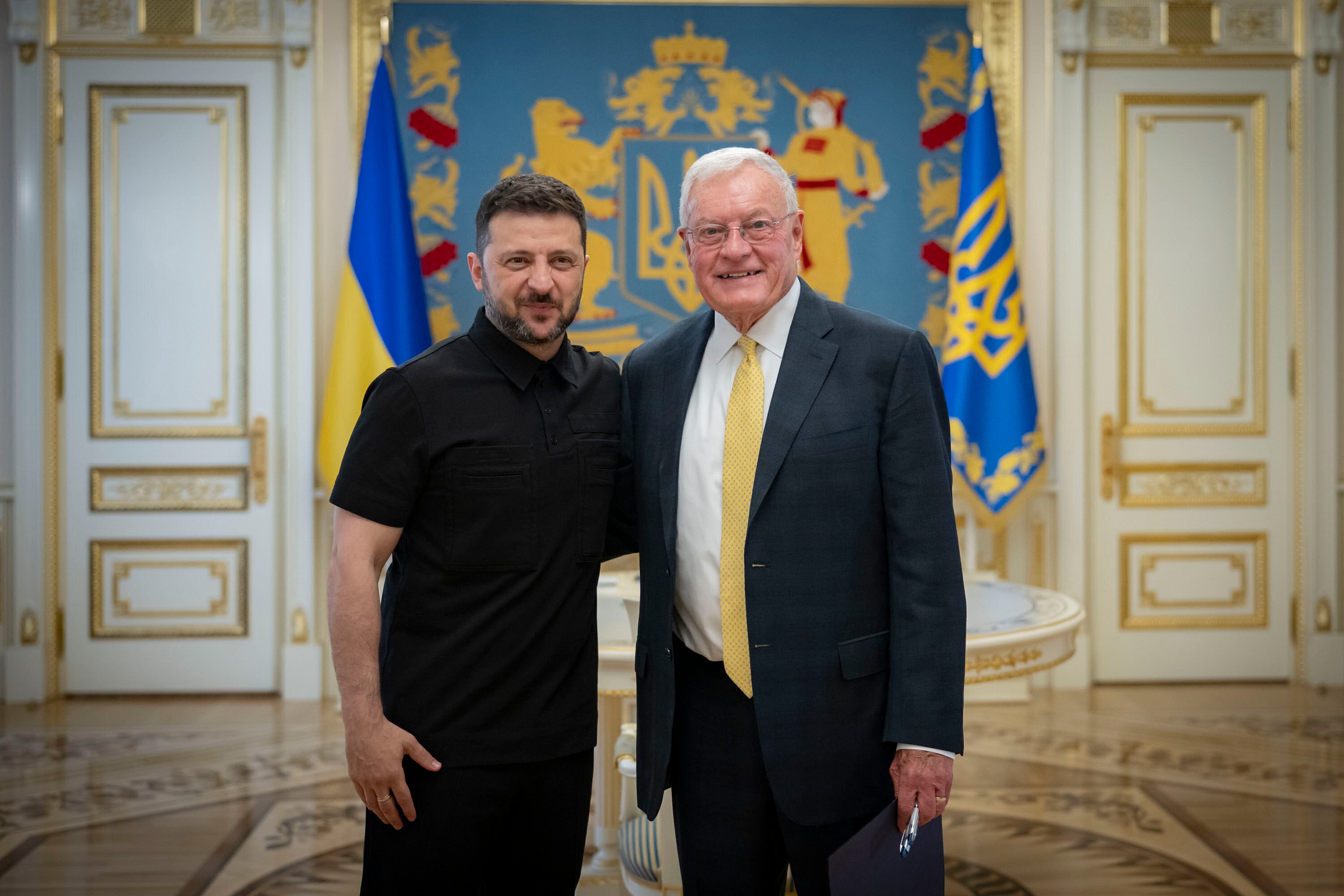
Donald Trump's special envoy to Ukraine, Keith Kellogg, has informed the White House that he will leave his post in January. This move comes as the White House works on a new peace plan aimed at ending the war in Ukraine, which is largely coordinated by Trump envoy Steve Witkoff and Kirill Dmitriev, an adviser to Russian President Vladimir Putin. The plan calls for major concessions by Kyiv, including ceding territory to Russia and abandoning certain weaponry.
Kellogg was initially named special envoy for Ukraine and Russia during Trump's presidential transition. However, his role diminished as Witkoff emerged as the president's chief interlocutor with Putin and his advisers.
The U.S. Push for a Peace Deal
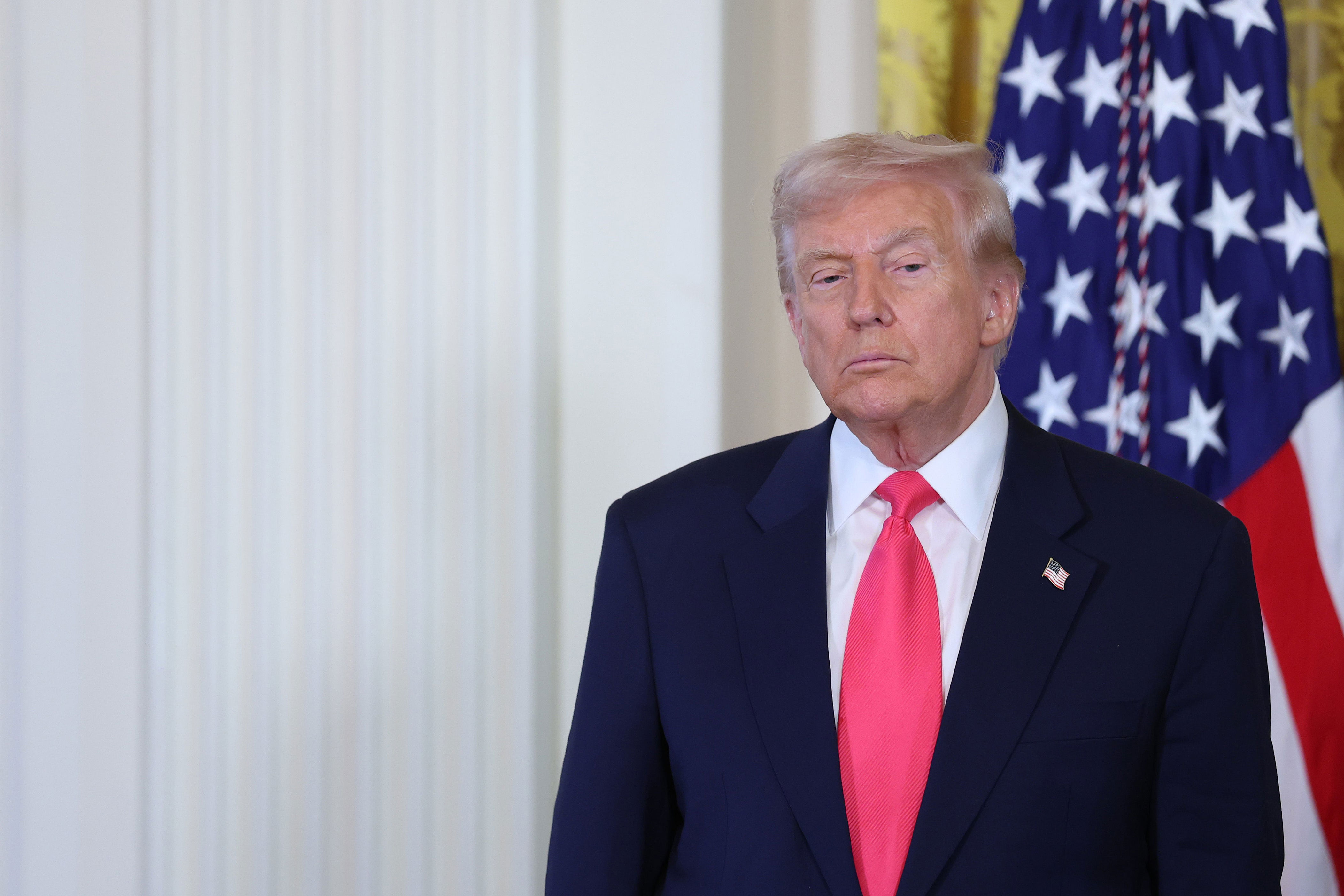
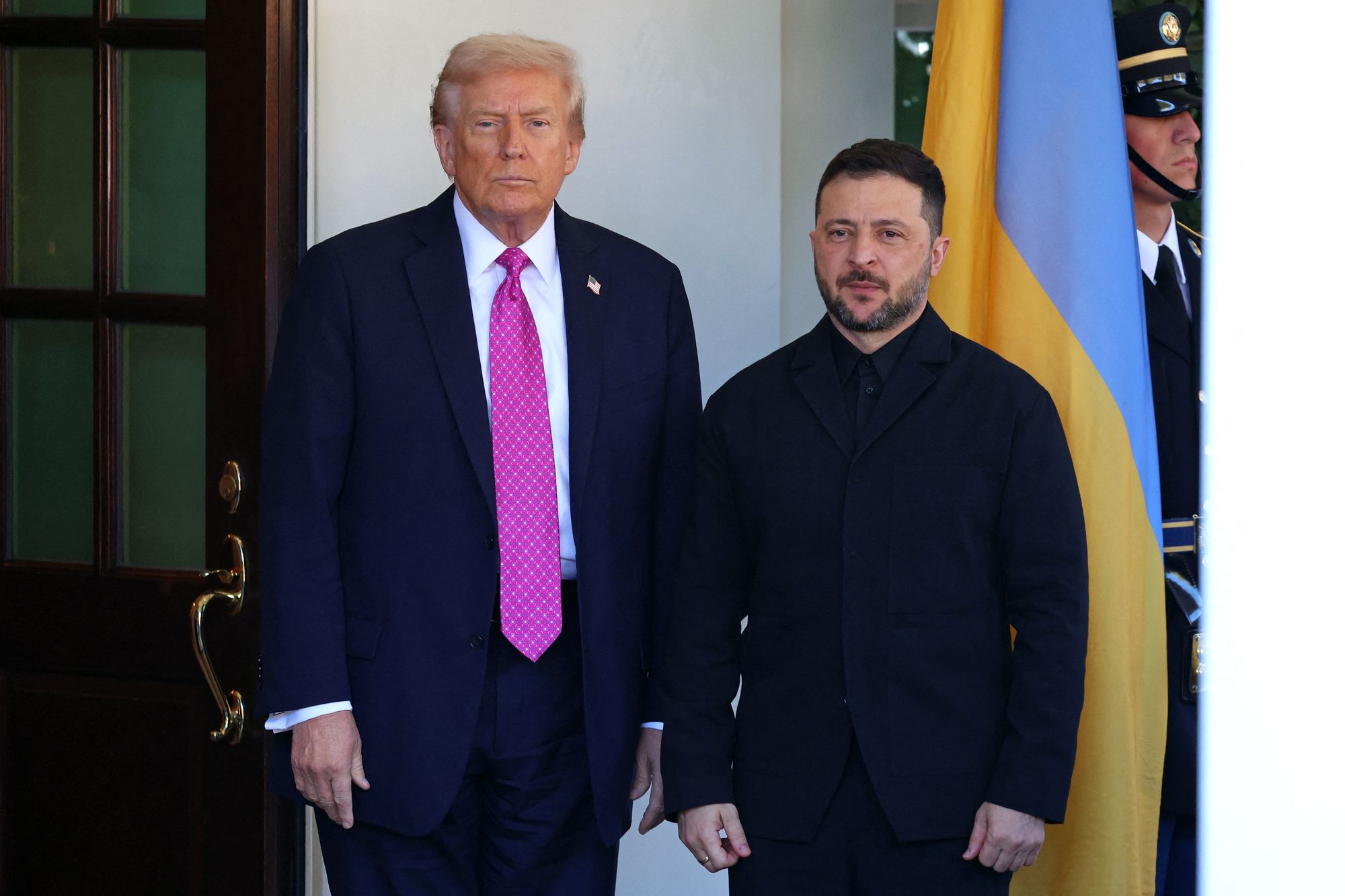
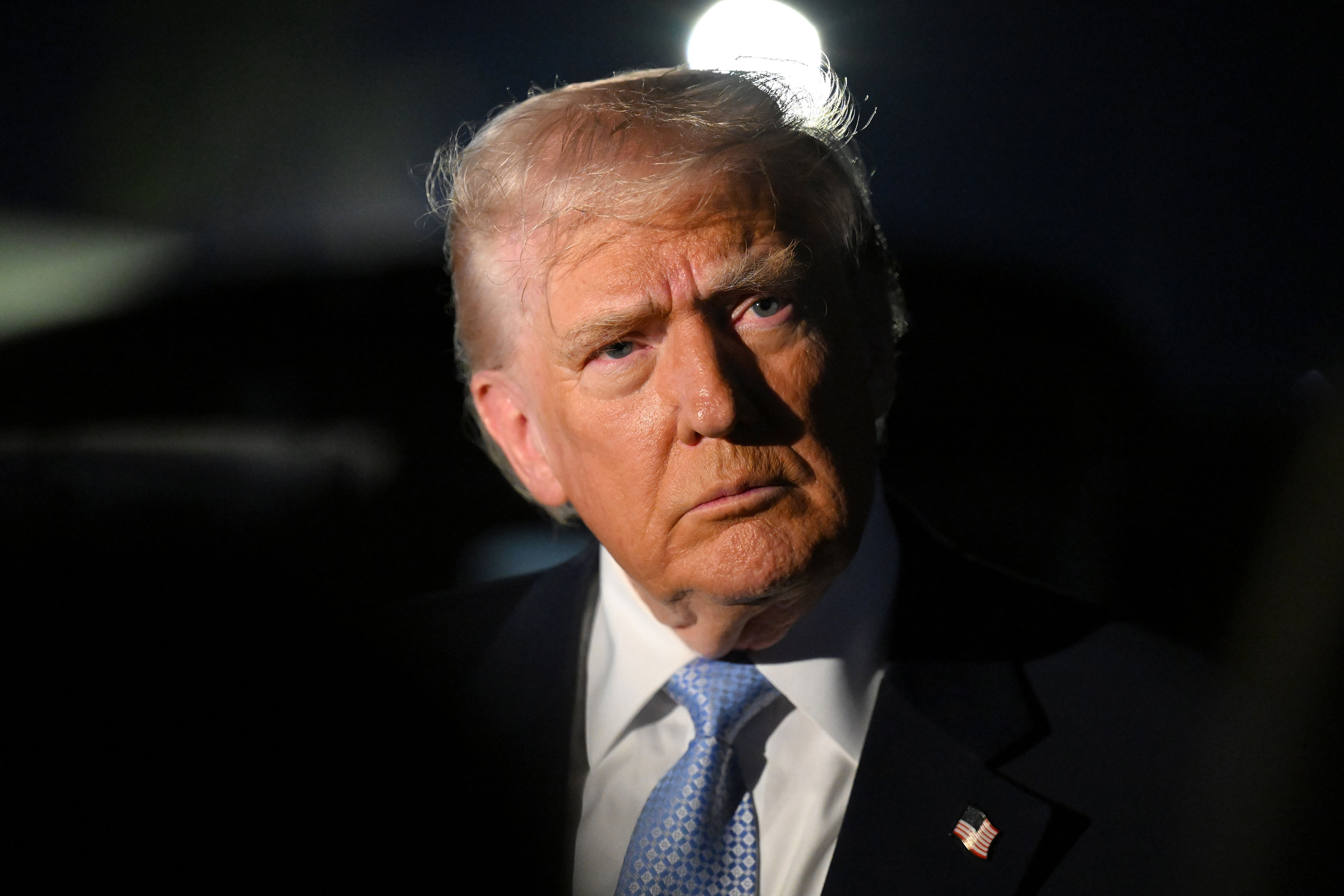
Donald Trump has demanded that Volodymyr Zelensky approve the U.S. president’s proposed peace plan for Ukraine. Mr. Trump said the Ukrainian president will “have to like” the U.S.-backed deal. The U.S. has issued a stark warning to Ukraine to agree to the plan within days, as the country faces the possibility of losing its weapons supply if it does not comply.
Zelensky has warned of “one of the most difficult moments in our history” as he considers a 28-point, U.S.-brokered plan that appears to heavily favor Russia. Ukraine would have to cede land, agree not to join NATO, and accept limits on the size of its military—while Russia would be welcomed back into the international community.
“Ukraine may now face a very difficult choice, either losing its dignity or the risk of losing a key partner,” Zelensky said in a bleak address to the nation, vowing he would not betray his country.
European Leaders' Stance
European leaders have been vocal in their support for Ukraine’s right to determine its own future. British Prime Minister Keir Starmer emphasized that “Ukraine’s future must ultimately be determined by Ukraine.” French President Emmanuel Macron and German Chancellor Friedrich Merz also participated in discussions with Zelensky, reaffirming their support for Ukraine’s self-determination.
German Research and Technology Minister Dorothee Baer suggested that civilian scientists should be free to work on military or dual-use projects to support Europe's push for greater independence in security and defense. This follows concerns raised after Russia's invasion of Ukraine, as many public universities have strict conventions against such research.
The Impact of Sanctions on Ukraine
Lithuania has halted shipments of oil cargoes by Russia's Lukoil to the Russian exclave of Kaliningrad due to U.S. sanctions. The U.S. Treasury's Office of Foreign Assets Control (OFAC) imposed sanctions on Lukoil over the war in Ukraine and warned foreign companies doing business with the Russian group of consequences if this continued beyond a November 21 deadline.
The Debate Over Military Research
Germany's research and technology minister has called for a reconsideration of the so-called civilian clauses at universities, arguing that the strict separation from military research is holding back some start-up firms seeking to spin off from academic institutions. She noted that the decision would ultimately lie with individual institutions and researchers.
Aerospace research is set to become a focal point of the debate after Germany's defense ministry unveiled plans to invest 35 billion euros ($40 billion) in space to make the military the backbone of the country's space strategy.
The Political Reactions
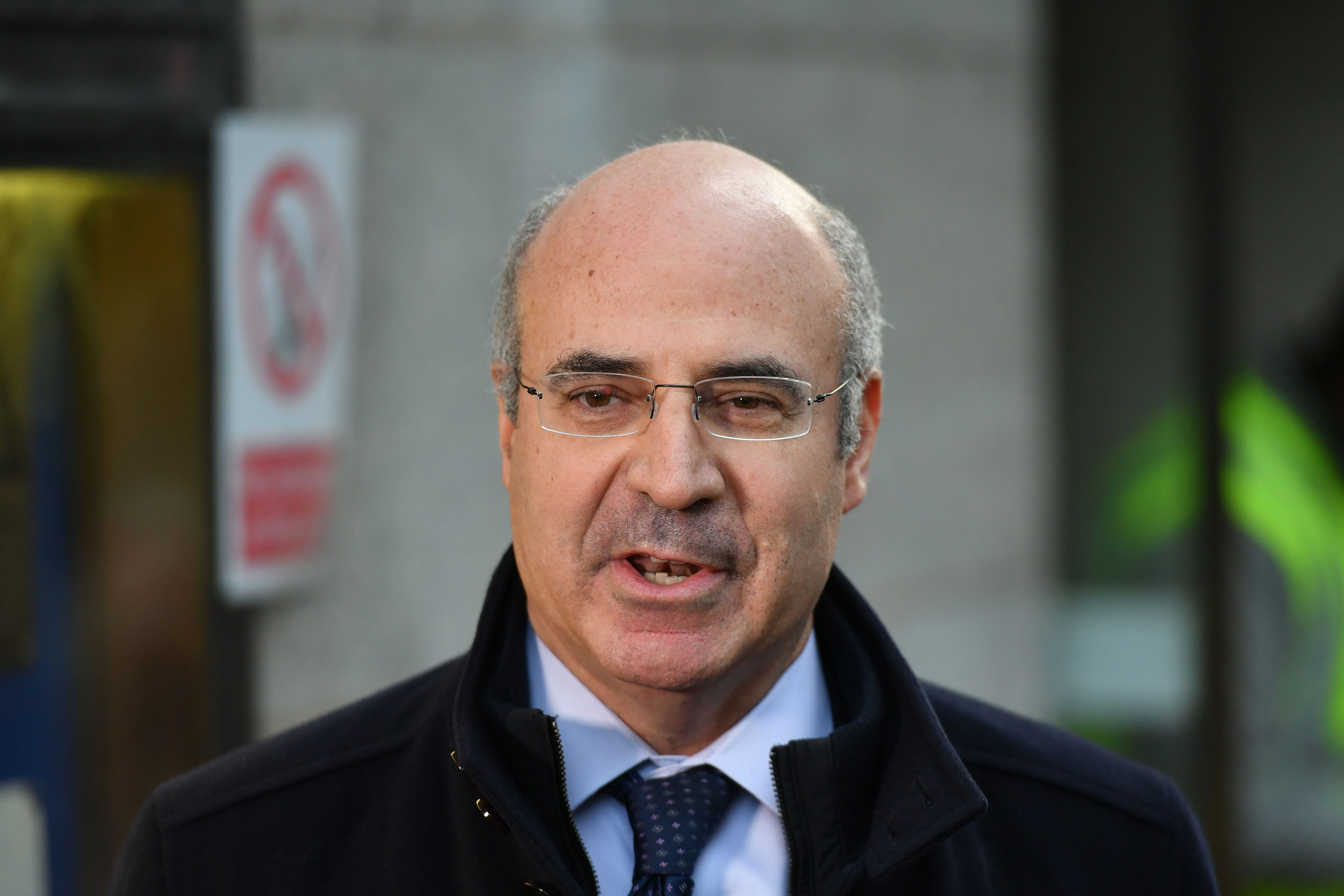
Ukrainian MP Oleksandr Merezhko has strongly criticized the Trump peace plan, calling it “absolutely unacceptable.” He described the plan as a “total failure” with “controversial and contradictory points,” stating that only the principle of respecting Ukraine's sovereignty was acceptable.
Merezhko added that the plan will “never” be acceptable for Ukraine and warned that “politically, it’s not going to work anyway.”
The Call for Unity
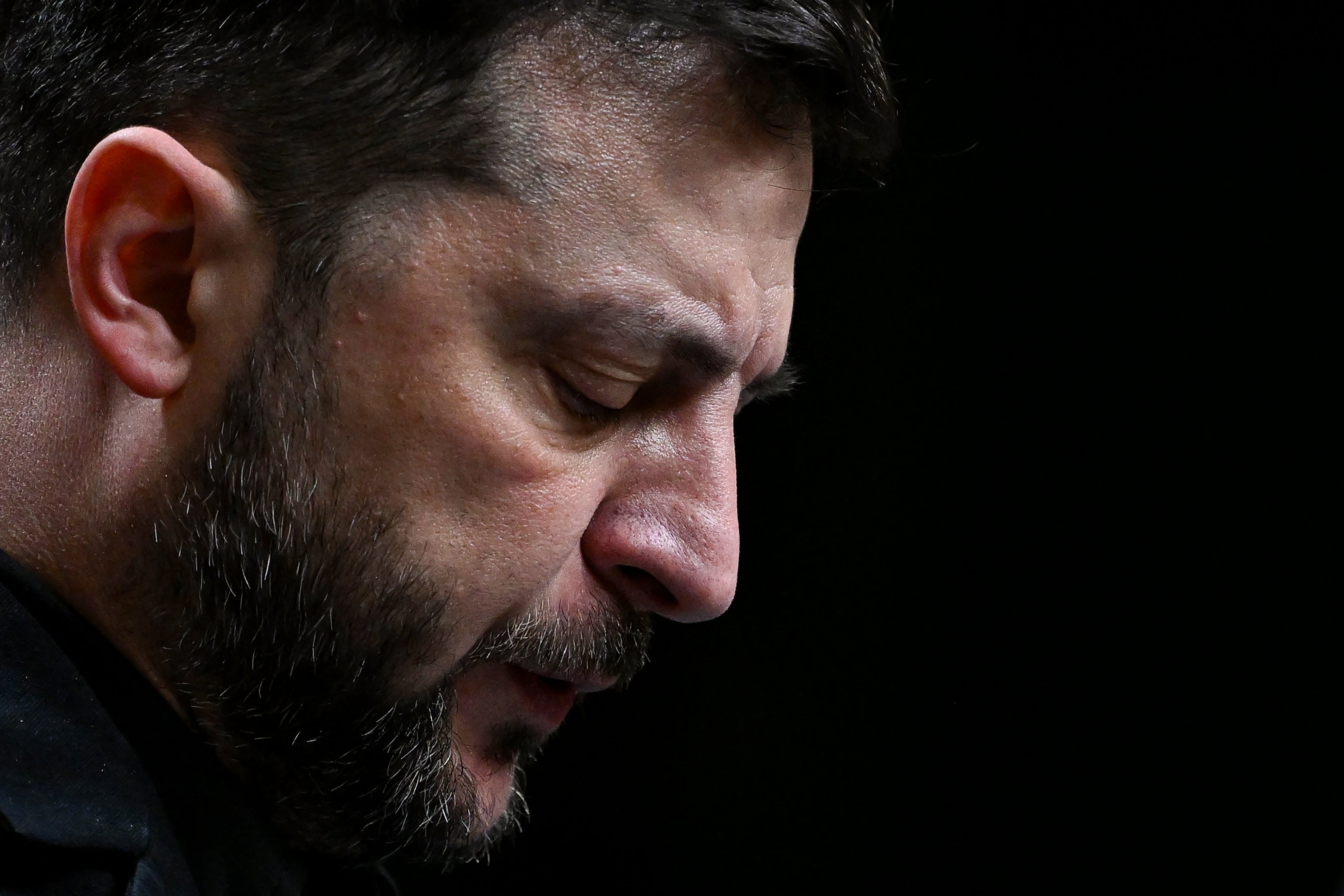
In a video address to the nation, Zelensky urged Ukrainians to unite and stop political games. He emphasized the importance of working together to ensure the success of any peace efforts.
“We did not betray Ukraine then (on February 24, 2022), and we will not do so now. And I know for sure that in this truly one of the most difficult moments in our history, I am not alone. That Ukrainians believe in their state, that we are united.”
The International Response
European leaders continue to rally to Ukraine’s support as the U.S. seeks to impose a peace deal on the war-torn country. British Prime Minister Keir Starmer reiterated that all matters to do with Ukraine must be determined by Ukraine itself.
Czech President Petr Pavel stated that if a peace plan for Ukraine is to be fair, it must not punish Kyiv and must guarantee its sovereignty. He emphasized that for the peace plan to be just, it must not punish the victim or overlook the crimes committed.
The Human Cost
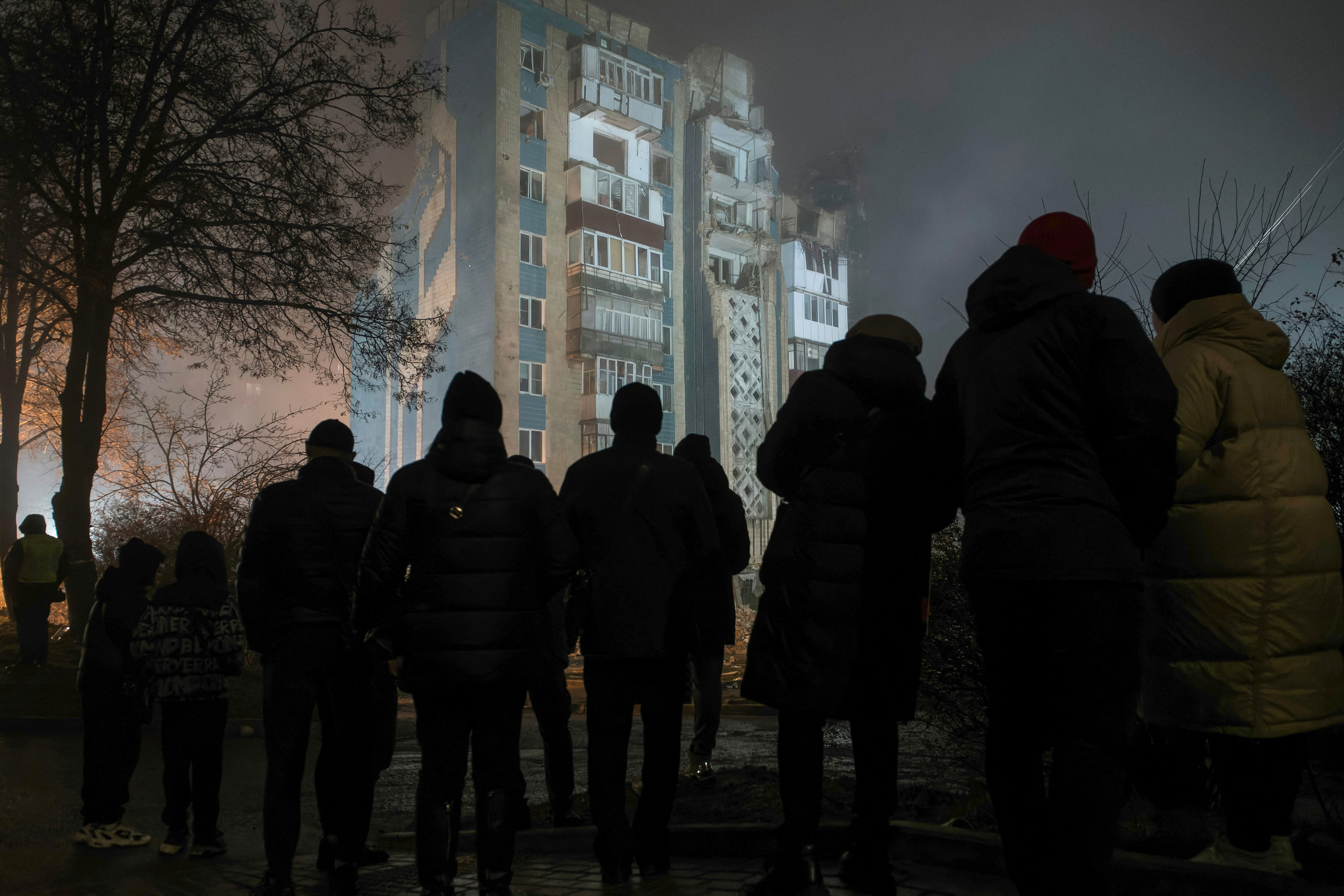
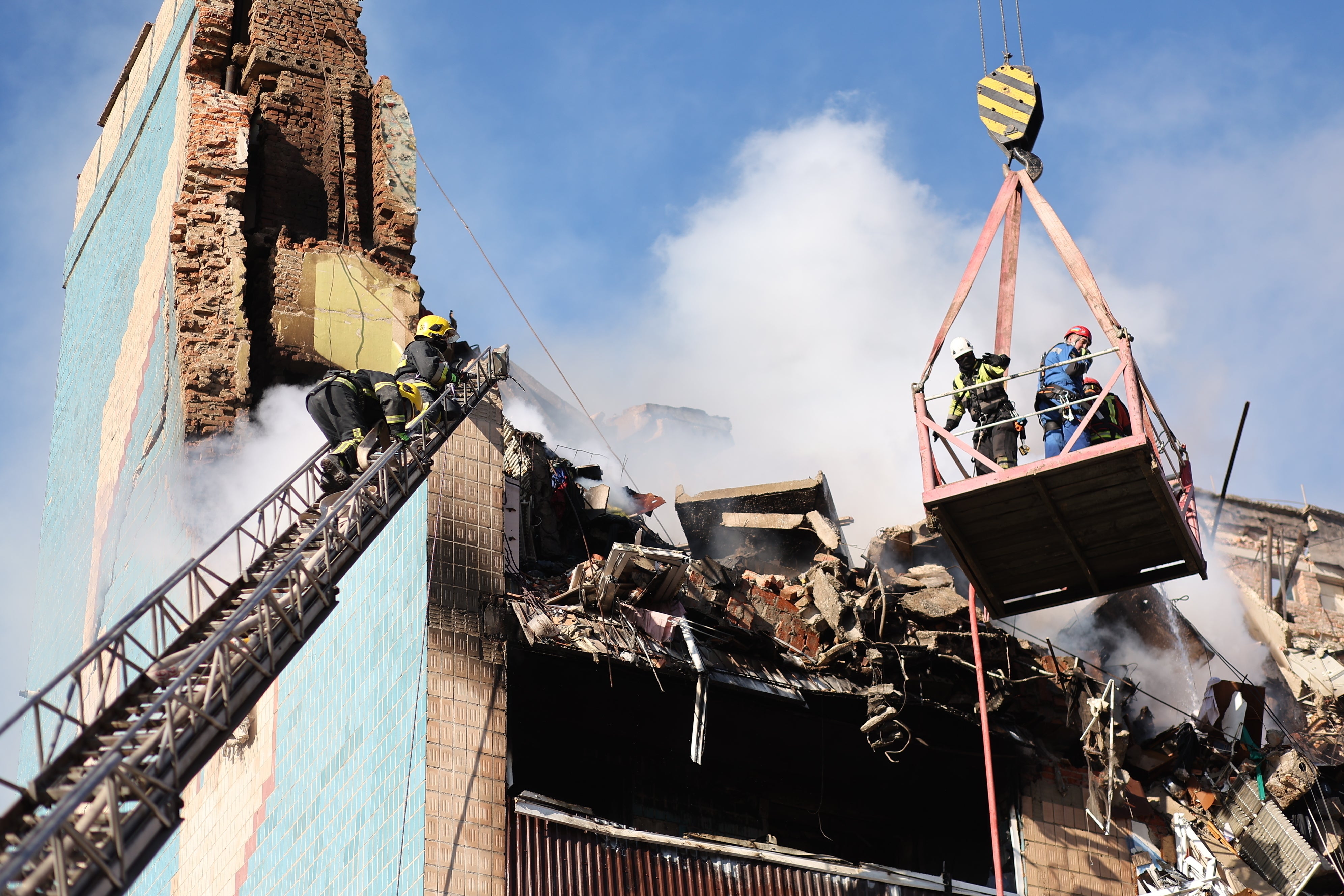
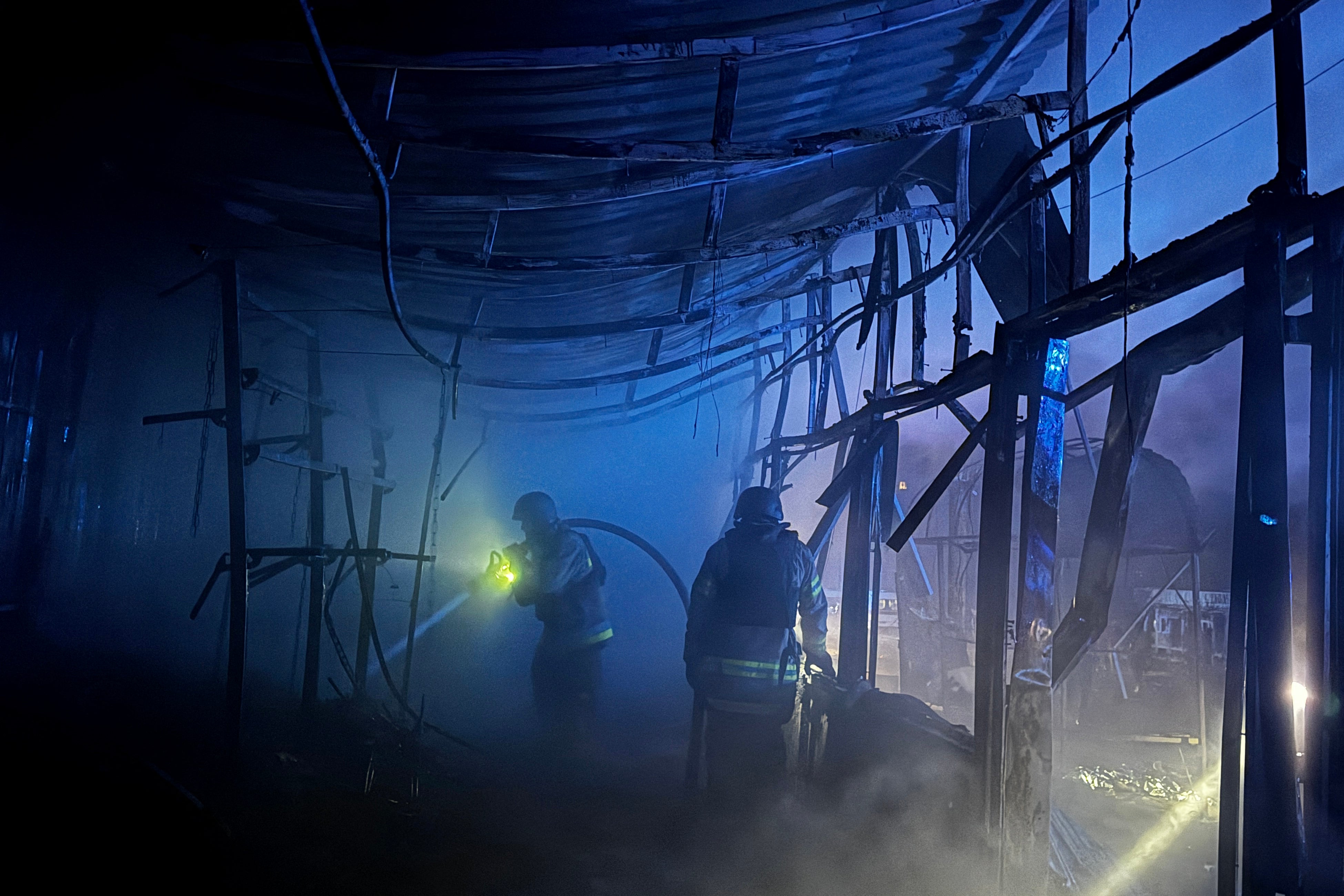
The death toll from a Russian strike on Ternopil has risen to 31, with rescuers recovering three more bodies. This includes six children, with a total of 94 people injured, including 18 children. Serhii Ziubanenko, head of the National Police in Ternopil Oblast, confirmed the recovery of the bodies of a mother and her two children, aged 5 and 18 months.
Another 13 people are still considered missing and may be under the rubble, authorities said.
Zelensky's Address
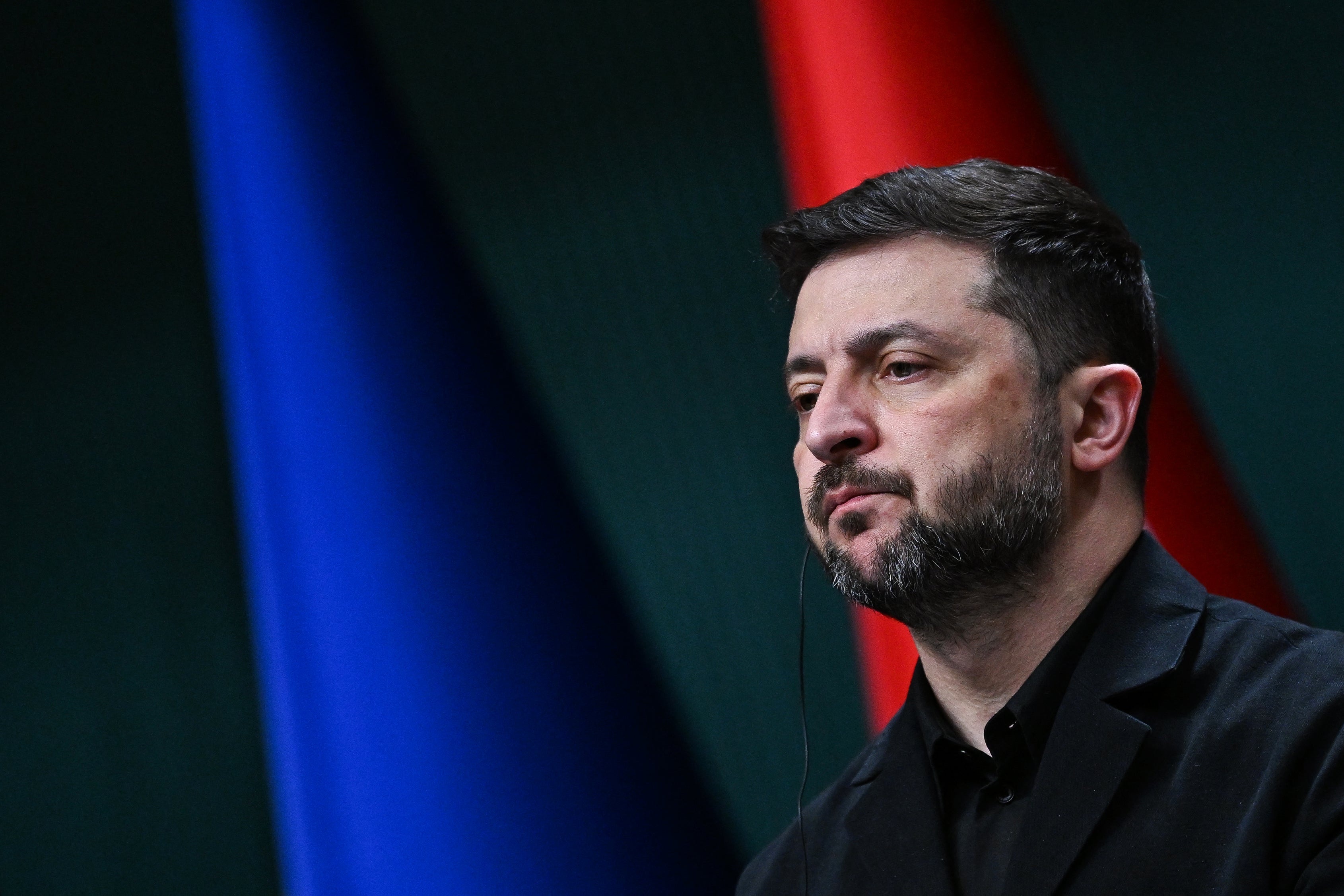
In a video address to the nation, Zelensky said that Ukraine has to confront the possibility of losing its dignity or risking the loss of a key partner as it figures out how to respond to a U.S. peace proposal.
“This is one of the most difficult moments in our history,” Mr. Zelensky said. “Currently, the pressure on Ukraine is one of the hardest. Ukraine may now face a very difficult choice, either losing its dignity or the risk of losing a key partner.”
He said he will not betray Ukraine as he promised to propose “alternatives” to the plan put forward by the Trump administration.
The Principle of Sovereignty
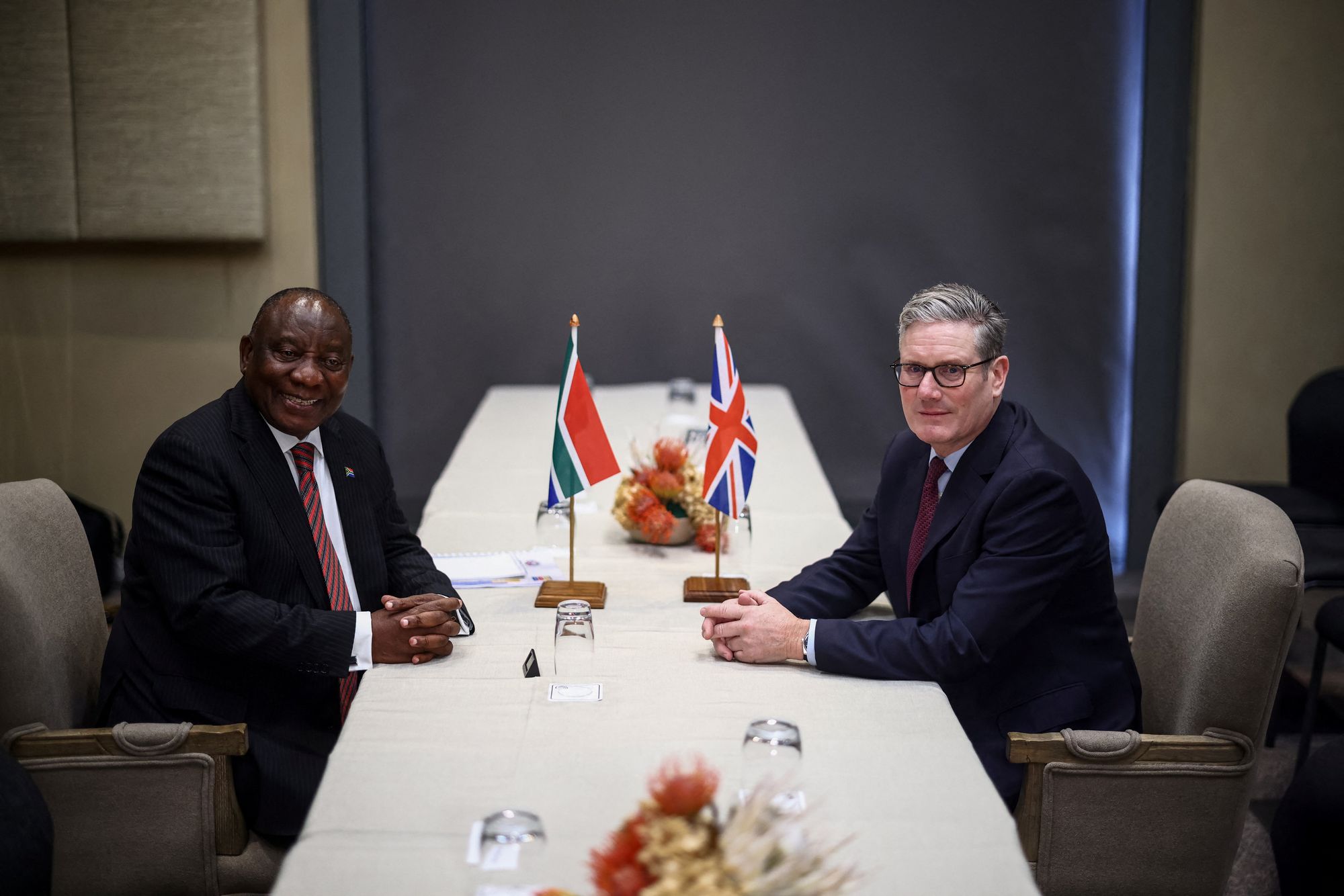
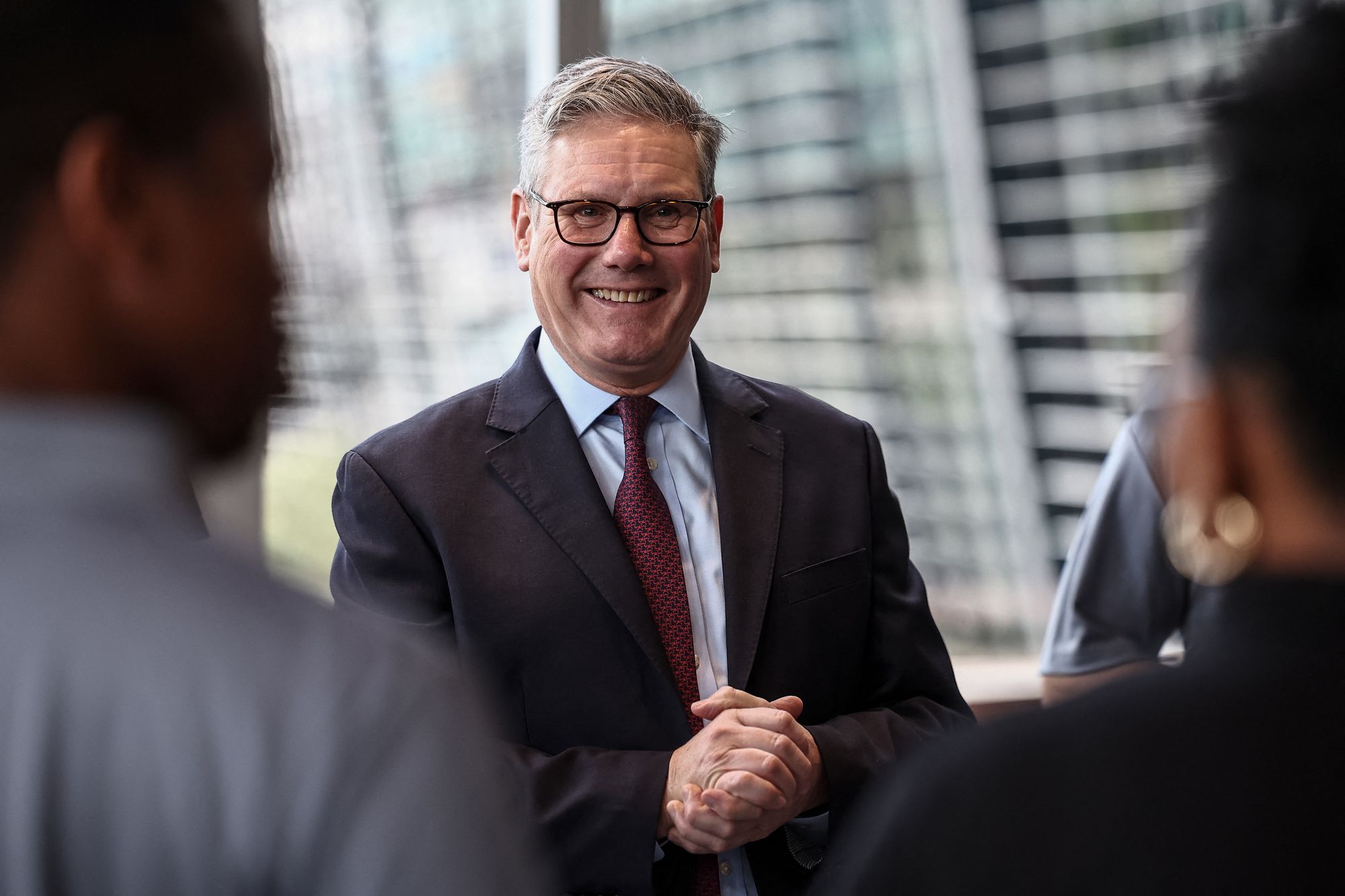
Sir Keir Starmer has said that Ukraine’s future must “ultimately be determined by Ukraine.” The prime minister reiterated his belief in Kyiv's self-determination in a call with Ukrainian president Volodymyr Zelensky about the U.S.-Russia developments.
French president Emmanuel Macron and German chancellor Friedrich Merz also took part in the call. “That was an opportunity for us to express, again, our support for Ukraine and the principle that's very important, which is all matters to do with Ukraine must be determined ultimately by Ukraine,” he told broadcasters at a Johannesburg train depot.
The Military Situation
The Kremlin has claimed that around 5,000 Ukrainian troops were trapped on the eastern bank of the River Oskil, in Ukraine's eastern Kharkiv region. Russia said late on Thursday that it had taken control of Kupiansk, a large town that straddles the Oskil, but Ukraine denied it had fallen.
Kremlin spokesman Dmitry Peskov said on Friday that Russia's battlefield progress should convince Ukrainian President Volodymyr Zelensky to negotiate now rather than later.
The EU's Position
The European Union has emphasized that any peace plan for Ukraine must involve Ukraine and the EU. EU Commission president Ursula von der Leyen will reach out to Volodymyr Zelensky to discuss the U.S. peace plan on the sidelines of the G20 summit.
“We will discuss the situation both with European leaders and with leaders here on the sidelines of the G20. I will also reach out to President Zelenskyy to discuss the matter,” Ms von der Leyen told reporters.
The Disputed Claims
Ukraine has denied reports of Russian forces capturing Kupiansk. The chief of Russia's general staff told President Vladimir Putin that Russian forces had taken control of the northeastern Ukrainian city of Kupiansk, but Ukraine's military denied the city had changed hands.
Ukraine also dismissed Russian statements that its forces had taken over large parts of two other towns – Pokrovsk, a logistics hub it has been pressing to capture for months, and Vovchansk, near the Russian border.
The Human Toll
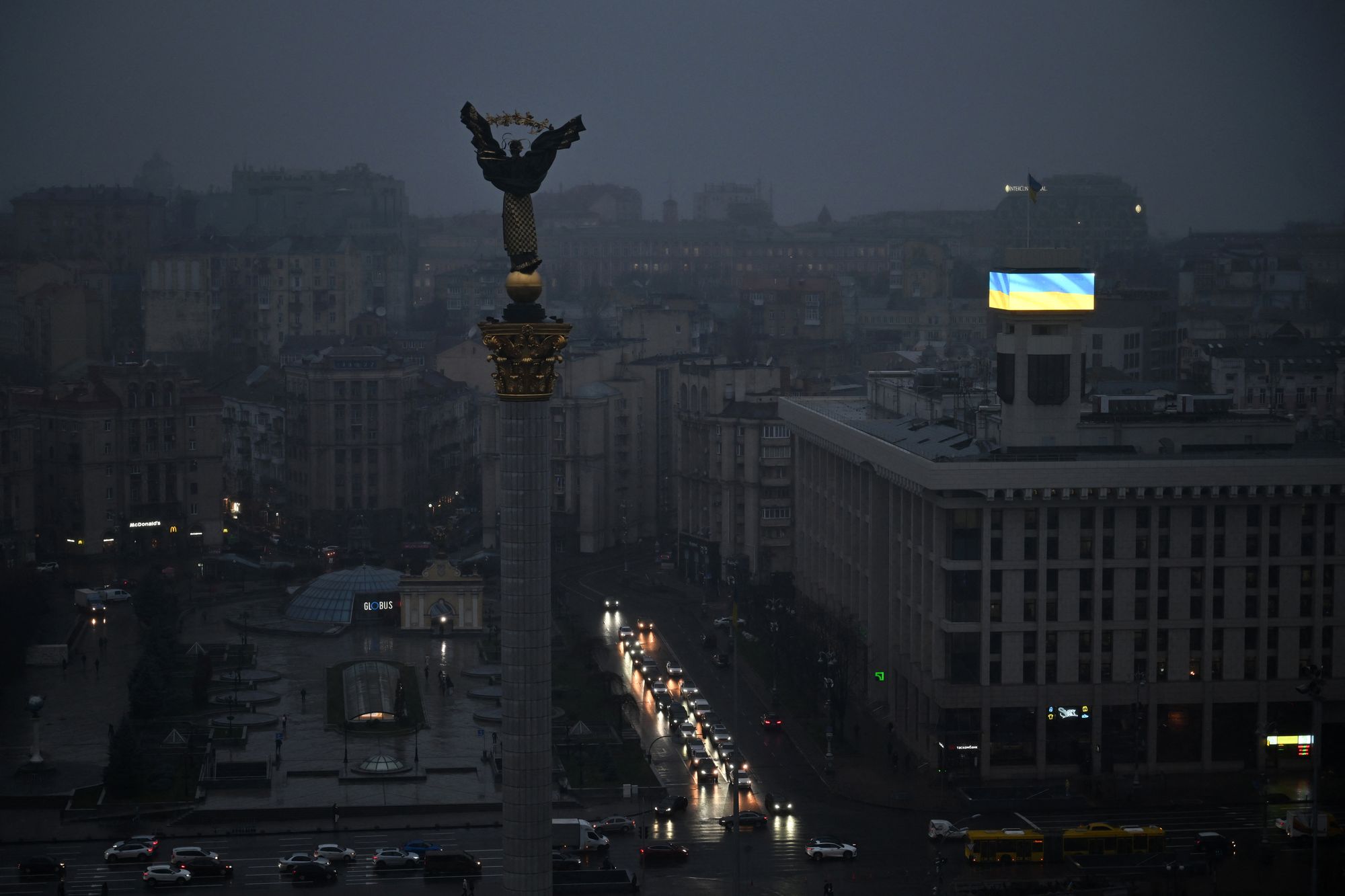
Ukraine has experienced a series of deadly strikes, with the death toll from a Russian attack on Ternopil rising to 31. Rescuers have recovered three more bodies, bringing the total number of casualties to 31, with 94 people injured, including 18 children.
The Impact of the War
As the war continues, the human cost remains high. The cold season poses a serious challenge for Ukraine, with the resilience of ordinary long-suffering Ukrainians facing its most serious test of the war so far.
The International Response
European leaders have pushed back against the proposed peace plan. The EU’s foreign policy chief, Kaja Kallas, said any agreement must have European countries and Ukraine itself on board. Polish foreign minister Radoslaw Sikorski said Ukraine, as the victim in the conflict, should not have restrictions imposed on its ability to defend itself.
The Peace Plan Details
The Trump peace plan involves a 28-point proposal that would require Kyiv to give up territory, reduce its military, and abandon its NATO membership application. It also includes provisions for full amnesty for all parties involved in wartime actions, eliminating any future legal claims over battlefield conduct.
The Diplomatic Efforts
Ukrainian President Volodymyr Zelensky has held talks on the U.S.-proposed peace plan with UK prime minister Sir Keir Starmer, German Chancellor Friedrich Merz, and French president Emmanuel Macron. He emphasized the need for a plan that ensures a real and dignified peace.
“We are working on the document prepared by the American side. This must be a plan that ensures a real and dignified peace,” Mr. Zelensky wrote on X.
The International Reaction
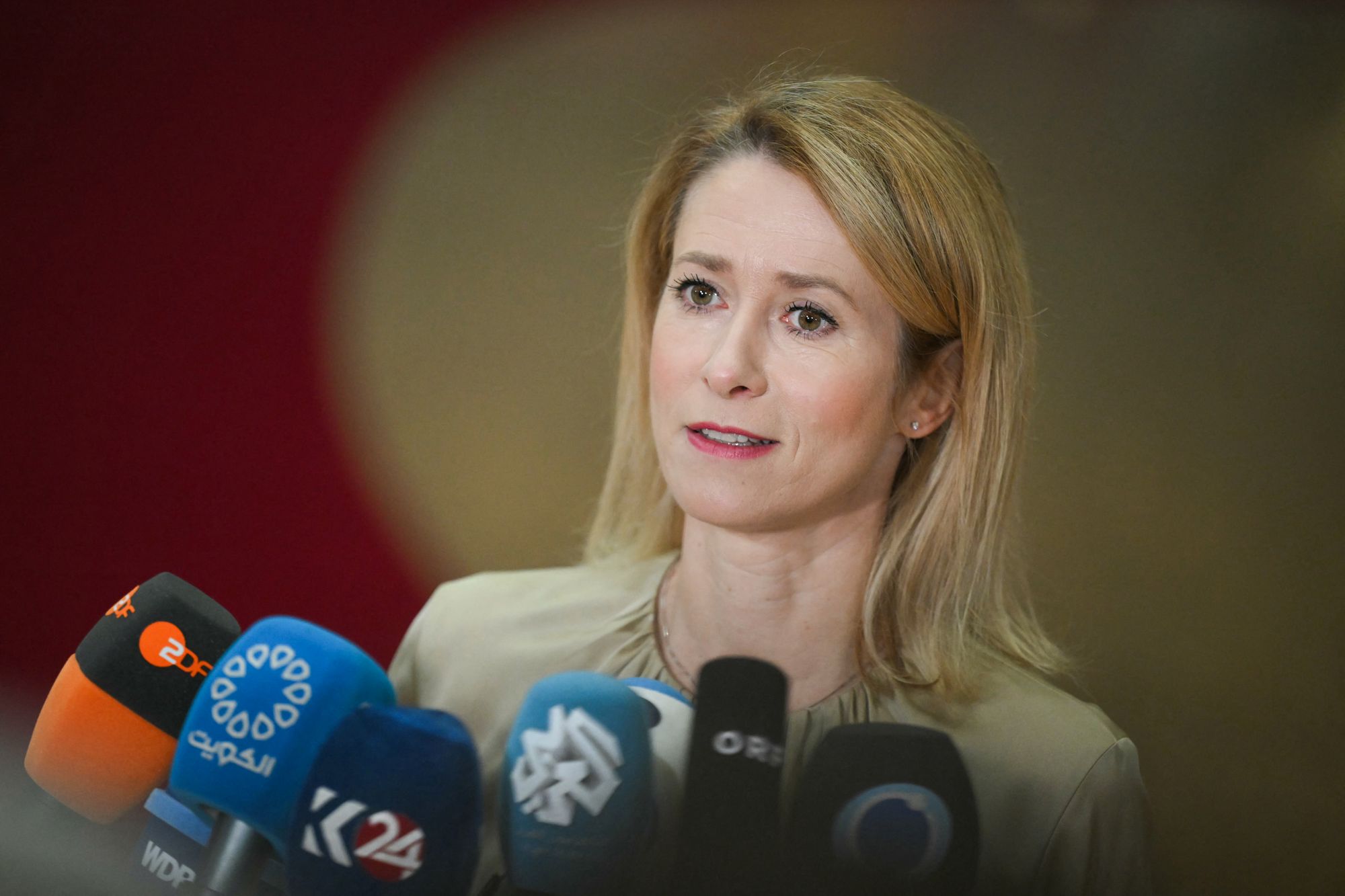
European countries have pushed back against the proposed peace plan. Spain’s foreign minister, Jose Manuel Albares, said on Thursday that any peace plan for Ukraine cannot be done without Ukraine and the European Union. A peace plan must also guarantee the existence of a sovereign and democratic Ukrainian state, he told reporters in Brussels before a meeting with his European Union counterparts.
The Final Decision
Ukraine has officially received Donald Trump's draft peace plan and is ready "to work constructively," but it has stressed its "red lines." Ukraine will not accept any limits on its right to self-defence or on the size and capabilities of its armed forces, nor will it tolerate any infringement on its sovereignty, including its sovereign right to choose the alliances it wants to join.

Post a Comment for "Zelensky Vows Loyalty to Ukraine as Putin Endorses US Peace Plan"
Post a Comment