
10 Nutrition Myths to Ditch in 2025
Understanding Common Nutrition Myths
For years, nutrition advice has been a mix of science, trends, and persistent misinformation. Many myths about nutrition still affect people’s dietary choices, despite numerous studies to the contrary. These ideas continue to spread on social media or at family dinner tables, often leading to confusion and poor eating habits.
Myth #1: Carbs make you gain weight

People have long blamed carbohydrates for weight gain, to the extent of inventing no-carb diets, such as keto. A no-carb diet may provide certain benefits, including lowering blood pressure. Yet, it’s unnecessary to cut all carbs to experience these benefits. This diet can also cause side effects and may be difficult to sustain.
There isn’t a single food group that causes weight gain on its own; weight changes come from an overall calorie surplus, not from eating carbs, fats, or any other category in isolation. Aim to eat a balanced diet with a variety of foods.
Myth #2: All fats are bad — fat-free is always better
The idea that all fats should be avoided has been common for years, mainly because overeating certain fats can raise the risk of heart disease, and they are also high in calories.
The worst type of dietary fat is the kind known as trans fat. It is a byproduct of a process called hydrogenation that is used to turn healthy oils into solids and to prevent them from becoming rancid. Even small amounts of trans fats can harm health: for every 2% of daily calories from trans fat, the risk of heart disease rises by 23%.
Good fats come mainly from vegetables, nuts, seeds, and fish.
Myth #3: Fresh produce is always more nutritious than frozen (or canned/dried)

Fresh produce is often considered best, but according to FSIS, many frozen foods offer similar nutritional value. Fresh produce undergoes nutritional breakdown during and after harvest, which may result in lower nutritional value compared to frozen food.
Frozen items are typically processed soon after picking, which helps preserve vitamins that might otherwise decline during transport and storage. Ultimately, the method of consumption determines the quality of the food, not how it was prepared.
Myth #4: All processed foods are unhealthy
Processed foods are often viewed negatively, but the term simply refers to any food that has been altered from its original form through steps such as washing, cutting, freezing, or packaging. Many commonly used items, including canned vegetables, yogurt, and whole-grain bread, remain nutritious and safe when processed using these methods, and some are fortified to replace nutrients lost during processing.
Concerns are typically linked to ultra-processed foods, also commonly referred to as “highly processed foods”. These are foods that go beyond the incorporation of salt, sugar, and fat to include artificial colors and flavors, preservatives, thickeners, emulsifiers, and artificial sweeteners that promote shelf stability, preserve and enhance texture, and increase palatability.
Processing itself is not inherently harmful; many processed foods are fine to eat, while still providing nutritional value.
Myth #5: You need a “detox” diet to cleanse your body

Social media has led many people to believe they need detox diets or drinks to cleanse their bodies by removing toxins and improve energy, digestion, or weight loss. However, the liver, kidneys, lungs, and digestive tract naturally process and eliminate both internal byproducts and environmental toxins, without the help of special drinks or programs.
Detox plans can even be risky when they involve fasting, restrictive eating, or unregulated supplements, which may lead to nutrient deficiencies or other side effects. Maintaining a balanced diet and avoiding excessive sugar, fat, and alcohol is a far more effective way to support the organs that handle detoxification on their own.
Myth #6: Eating late at night automatically causes weight gain
Many people have believed this at some point, but meal timing itself does not determine weight changes. Most weight changes happen due to caloric imbalance; i.e., a person consuming excessive calories throughout the day, without properly balancing them across their diet. The idea that eating late at night automatically causes weight gain lacks scientific support.
While some research suggests that eating late might have a few downsides, it’s only problematic if we’re taking in too many calories or actively disrupting our sleep cycle. Nutrient-dense and balanced diets can support our health, even when we eat late at night.
Myth #7: Alcohol is fine in “moderation”

Many people assume that a daily drink is harmless or even beneficial, but current research shows that no amount of alcohol is risk-free. Even moderate intake can affect sleep quality, raise blood pressure, and interfere with the body’s natural metabolic processes. Alcohol also contributes empty calories, which can make weight management more difficult.
While some adults choose to drink socially, experts emphasize that moderation is not universal advice. Individual health conditions, medications, and family history all influence how the body responds.
And that’s not even touching the broader societal impact; from accidents to family problems and long-term public health costs, which further complicates the idea that alcohol is a simple, harmless choice.
Myth #8: Skipping meals helps you lose weight

Skipping meals may seem like an easy way to cut calories, but it does not typically lead to long-term weight loss. Going long periods without food can slow metabolism and increase the body’s tendency to store fat, which makes it harder to manage portions or choose balanced foods later in the day. Many people find that extreme hunger at the next meal leads to overeating or less thoughtful food choices.
Eating regular, planned meals helps maintain energy, supports metabolism, and reduces the likelihood of rebound eating. This is a more effective way to support long-term weight management goals than skipping meals.
Myth #9: Sugar substitutes or “natural sweeteners” are harmless
Sugar-free trends have led many people to assume that sugar substitutes and natural sweeteners pose no risks. These products can lower added sugar intake, but they are not without limitations. Artificial sweeteners and sugar alcohols may cause gastrointestinal discomfort, and they offer no nutrients.
Plant-derived options such as stevia or monk fruit are generally regarded as safe, yet they should still be used in moderation. Cutting out all sugars is not advised, since fruits, dairy, and whole grains provide essential carbohydrates and nutrients.
Myth #10: Gluten is bad for everyone
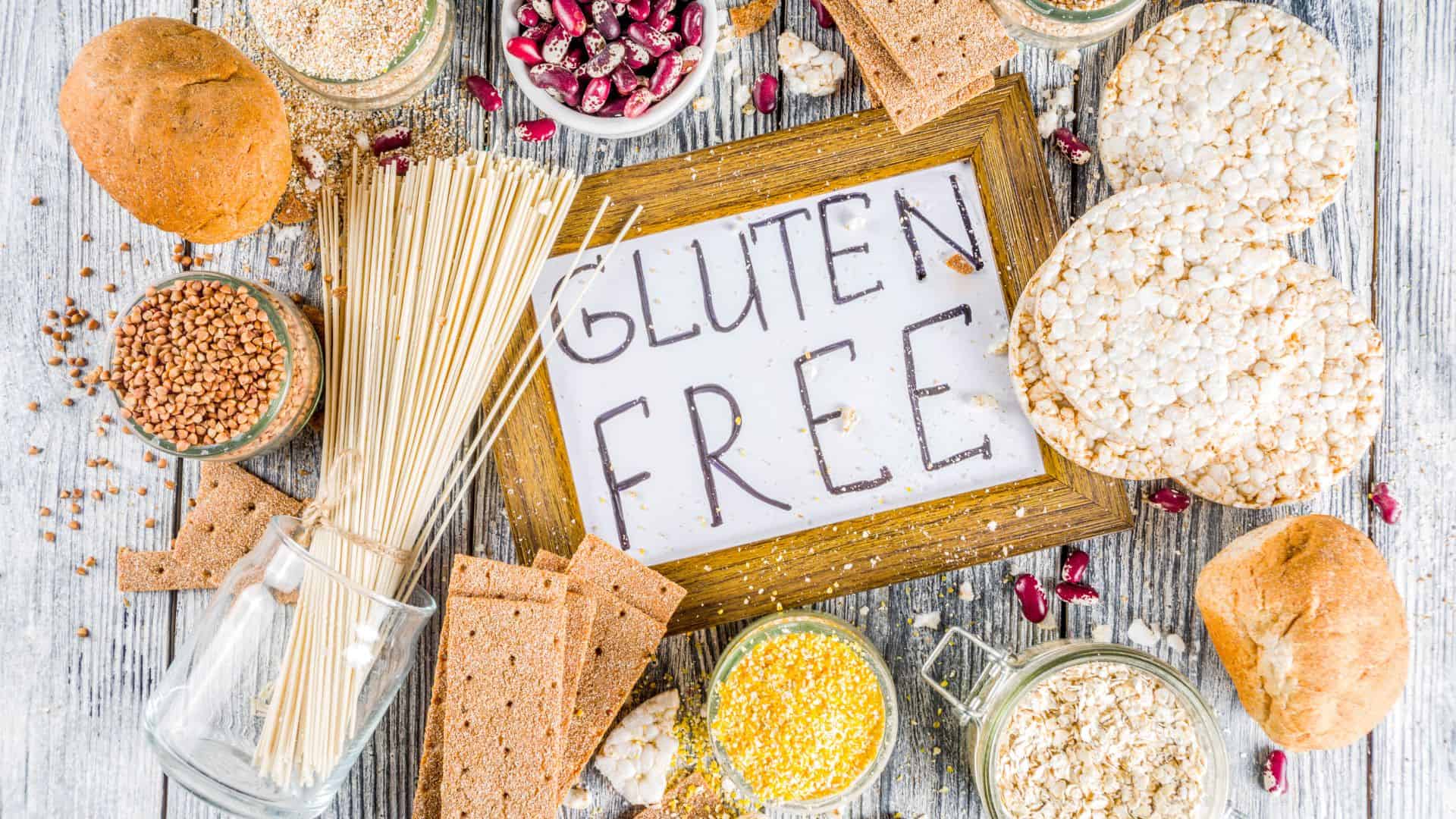
Gluten often gets blamed for a wide range of health issues, which leads many people to cut it out even when they’ve never been diagnosed with a condition that requires it. It’s a naturally occurring protein found in wheat, barley, and rye, and it plays an important role in many whole-grain foods that support long-term health.
What’s not great about gluten is that it can cause serious side effects in specific individuals. Some people react differently to gluten, where the body senses it as a toxin, causing one’s immune cells to overreact and attack it.
Conclusion
Scientific evidence indicates that much of the nutritional information we know is a myth. A healthy lifestyle can be maintained by eating in moderation, balancing our diets by incorporating whole foods, cutting out excess sugar and alcohol, and avoiding additives. Instead of dwelling on food myths that have driven our lifestyles, it is important to consult reputable health authorities and fact-check everything for ourselves. Ultimately, incorporating a variety of nutrient-rich foods and focusing on healthy eating rather than following fad diets is the best way to stay healthy and fit.

Post a Comment for "10 Nutrition Myths to Ditch in 2025"
Post a Comment