
200 Dogs Euthanized at LA Shelter During Outbreak
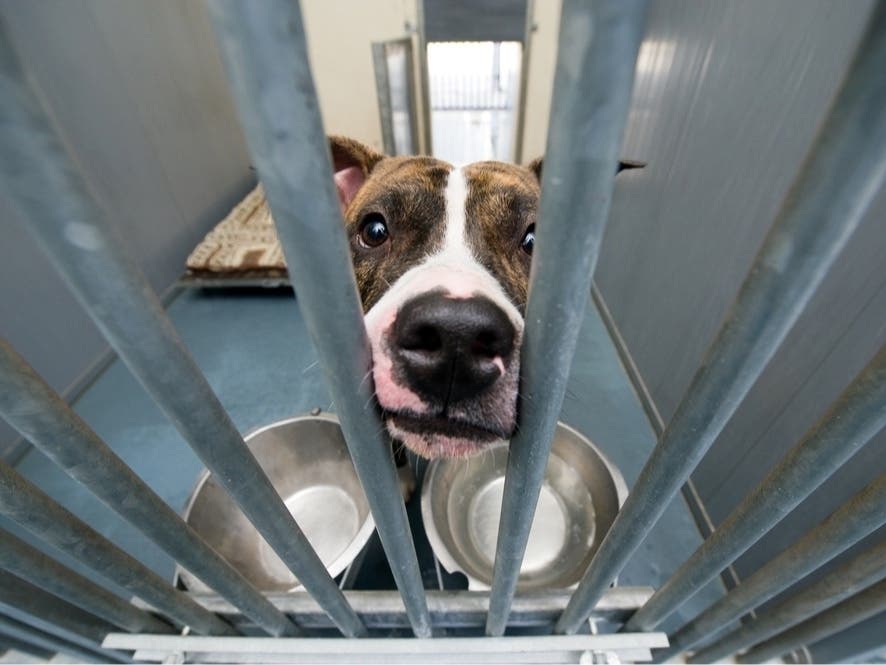
The Outbreak at Lancaster Animal Shelter
After four months and hundreds of dog euthanizations, an outbreak of canine distemper disease at the Lancaster animal shelter was finally brought under control by Los Angeles County officials earlier this month. While operations at the facility are returning to normal, the county’s response — including the euthanization of 193 dogs in October alone — has left some animal welfare advocates questioning if more could have been done to save the animals.
In mid-July, officials at the Lancaster Animal Care Center recorded the first case of a dog with distemper, a serious viral disease that can cause symptoms ranging from mild fever and diarrhea to more severe neurological issues like seizures and paralysis. The disease spreads through direct contact between infected animals and respiratory droplets.
According to the American Kennel Club, the disease can be fatal. Dogs that survive often suffer from permanent nervous system damage. In response to the outbreak, the Lancaster facility implemented testing, vaccinations, suspended surgeries, enhanced cleaning protocols, limited the intake of puppies, and held public vaccination clinics, as explained by Christopher Valles, a spokesman for the county’s Department of Animal Care and Control.
“Once animals started showing symptoms at the Care Center, we did our best to treat the animals that were in our care,” he said. However, in some cases, officials opted for euthanasia.
The Euthanasia Rate and Challenges
In October, 193 dogs showing signs of or testing positive for distemper were euthanized at the shelter, according to Valles. The Lancaster shelter is the busiest of the county’s seven facilities. In the 2024-25 fiscal year, it admitted over 5,000 dogs, with the majority being adopted, returned to their owners, or rescued. However, 997 — or 19.65% — were euthanized, averaging about 83 per month, according to county data.
This fiscal year, which began just days before the outbreak, the shelter’s euthanasia rate has nearly doubled to 37.86%.
Valles acknowledged the difficulty of the situation, stating, “These decisions are never taken lightly; they are made with the utmost concern for the health and safety of both the animals in our care and the broader community.”
Dr. Jane E. Sykes, a professor of veterinary medicine at the University of California Davis, told The News Pulse that distemper is a “devastating” disease for dogs, particularly in shelters. In the U.S., it’s less common among pet dogs.
“This disease is a problem in shelters across the country,” she said. “Distemper is one of the most devastating diseases in terms of the need for euthanasia of dogs in shelters.”
Addressing the Outbreak
County officials traced the start of the outbreak to the community in eastern Lancaster. Part of the response included free vaccination clinics for pet owners and vaccinating or administering boosters for dogs in the county’s care.
“Vaccination is really effective in preventing it,” Sykes noted, adding that the shot is effective in preventing infection “within hours.” She emphasized the importance of pet owners vaccinating their animals, especially given growing evidence of vaccine hesitancy among some humans affecting pet care.
Shelters face significant challenges in responding to distemper, Sykes said. Screening involves PCR tests, which can be expensive and take time to produce results. Additionally, puppies’ immune responses mean only dogs above a certain age can receive the vaccine. Effective quarantine and isolation can also be difficult, especially in overcrowded facilities.
Overcrowding is a persistent issue at LA County’s facilities. In May, officials described the problem as “critical,” noting that healthy, adoptable pets were at risk of euthanasia due to lack of space.
Legislative Efforts and Community Response
In 2024, the county Board of Supervisors passed legislation to address overcrowding, citing problems such as a shortage of veterinary professionals, increased pet surrenders post-pandemic, and a lack of cities with spay-and-neuter laws, mandatory microchipping policies, and free vaccine clinics.
Cities enter into contracts with the county to provide shelter services through the county’s Animal Care Centers. As of June, 28 of the 45 contract cities in the county had ordinances mandating spaying/neutering and microchipping in unincorporated areas.
In a letter obtained by The News Pulse, the department’s director urged the Lancaster city manager to pass such ordinances. A Lancaster city spokesperson did not respond to requests for comment.
Heartbreaking Decisions
The news of nearly 200 euthanizations in October at the Lancaster shelter raised alarms among local animal advocates on social media. Joey Tuccio, a core member of the Starts With One Today rescue organization, criticized the county’s response and called for the Board of Supervisors to investigate.
“There’s such a complacency and a quietness about what goes on in the shelter and in the streets – 'The dogs can’t talk, so let's sweep it under the rug,'” he said.
Tuccio suggested that Animal Care officials should have reached out to rescue organizations to help quarantine dogs. “Dogs would still be alive today if they weren’t lazy about it,” he said.
Animal Care officials said placing potentially sick dogs in foster care would be irresponsible, as it could lead to the spread of the disease to more dogs in the county.
Supervisor Kathryn Barger praised the response, calling the euthanization decisions “heartbreaking” and guided by experts at UC Davis and the ASPCA. “Their response included enhanced testing, strict quarantine measures, vaccine boosters, and — when necessary — humane euthanasia to prevent further suffering and spread of the distemper outbreak,” she said.
Barger urged pet owners to ensure their dogs are vaccinated and to use low-cost clinics and wellness events offered by the county.

Post a Comment for "200 Dogs Euthanized at LA Shelter During Outbreak"
Post a Comment