
Gerrymandering Spreads Across U.S. States After Trump's Push for New Districts
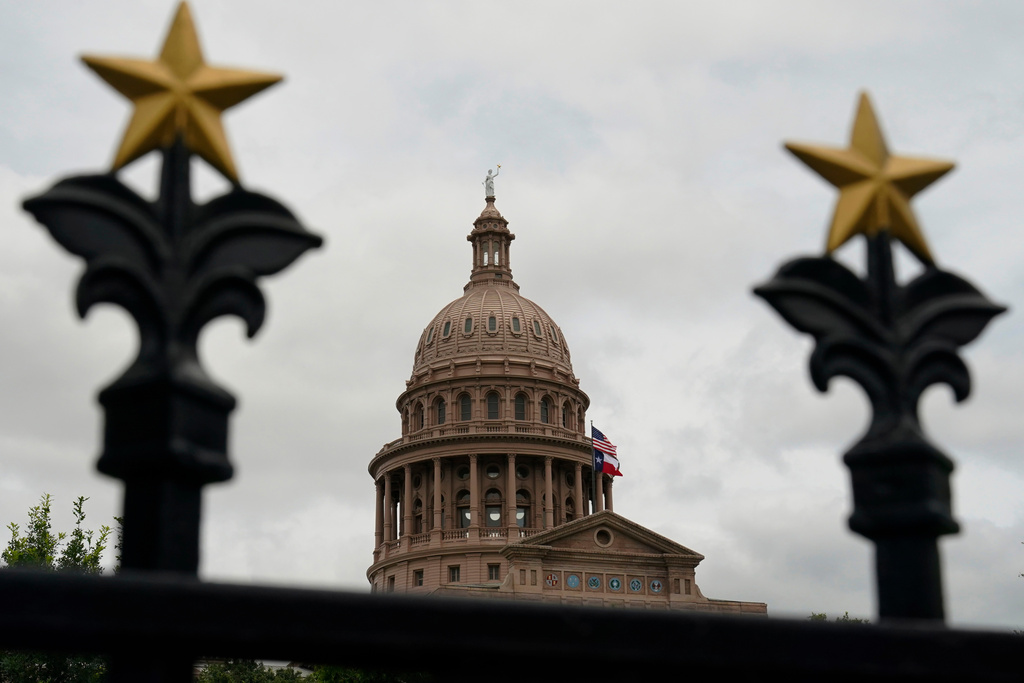
The Push for Redistricting and Its Political Implications
A significant movement to reshape congressional voting districts is gaining momentum across the United States, driven by political strategies aimed at securing advantages in upcoming elections. This effort has become a focal point as both major parties seek to influence the balance of power in the House of Representatives.
President Donald Trump's involvement has sparked renewed interest in redistricting, with Republican officials attempting to counter historical trends where the president’s party often loses seats during midterm elections. Their goal is to redraw House districts in a way that maximizes their chances of winning more seats. In response, Democrats have also engaged in their own gerrymandering efforts to maintain or increase their representation.
Key States and Their Redistricting Status
The outcome of this redistricting process could be pivotal, especially since Democrats need just three additional seats to take control of the House. This makes every single seat crucial in determining the direction of national policy and legislative priorities.
Several states have already adopted or are considering new district maps, each with its own set of challenges and deadlines for candidates to file for office.
Texas
Under the current map, there are 13 Democratic and 25 Republican representatives. Governor Greg Abbott signed a revised map on August 29 that could potentially give Republicans five more seats. However, the U.S. Supreme Court is reviewing whether the new districts can be used, following a federal court's decision to block the map due to concerns about racial gerrymandering. Candidates must file by December 8.
California
California currently has 43 Democratic and nine Republican representatives. Voters approved a new map drawn by the Democratic-led Legislature, which could help Democrats gain five more seats. The U.S. Department of Justice has joined a Republican lawsuit, claiming that race was improperly used to favor Hispanic voters. Candidate filing ends on March 6.
Missouri
With two Democratic and six Republican representatives, Missouri's new map, signed by Governor Mike Kehoe on September 28, could add one more Republican seat. Opponents have until December 11 to gather petition signatures to force a referendum on the new map, while lawsuits challenge its legality. The candidate deadline is March 31.
North Carolina
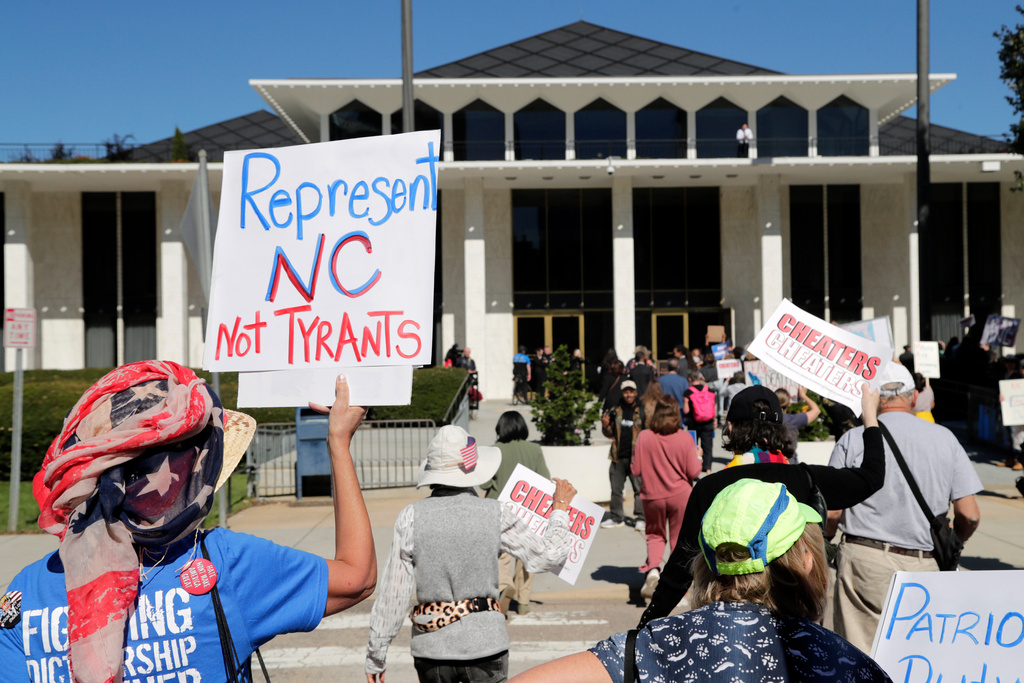
North Carolina's current map includes four Democratic and ten Republican representatives. The Republican-led General Assembly approved new districts on October 22, which could add one more Republican seat. A federal court denied a request to block the new districts from being used in the 2026 elections. Candidates must file by December 19.
Ohio
Ohio currently has five Democratic and ten Republican representatives. A bipartisan panel approved new districts that improve the GOP's chances of winning two more seats. There are no immediate challenges, as the state constitution required new districts after the previous map was approved without Democratic support. The candidate deadline is February 4.
Utah
Utah has no Democratic representatives and four Republican ones. A judge imposed revised districts that could help Democrats win a seat. Republicans are challenging the judicial map selection, which came after the court ruled that lawmakers had bypassed anti-gerrymandering standards. Candidates must file by January 8.
Indiana
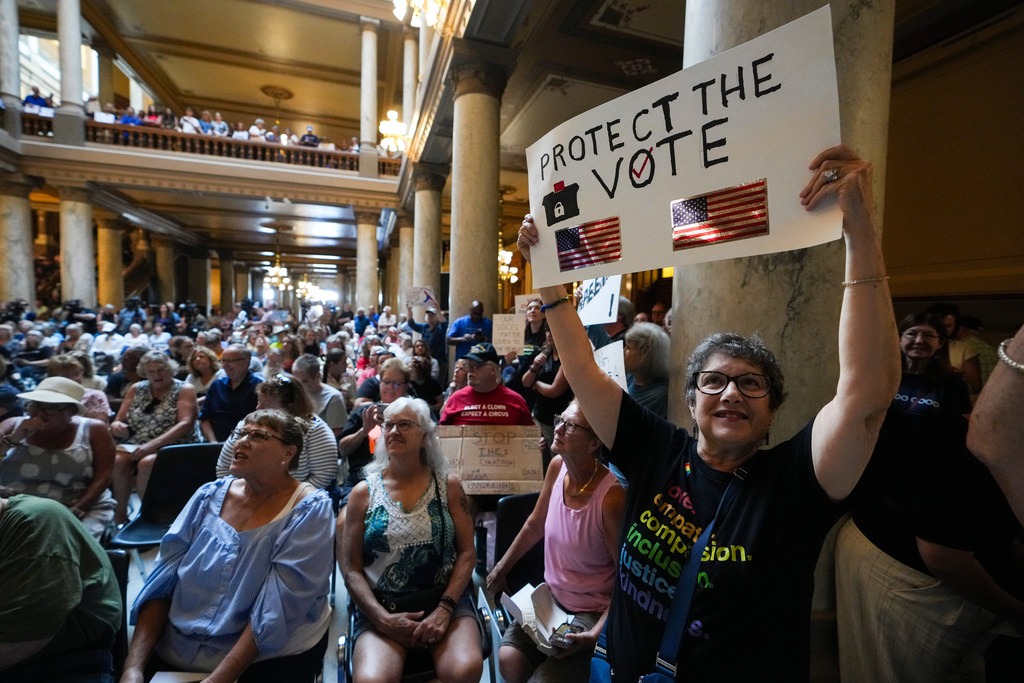
Indiana currently has two Democratic and seven Republican representatives. The General Assembly is considering revised districts in December that could add two more Republican seats. Some Republican senators remain hesitant to support the new map. The candidate deadline is February 6.
Florida
Florida's current map includes eight Democratic and 20 Republican representatives. No revised districts have been proposed yet, but a special committee will meet on December 4 to discuss potential changes. The state constitution prohibits drawing districts to favor or disfavor any political party. The candidate deadline is April 24.
Virginia
Virginia currently has six Democratic and five Republican representatives. The Democratic-led General Assembly endorsed a constitutional amendment allowing mid-decade redistricting. Another legislative vote is needed before the regular session begins in January to refer the amendment to a statewide ballot. The candidate deadline is April 2.
Louisiana
Louisiana has two Democratic and four Republican representatives. No revised districts have been proposed yet, but Governor Jeff Landry signed legislation to delay the primary election, giving lawmakers more time to redraw districts if necessary. The Supreme Court is expected to make a decision in June. The candidate deadline is February 13.
Maryland
Maryland has seven Democratic and one Republican representative. A special commission has been created to address redistricting, but the Senate president has expressed concerns about the impact on Black residents. The candidate deadline is February 24.
Illinois
Illinois currently has 14 Democratic and three Republican representatives. The Democratic Congressional Campaign Committee proposed a map that could help Democrats gain an additional seat. However, the General Assembly has not taken up the issue, citing concerns about representation for Black residents. The candidate deadline has passed.
Kansas
Kansas has one Democratic and three Republican representatives. No revised districts have been proposed yet, but the Republican-led Legislature may consider redistricting during its regular session starting January 12. A petition drive to call a special session failed in November due to lack of support. The candidate deadline is June 1.
New York
New York has 19 Democratic and seven Republican representatives. Democratic lawmakers have proposed a constitutional amendment to allow mid-decade redistricting. An amendment would require approval in two separate sessions before it can be placed on the ballot. The candidate deadline is April 2.
Colorado
Colorado has four Democratic and four Republican representatives. Democratic Attorney General Phil Weiser has supported a constitutional amendment to allow mid-decade redistricting. The amendment would need to go on a statewide ballot before new districts can be implemented. The candidate deadline is March 17.
Nebraska
Nebraska has no Democratic representatives and three Republican ones. Governor Jim Pillen has expressed support for mid-decade redistricting to strengthen a competitive district. However, some Republican lawmakers are hesitant to pursue the initiative. The candidate deadline is March 1.
Wisconsin
Wisconsin has two Democratic and six Republican representatives. The state Supreme Court ordered judicial panels to hear lawsuits claiming that current districts unconstitutionally favor Republicans. It remains unclear if these cases can be resolved in time for the 2026 elections. The candidate deadline is June 1.

Post a Comment for "Gerrymandering Spreads Across U.S. States After Trump's Push for New Districts"
Post a Comment