
Too Many NJ Watchdogs? What You Need to Know
The Controversial Bill to Merge Government Watchdogs in New Jersey
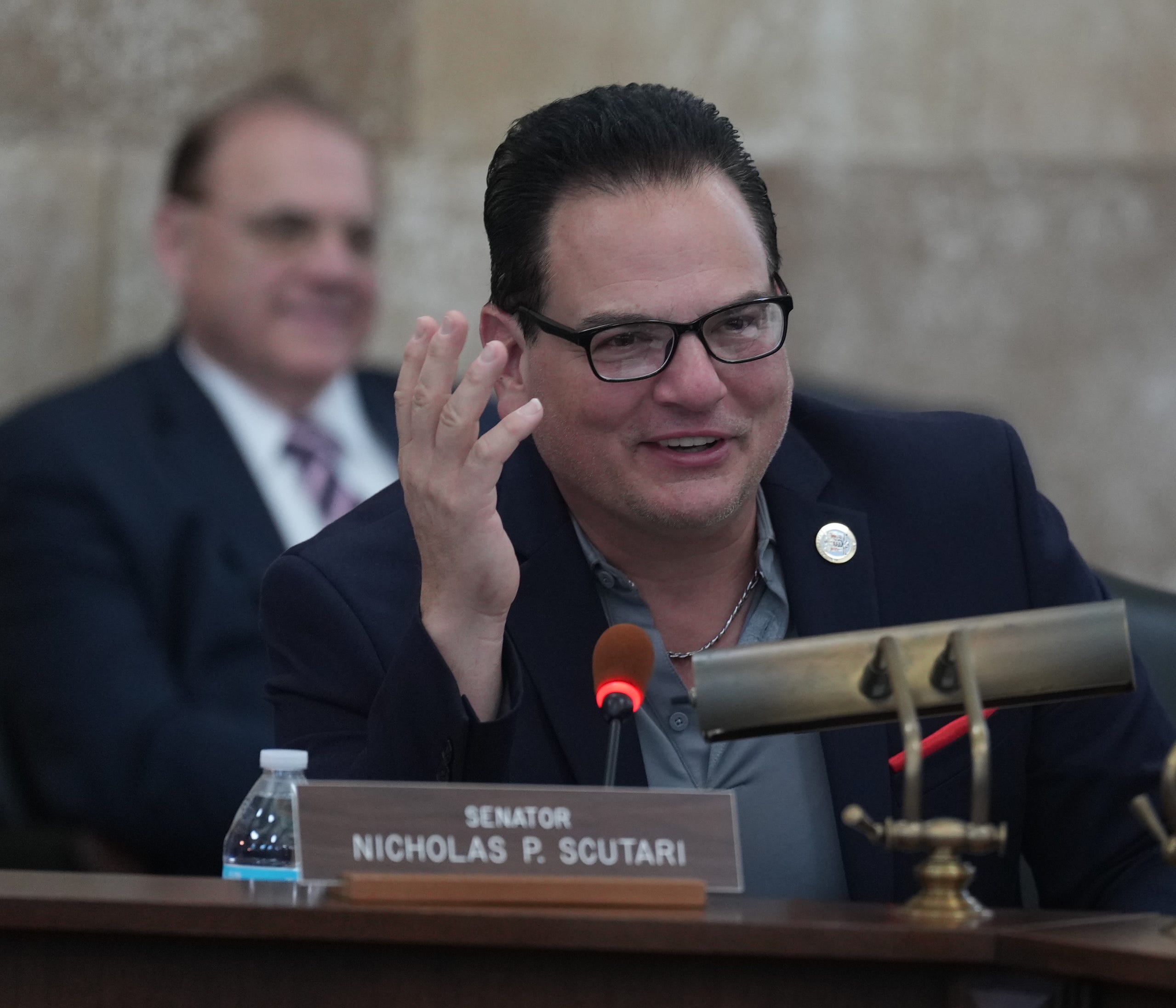
TRENTON – Are there too many government watchdogs in New Jersey? This question has sparked a heated debate following the introduction of a bill that would merge the investigatory missions of two key agencies: the Office of the State Comptroller and the State Commission of Investigation (SCI). Senate President Nick Scutari, D-Union, introduced the legislation on Nov. 25, aiming to streamline oversight by combining these two independent entities into one-and-a-half.
The bill has drawn strong opposition from the current comptroller, open government advocates, and even some public officials. U.S. Sen. Andy Kim, D-New Jersey, criticized the proposal, calling it a step backward for accountability and oversight. Attorney General Matthew J. Platkin also voiced concerns, suggesting the bill could give powerful individuals broad powers to intimidate law enforcement and even allow them to tap phones.
What is the New Jersey Comptroller?
The state comptroller is appointed by the governor for a six-year term and is responsible for auditing government programs and officials, particularly focusing on contracts and procurements. About half of the comptroller’s staff works on investigating Medicaid fraud, ensuring that funds are used appropriately.
Kevin Walsh, the current Acting State Comptroller, has been one of the most active watchdogs in recent years. Since taking office in 2020, his office has uncovered several instances of misuse of public funds, including:
- A "covert takeover" of public health insurance funds by a South Jersey firm linked to political power broker George Norcross.
- Irvington officials spending over $600,000 in opioid settlement funds on concerts instead of prevention and treatment initiatives.
- Union County commissioners paying over $400,000 in stipends and tuition reimbursement to top officials without proper procedures.
What is the State Commission of Investigation?
The SCI was established in the 1960s after reports revealed mob infiltration in New Jersey government. Its primary role is to investigate organized crime, as well as government waste, fraud, and abuse. The commission is led by four commissioners, with two appointed by the governor and one each by the Senate President and Assembly Speaker. No more than two can come from the same political party to prevent bias.
Bruce Keller is the current executive director, having joined the agency this summer after the resignation of former CEO Tiffany Williams Brewer. Her resignation followed a report revealing she had been living in Maryland, voting in New Jersey, and working as a law professor at Howard University. She denied any wrongdoing and attributed her departure to a toxic workplace.
What Does the Bill Do?
The proposed bill would remove the comptroller’s investigatory powers while giving the SCI oversight of prosecutors and law enforcement. If passed, the comptroller’s office would retain subpoena power only in Medicaid cases. The SCI would gain the ability to conduct electronic surveillance, such as wiretapping. The bill also removes term limits for SCI commissioners and increases their annual salary from $35,000 to $75,000. Additionally, it allows the Senate President and Assembly Speaker to jointly name the chair of the commission, a power currently held by the governor.
Why Is This Bill Being Proposed?
Senate President Scutari suggested in January that New Jersey might have too many watchdog agencies, citing the Election Law Enforcement Commission, the Office of Public Integrity and Accountability, and others. He argued that consolidating these efforts could eliminate inefficiencies caused by overlapping investigative missions.
However, critics argue that the bill is an attempt to weaken the comptroller’s office, which has exposed corruption and mismanagement. Acting Comptroller Walsh claimed that powerful legislators are targeting his office due to its findings, including a report on Union County officials.
What Are the Reactions?
Open government advocates, like Dena Mottola Jaborska of New Jersey Citizen Action, see the bill as a way to silence the comptroller’s office. They point out that the bill was introduced just before Thanksgiving, when public attention is likely to be diverted.
While the SCI hasn’t publicly commented on the bill, Bruce Keller expressed confidence in the need for multiple watchdogs. “There aren’t enough,” he said.
Will the Bill Pass?
It remains unclear whether the bill will pass. Senate Democrats have been quiet on the issue, and some Republicans, like Sen. Declan O’Scanlon, have reserved judgment. Meanwhile, Rep. Mikie Sherrill has avoided directly commenting on the bill, stating she opposes efforts that weaken oversight but refuses to take a stance on pending legislation.
What’s Next?
The bill is scheduled for a vote by the Senate State Government, Wagering, Tourism & Historic Preservation committee on Dec. 1. It must also be introduced in the Assembly, though nothing has been filed yet. Advocates warn that the fast-track approach could undermine public accountability.

Post a Comment for "Too Many NJ Watchdogs? What You Need to Know"
Post a Comment