
Top 3 Overseas Destinations with Easy Digital Nomad Visas
The Rise of Digital Nomad Visas
The concept of digital nomad visas has gained significant traction in recent years, especially following the global pandemic. These visas allow remote workers to live and work in a foreign country for an extended period, provided they meet certain criteria. Countries around the world have introduced their own versions of these visas, creating a competitive landscape for digital nomads.
In 2020, Barbados launched its Welcome Stamp, a visa that allows remote workers to stay in the country for one year if they earn at least $50,000 annually from foreign sources. Shortly after, Estonia introduced its digital nomad visa, which initially required a monthly income of 3,504 euros. This figure has since increased to 4,500 euros (about $5,260). The trend continued as more countries followed suit, leading to over 70 digital nomad visa options available today.
Slovenia recently announced its digital nomad visa, set to launch this November, further expanding the opportunities for remote workers. These visas offer a unique opportunity to live and work in different parts of the world, but they come with specific requirements, particularly regarding income levels.
Income Requirements and Country Variations
The income requirements for digital nomad visas vary significantly from country to country. Some nations have high thresholds, while others are more lenient. For instance, Iceland requires a minimum monthly income of 7,075 euros ($8,270), which translates to approximately 84,900 euros or $99,000 per year. In contrast, the Cayman Islands' Global Citizen Concierge Program (GCCP) demands a minimum annual income of $100,000 for individuals, $150,000 for couples, and $180,000 for families.
On the other end of the spectrum, countries like Argentina, Barbados, and Uruguay do not set a minimum income requirement. Instead, they ask applicants to demonstrate that they can support themselves during their stay. This flexibility makes these destinations appealing to a broader range of digital nomads.
For those who meet the criteria, the choice of destination is vast. With so many countries offering digital nomad visas, it's essential to consider factors such as healthcare, language, cost of living, and quality of life.
Top Digital Nomad Destinations
If you're a senior remote worker looking for a new place to call home, there are several destinations worth considering. Each offers a combination of excellent healthcare, English-speaking locals, affordable rentals, warm weather, low crime rates, and a mature expat community.
Malta
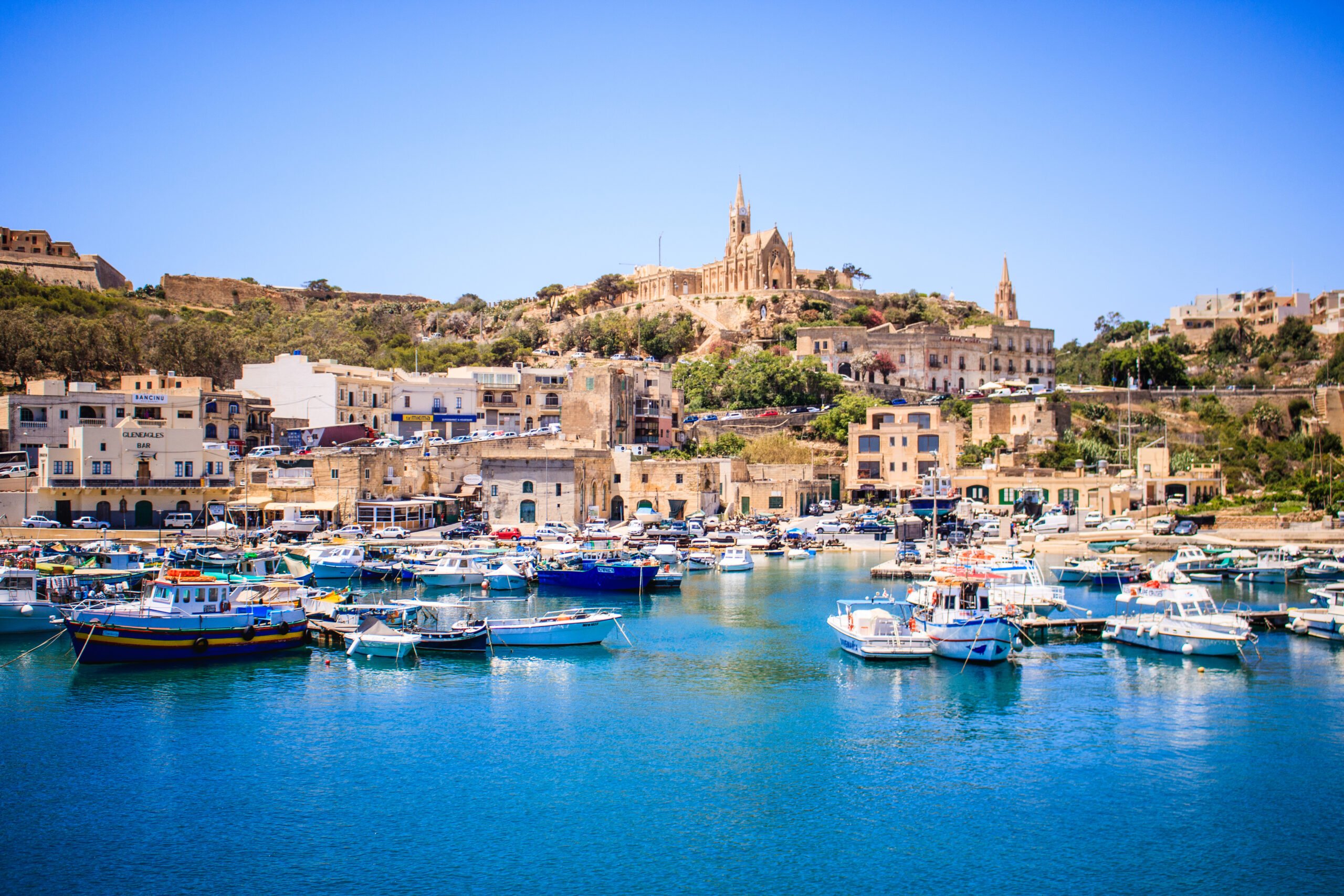
Malta, a small archipelago in the southern Mediterranean, may be compact in size, but it offers a wealth of attractions. The country boasts a beautiful natural landscape, a warm climate, large expat communities, and friendly locals. English is widely spoken, making it an ideal location for digital nomads.
Malta provides the Maltese Nomad Residence Permit, valid for one year. To qualify, applicants must have a work contract from a foreign employer, be a partner or shareholder in a foreign company, or offer freelance services to international clients. Additional requirements include proof of property rental or purchase, a certificate of good health, and a clean criminal record. The application fee is 300 euros ($350).
The income requirement for the permit is a minimum gross annual income of 42,000 euros ($49,000) or a monthly income of at least 3,500 euros ($4,000).
Panama
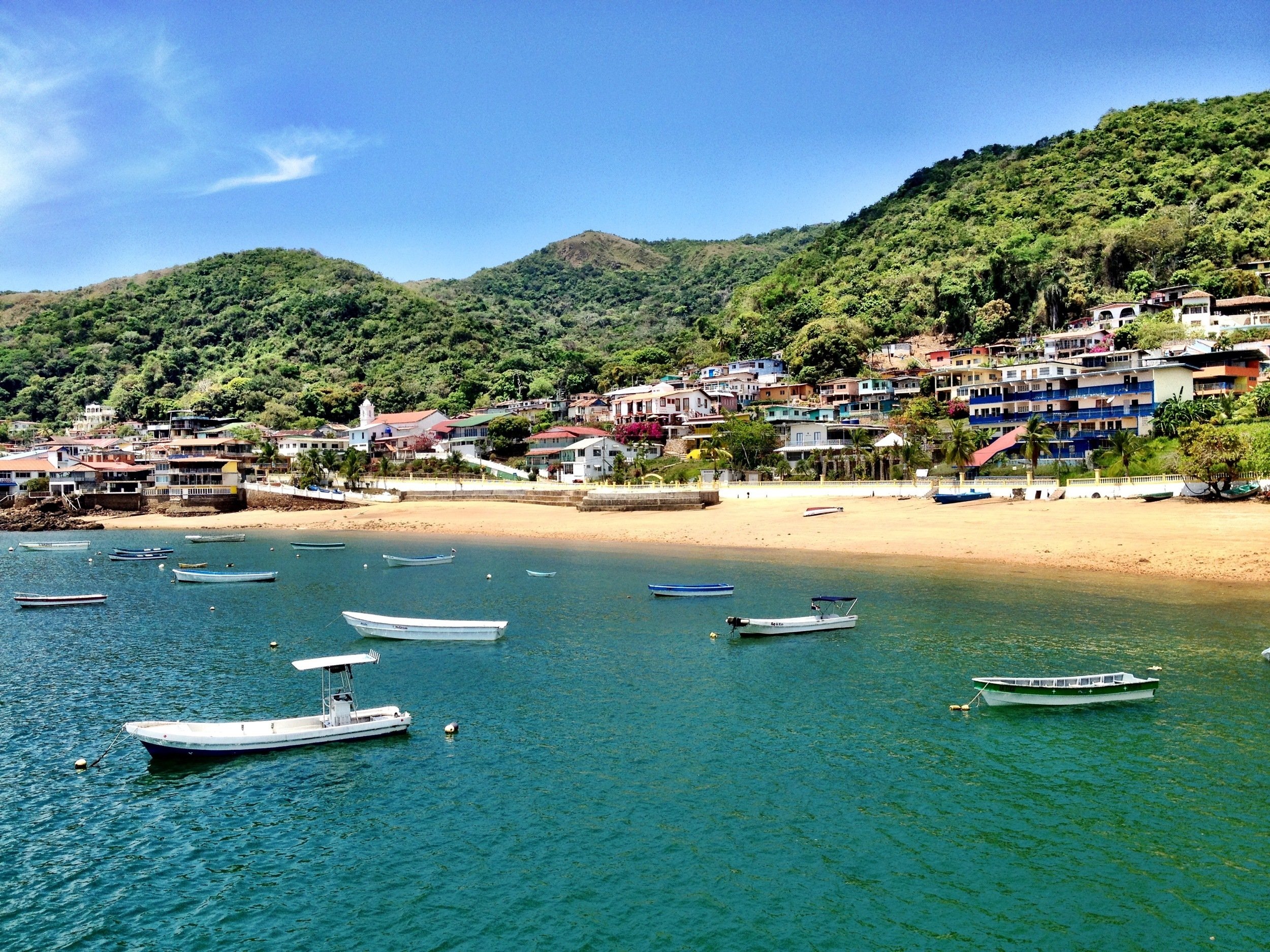
Panama is known for its beautiful islands, palm-fringed beaches, mountain retreats, and colonial towns. The country offers a welcoming environment, a tropical climate, and a strong healthcare system. It's also strategically located for travel to the United States and Canada.
Panama's Remote Worker Visa requires an employment letter and a letter of responsibility from a non-Panamanian company. Applicants must also provide a clean criminal record, a certificate of good health, and proof of at least $36,000 in annual income. The visa is valid for nine months and can be renewed once for an additional nine months. Importantly, digital nomads are not taxed on income earned outside of Panama.
The application fee is $250 for the National Treasury plus $50 for the visa card.
Malaysia
Malaysia is rich in history and natural beauty, offering a high standard of living at a low cost. The country has a well-developed healthcare system, a low crime rate, and welcoming visa programs. English is widely spoken, particularly in expat hubs like Kuala Lumpur, Penang, and Johor Bahru.
Malaysia's DE Rantau Nomad Pass, also known as the Professional Visit Pass, allows digital nomads to stay for up to 12 months, with the possibility of renewal for another year. Tech professionals need a minimum annual income of $24,000, while non-tech professionals require $60,000. Additional requirements include a clean criminal record, a valid passport, and health or travel insurance for dependents.
The online application process costs around $220 for the main applicant, with $110 for each dependent.

Post a Comment for "Top 3 Overseas Destinations with Easy Digital Nomad Visas"
Post a Comment