
Trump's Pledge to Free Jailed Honduran Ex-President Sparks Outrage
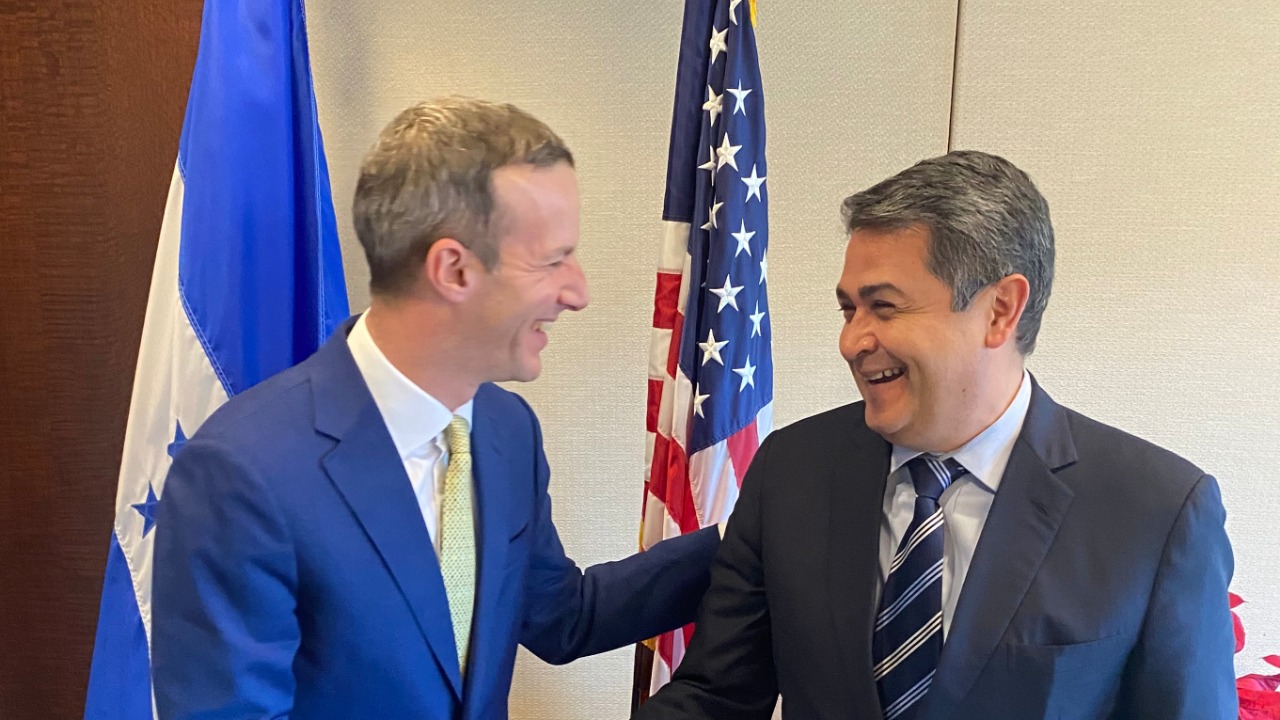
The Surprise Pledge That Set Off a Political Storm
President Donald Trump's decision to publicly commit to a "full and complete" pardon for former Honduran president Juan Orlando Hernández has sparked a significant political reaction in both the United States and Honduras. This pledge, made on November 27, 2025, has reframed the debate over U.S. anti-narcotics enforcement. Trump stated that he intended to clear the conviction of Hernández, a move that immediately raised questions about how far Trump is willing to go to reward allies and reshape regional alliances.
This intervention came as a shock, especially since Hernández is serving a 45-year sentence in a U.S. federal facility after being found guilty in a high-profile drug trafficking case. The abruptness of the pledge, combined with the gravity of the underlying sentence, set the stage for the backlash that followed. It also marked an unusual instance where a U.S. president intervened on behalf of a foreign ex-head of state convicted in American courts.
Who Juan Orlando Hernández Is and Why His Case Matters
To understand the significance of Trump's vow, it's essential to recognize who Hernández is and how central his case has been to U.S. drug policy in Central America. As a former Honduran president, Hernández built his political career as a tough-on-crime conservative. However, U.S. prosecutors later portrayed him as a key facilitator of cocaine shipments through Honduran territory, creating a contradiction that made his conviction a symbolic victory for anti-corruption efforts.
The severity of Hernández's punishment has further shaped perceptions of the case. His 45-year sentence reflects the scale of the trafficking network described in court. By stepping in at this stage, Trump is not just questioning a verdict; he is undercutting a flagship prosecution that U.S. agents had held up as proof that even presidents could be held to account.
How Trump Framed the Pardon and His Broader Honduran Strategy
Trump has not treated the Hernández pardon as an isolated act of mercy. Instead, he has woven it into a broader narrative about realigning U.S. relationships in Central America. In his public comments, Trump has cast the move as correcting an injustice against an ally who, in his telling, was targeted for political reasons rather than genuine criminal conduct.
At the same time, Trump has linked the pardon to his preferences in Honduran domestic politics. He has explicitly endorsed presidential candidate Nasry Asfur, signaling that his intervention in Hernández's case is part of a wider attempt to shape who governs in Tegucigalpa. By pairing clemency for a jailed ex-president with explicit endorsement of a current candidate, Trump is blurring the line between U.S. criminal justice decisions and foreign electoral politics.
Backlash from U.S. Lawmakers and Law Enforcement Veterans
The reaction inside the United States has been swift and unusually pointed, especially from those who worked on or supported the Hernández investigation. Critics argue that pardoning a foreign leader convicted of funneling cocaine into the United States would send a demoralizing message to agents who risked their lives building the case and to communities ravaged by the drug trade.
On Capitol Hill, the most forceful institutional response so far has come from Congresswoman Norma Torres, a Democrat who has long focused on Central American corruption and migration. She sent a letter to President Trump warning that freeing the former leader would undermine U.S. cooperation in combating transnational crime and signal tolerance for the very networks Washington has spent years trying to dismantle.
Honduran Public Opinion and a "Divisive" Figure
Inside Honduras, Hernández has long been a polarizing presence, and Trump's intervention has only sharpened those divides. For some Hondurans, the former president remains a symbol of a political class that enriched itself while ordinary citizens endured violence and economic stagnation, while for others he is a leader who kept order and aligned closely with Washington.
The fact that a U.S. president is now promising to free him has turned private debates into a national referendum on justice and sovereignty. Many citizens saw Hernández's extradition and conviction as proof that, when domestic systems fail, foreign courts can still hold powerful figures accountable. Trump's pledge threatens to upend that narrative by suggesting that even a U.S. judgment can be reversed by political will.
Election Stakes in Tegucigalpa and Washington
Trump's promise is landing at a delicate moment for Honduran democracy, with a presidential contest underway and candidates trying to define their distance from Hernández's legacy. By signaling support for Nasry Asfur while promising clemency for Hernández, Trump is effectively turning the Honduran ballot into a referendum on alignment with his own regional agenda.
In the United States, the political calculus is different but no less intense. Trump's allies see the move as a way to reinforce his image as a leader unafraid to challenge what they describe as a weaponized justice system, even when that system targets foreign leaders. His critics argue that the pledge will alienate voters who have lost family members to drug overdoses and who view traffickers as among the least deserving of mercy.
Regional Security and the Message to Cartels
Beyond the immediate politics, Trump's vow raises hard questions about how the United States signals its commitment to fighting transnational crime. Hernández's conviction was touted by U.S. agencies as evidence that even presidents who collude with traffickers can be brought to justice, a message meant to deter other officials from cutting deals with cartels. When Trump now moves to erase that conviction, he risks telling corrupt actors that political connections can still override courtroom verdicts.
For law enforcement officials on the ground, that is not an abstract concern but a potential blow to ongoing investigations. Congresswoman Norma's warning that Hernández Must Not Be Pardoned because it would undermine cooperation in combating transnational crime reflects a broader fear that partners will hesitate to share intelligence or pursue risky cases if they believe Washington might later undo the results.
Domestic U.S. Debate Over Clemency Power
Trump's promise to free Hernández is also reigniting a long-running debate over how presidents use their clemency powers, especially when the beneficiaries are politically connected. Critics have already drawn parallels between this pledge and Trump's past pardons of allies convicted in U.S. courts, arguing that the Hernández case extends that pattern into the realm of foreign policy.
Supporters of Trump counter that the Constitution grants presidents wide latitude to correct what they view as unjust or politically tainted prosecutions. Yet even some conservatives worry that using clemency in such a high-profile international case could invite future presidents to trade pardons for geopolitical favors, blurring the line between justice and diplomacy.
What Comes Next for Hernández, Honduras and Trump
For now, Hernández remains in U.S. custody, his legal status unchanged even as political debate swirls around him. The practical steps required to implement a presidential pardon, from drafting the formal documents to coordinating with prison authorities, will unfold largely out of public view. Yet the political consequences are already visible, from the streets of Tegucigalpa to the halls of Congress.
For Trump, the political bet is that his base will applaud the move as another example of him defying what he portrays as a corrupt establishment, both at home and abroad. Whether that calculation pays off will depend in part on how voters process the idea of freeing a man convicted of helping move cocaine into the United States, and on whether new revelations emerge about Hernández's conduct while in office.
More From The News Pulse
Dave Ramsey warns to stop 401(k) contributions
11 night jobs you can do from home (not exciting but steady)
Small U.S. cities ready to boom next
19 things boomers should never sell no matter what

Post a Comment for "Trump's Pledge to Free Jailed Honduran Ex-President Sparks Outrage"
Post a Comment