
Ukraine War: Witkoff-Putin Talks End as Zelensky Unveils New Deal
High-Level Talks Between Trump Officials and Putin
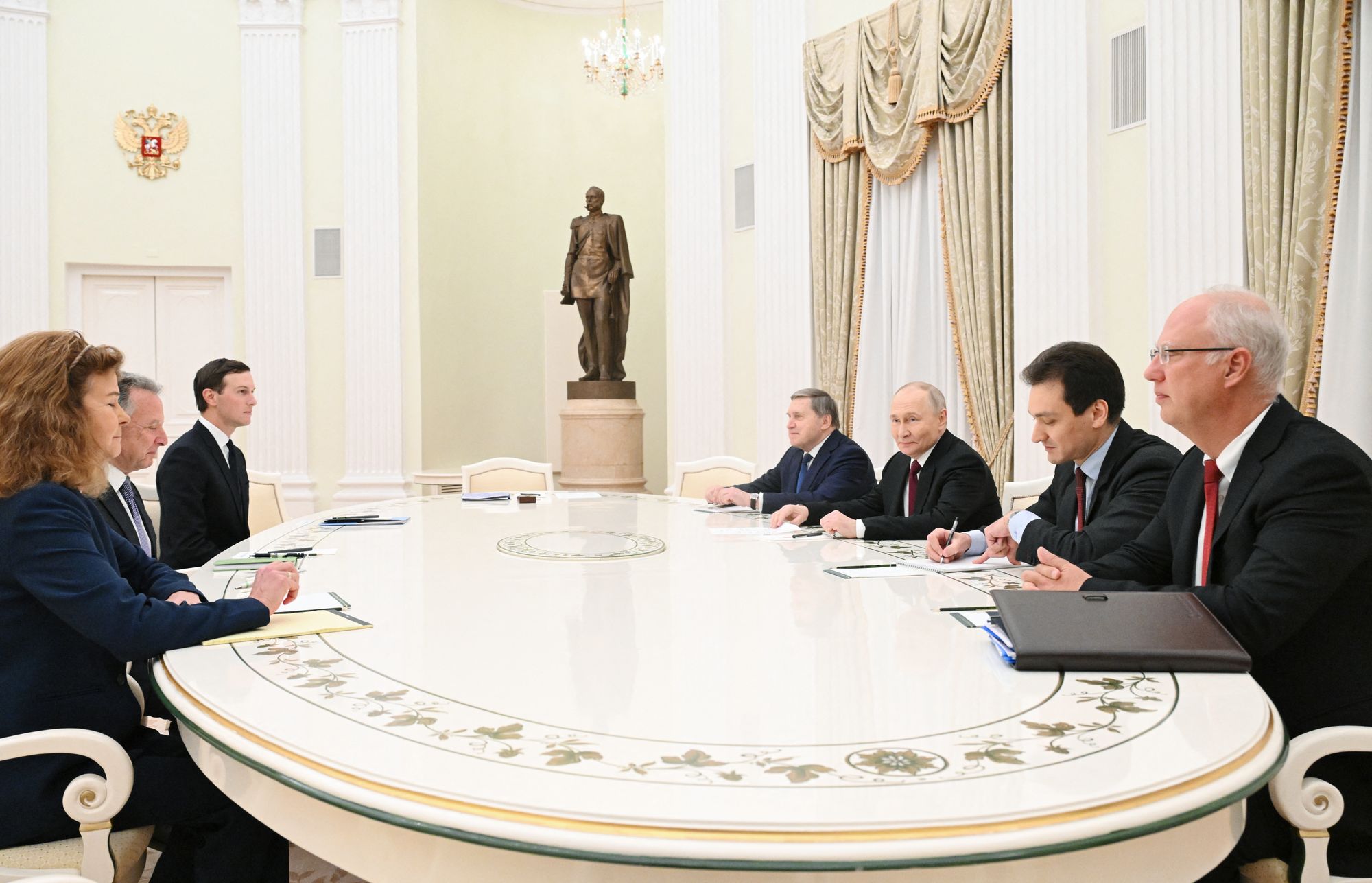
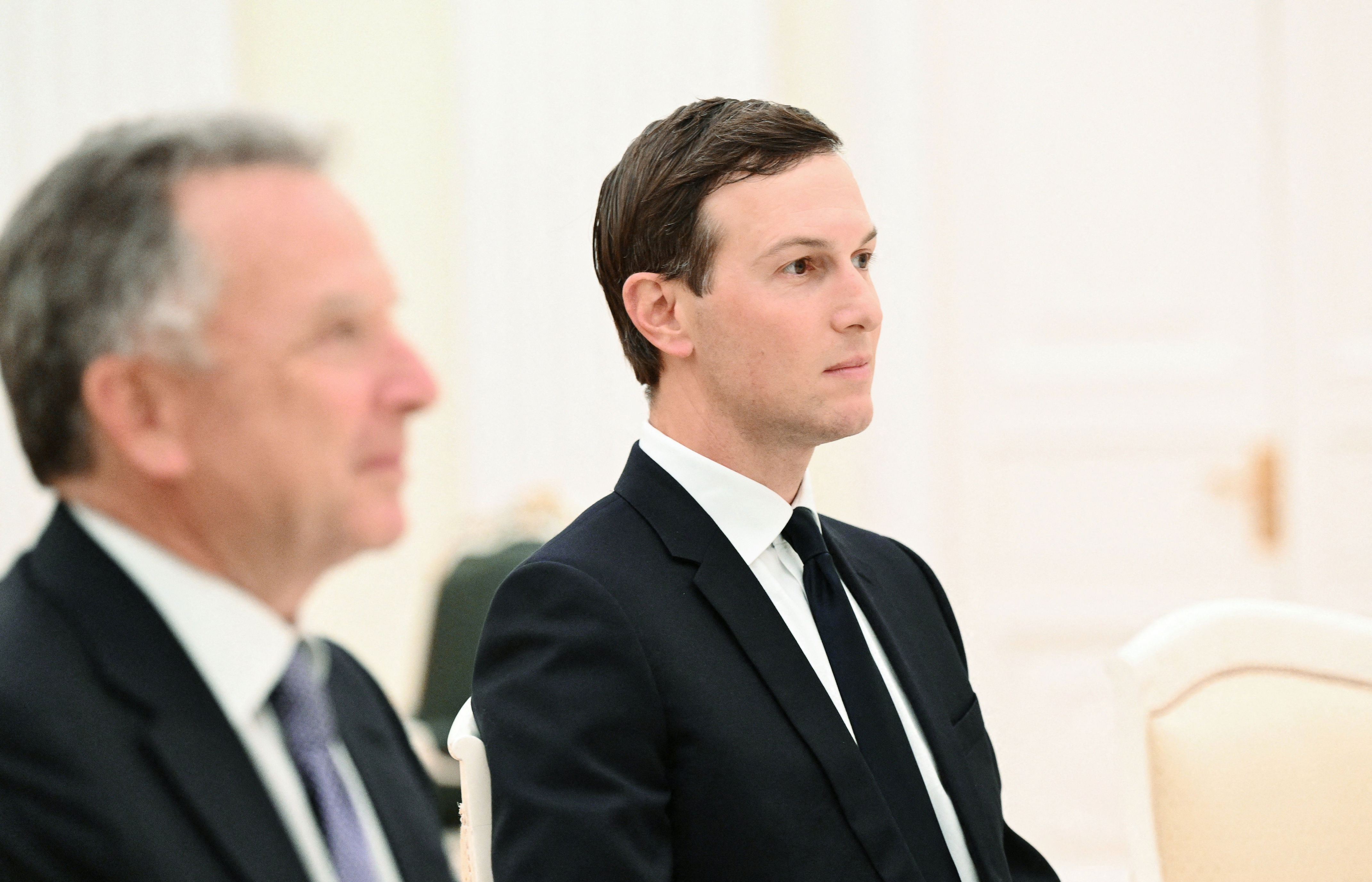
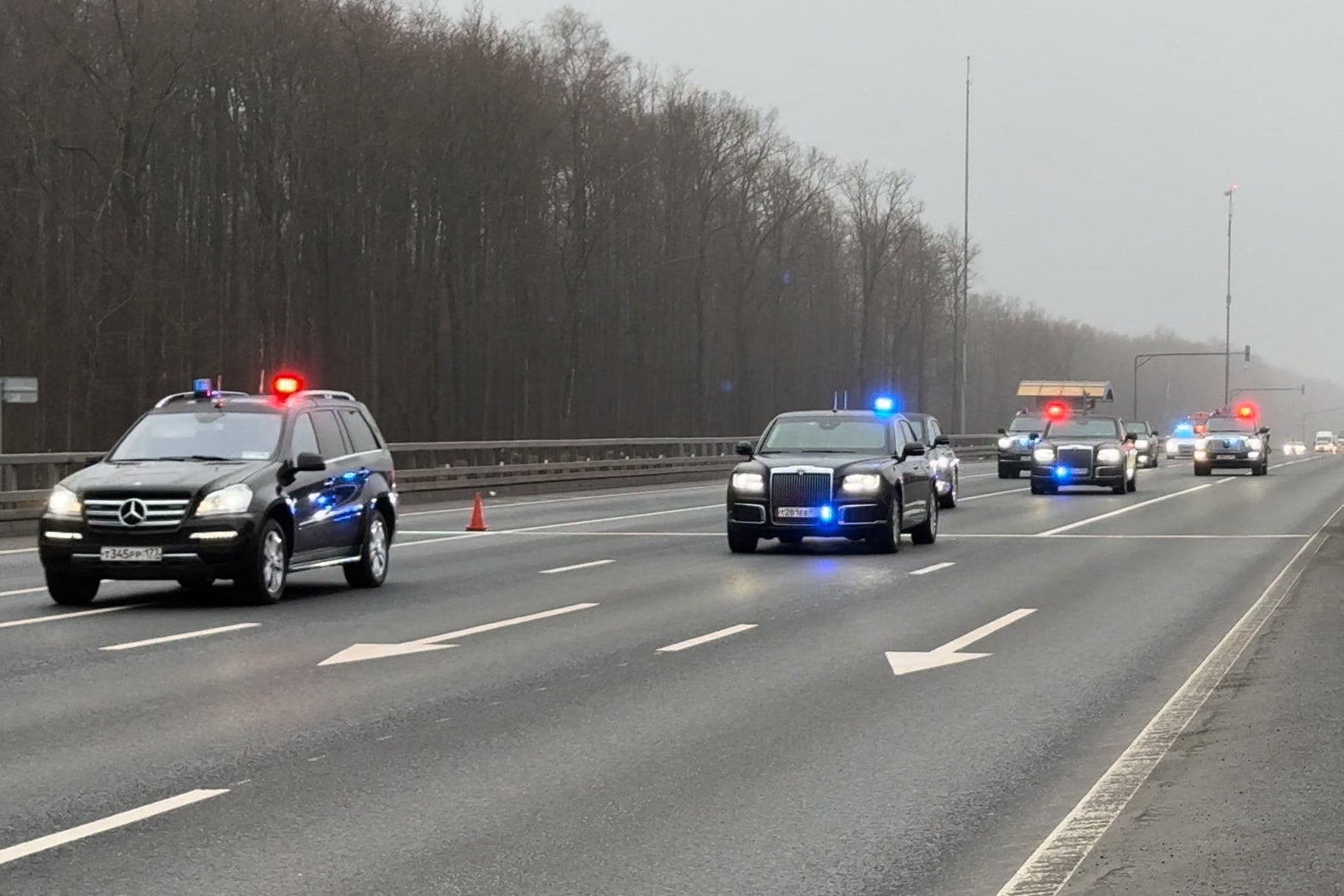
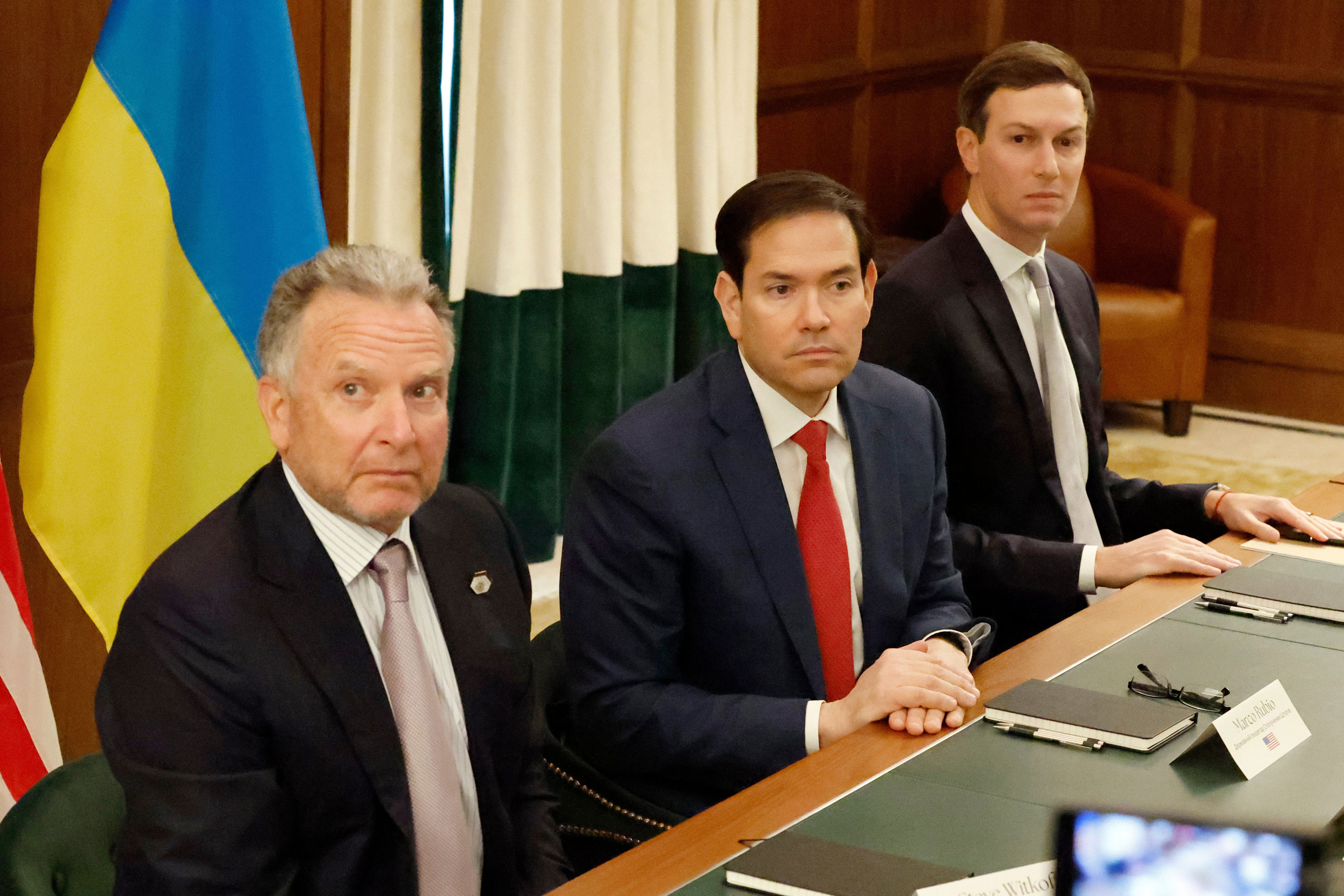
On Tuesday evening, senior officials from the Trump administration engaged in four-hour discussions with Russian President Vladimir Putin at the Kremlin. The talks aimed to address a new 20-point U.S.-Ukrainian peace plan unveiled by Ukrainian President Volodymyr Zelensky earlier that day. The meeting included Trump envoys Steve Witkoff and Jared Kushner, as well as Kremlin aide Yuri Ushakov. Moscow envoy Kirill Dmitriev described the discussions as "productive," though it remains unclear if any significant breakthroughs were achieved.
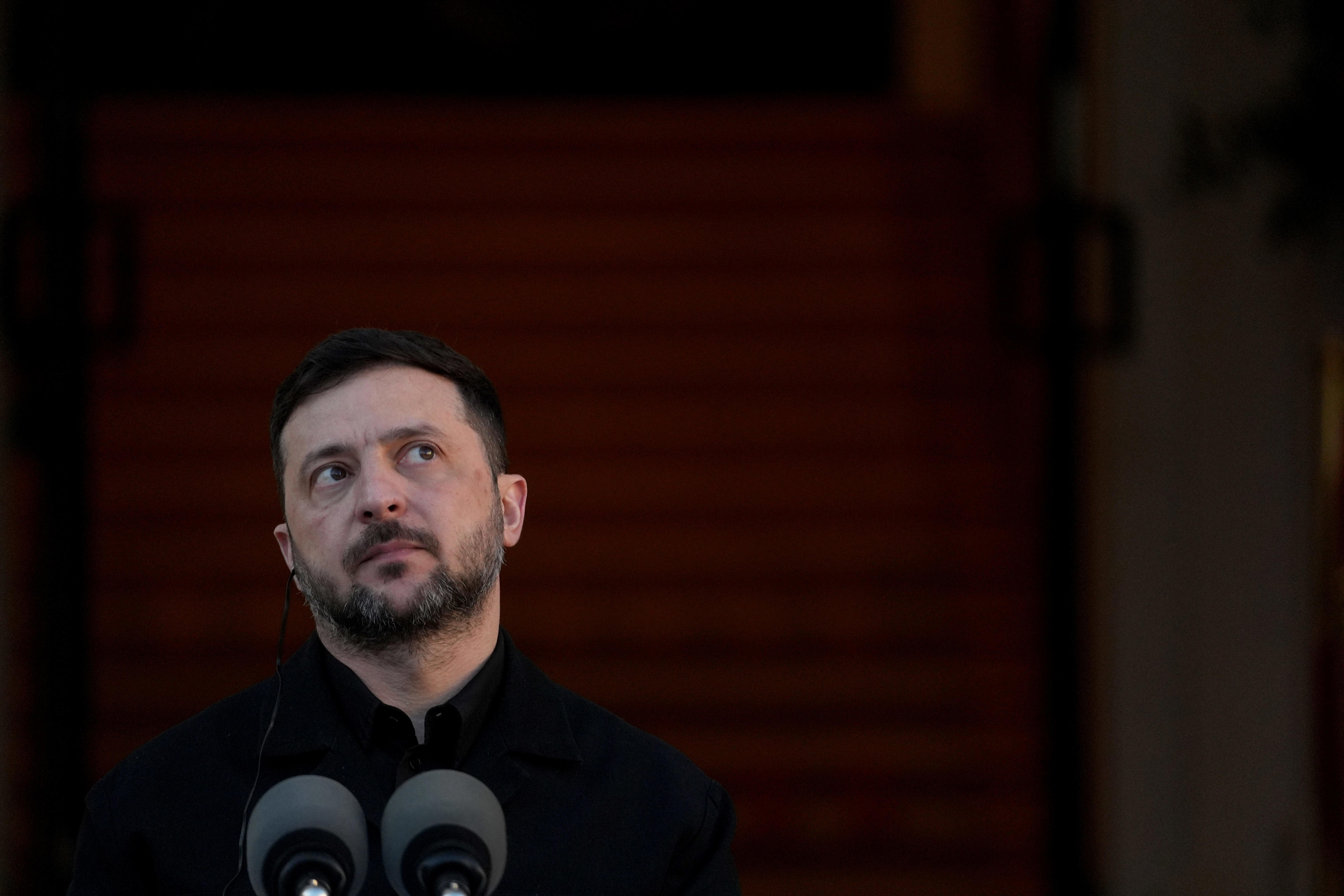
The original 28-point roadmap proposed by the U.S. last month had been criticized in Europe as favoring Russian interests. Zelensky mentioned that the plan had been revised following weekend negotiations, but the specifics of the updated proposal remain undisclosed. He expressed optimism about the ongoing efforts, calling it "one of the most challenging and yet optimistic moments" for peace in Ukraine.
Key Points from the Talks
- Productive: Russian envoy Kirill Dmitriev confirmed that the talks were productive.
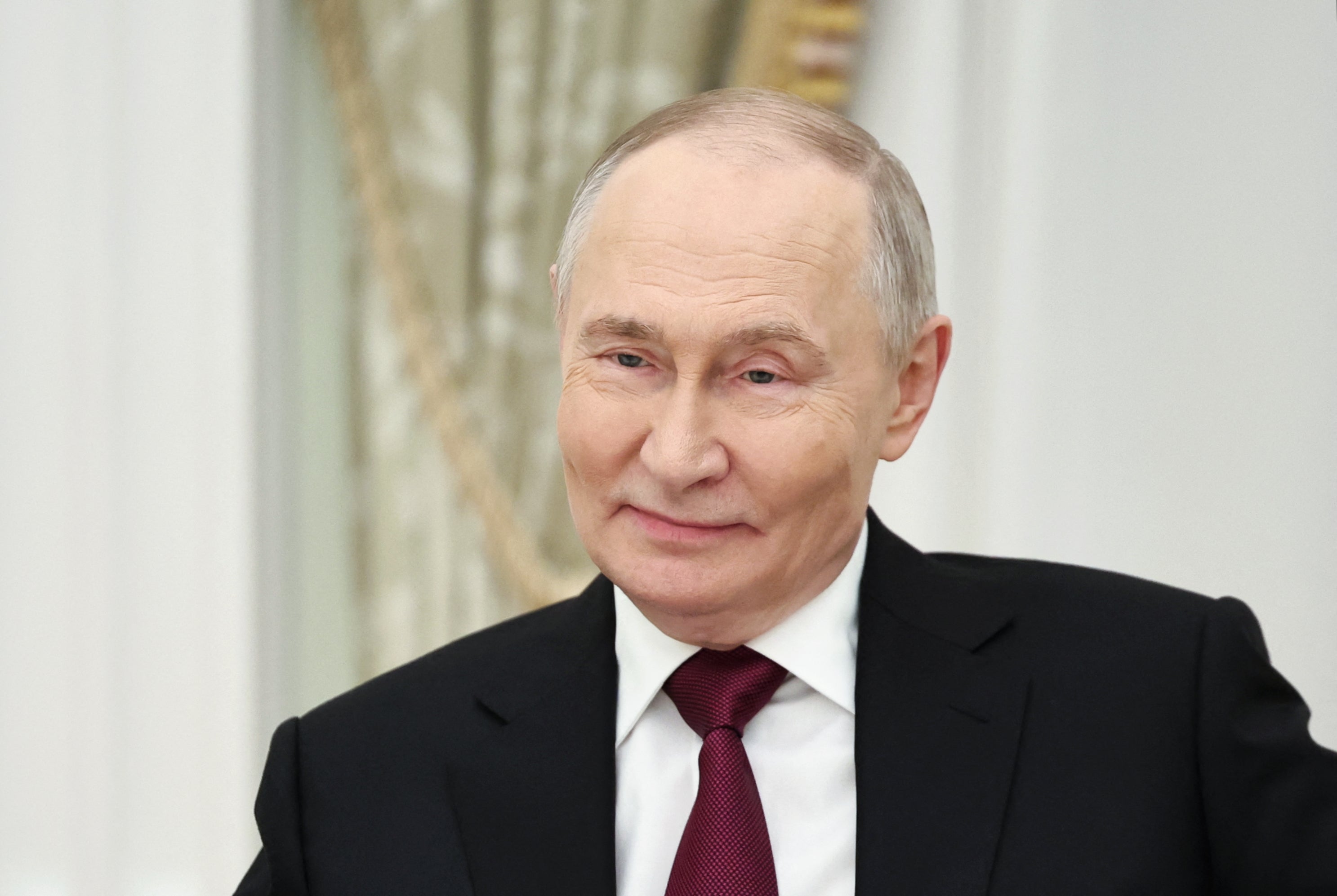
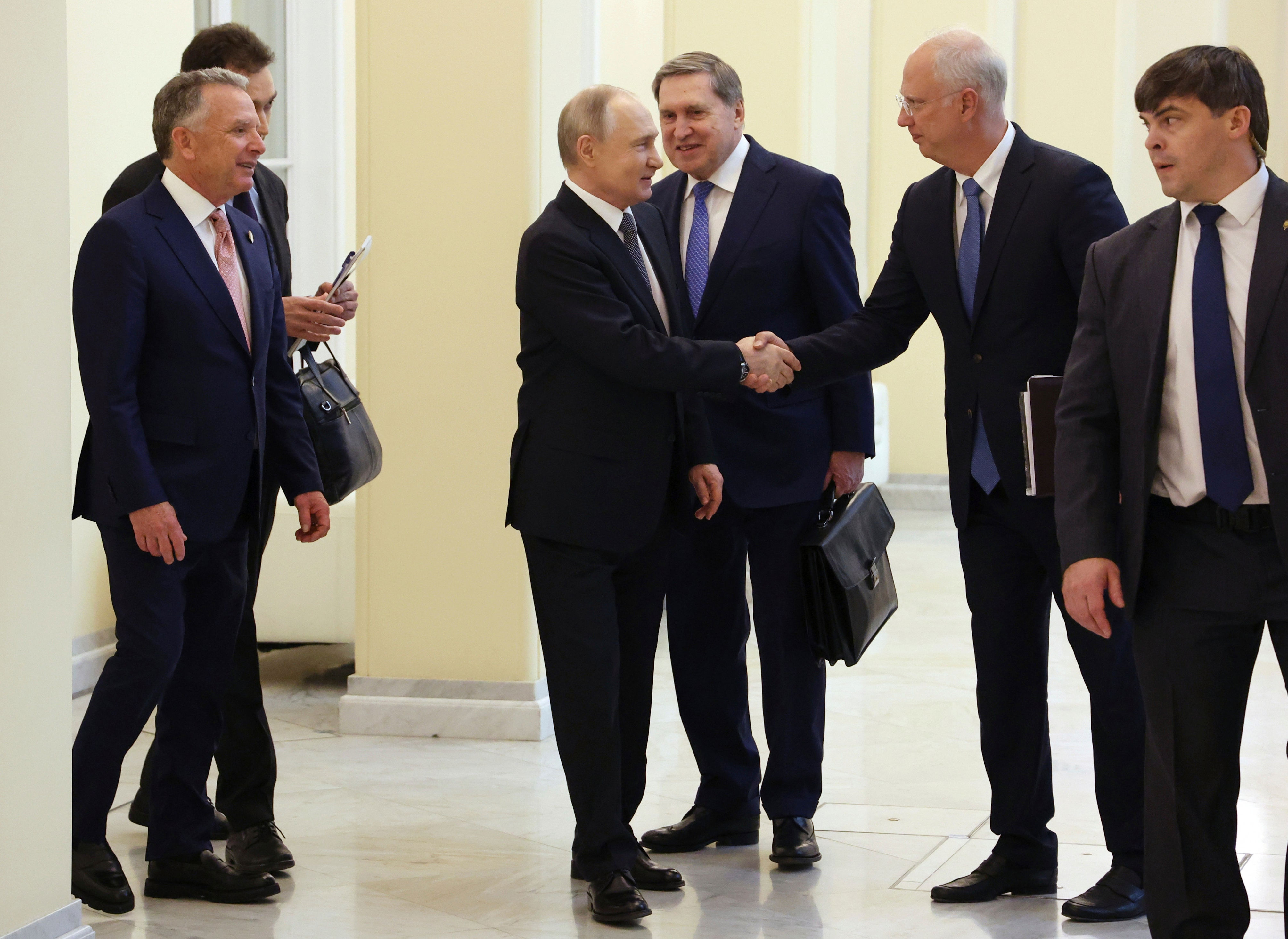
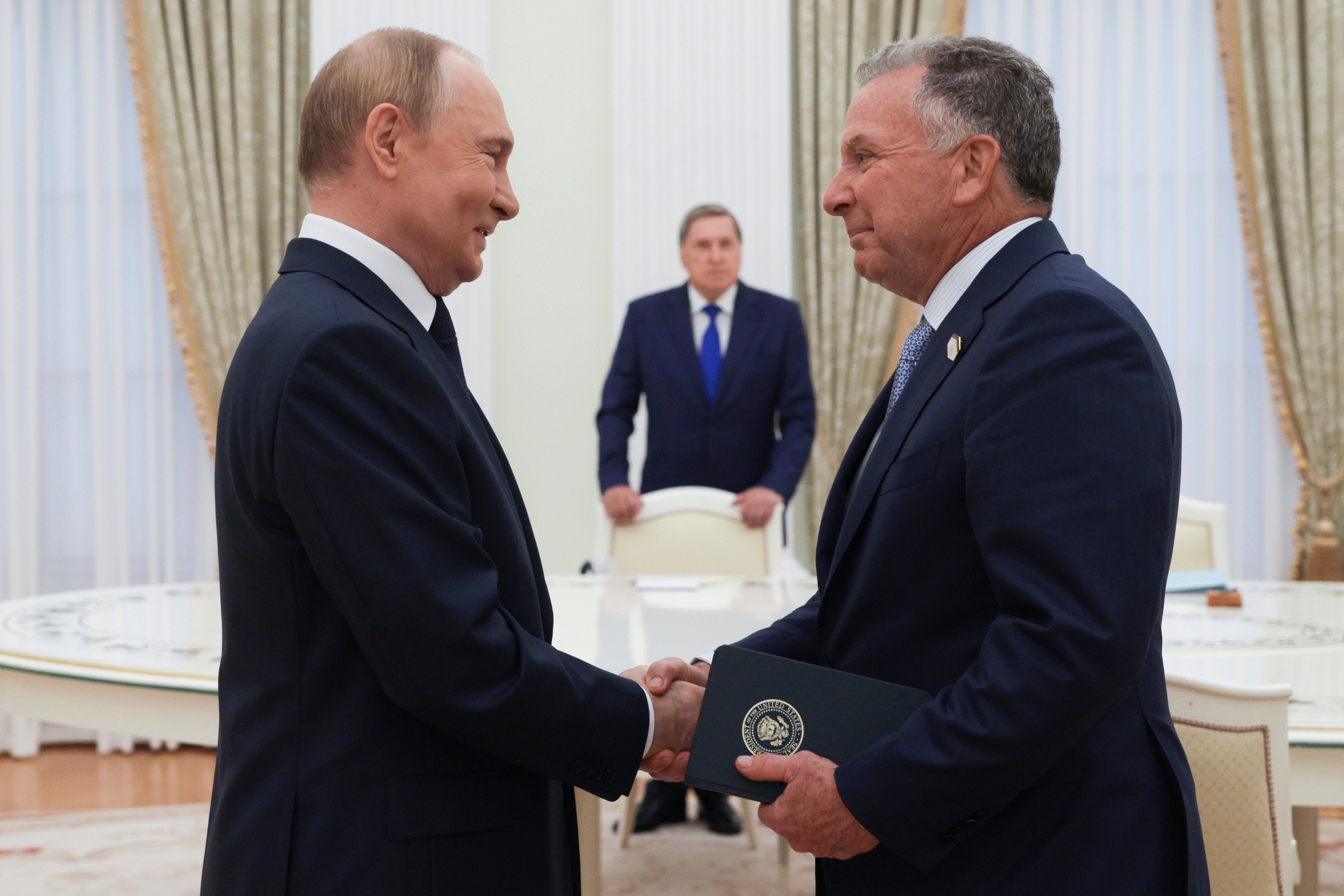
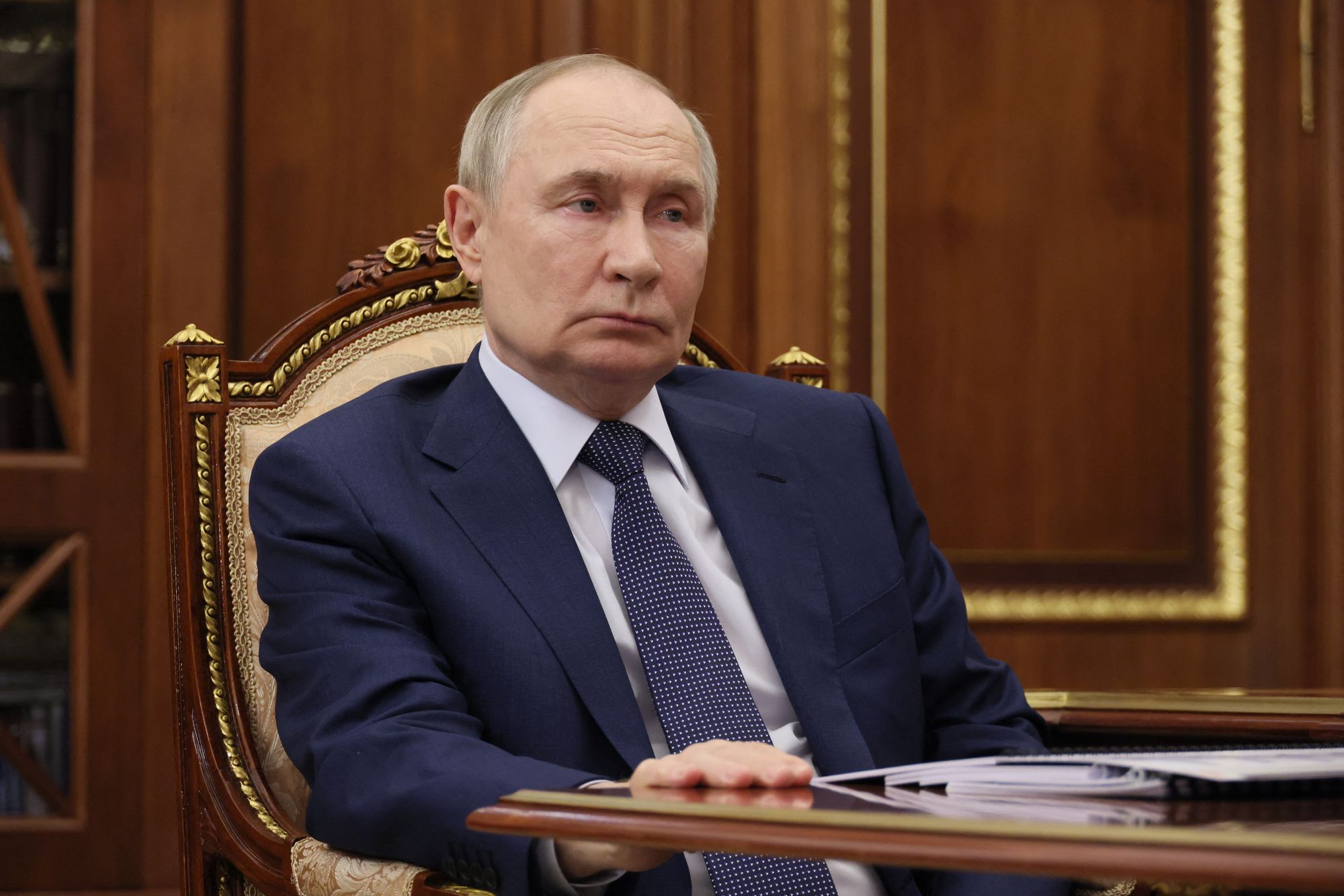
- Putin Meets Witkoff and Kushner: Photos from the meeting show Putin engaging with U.S. officials.
- Timeline of Peace Talks: A detailed timeline outlines the progression of negotiations.
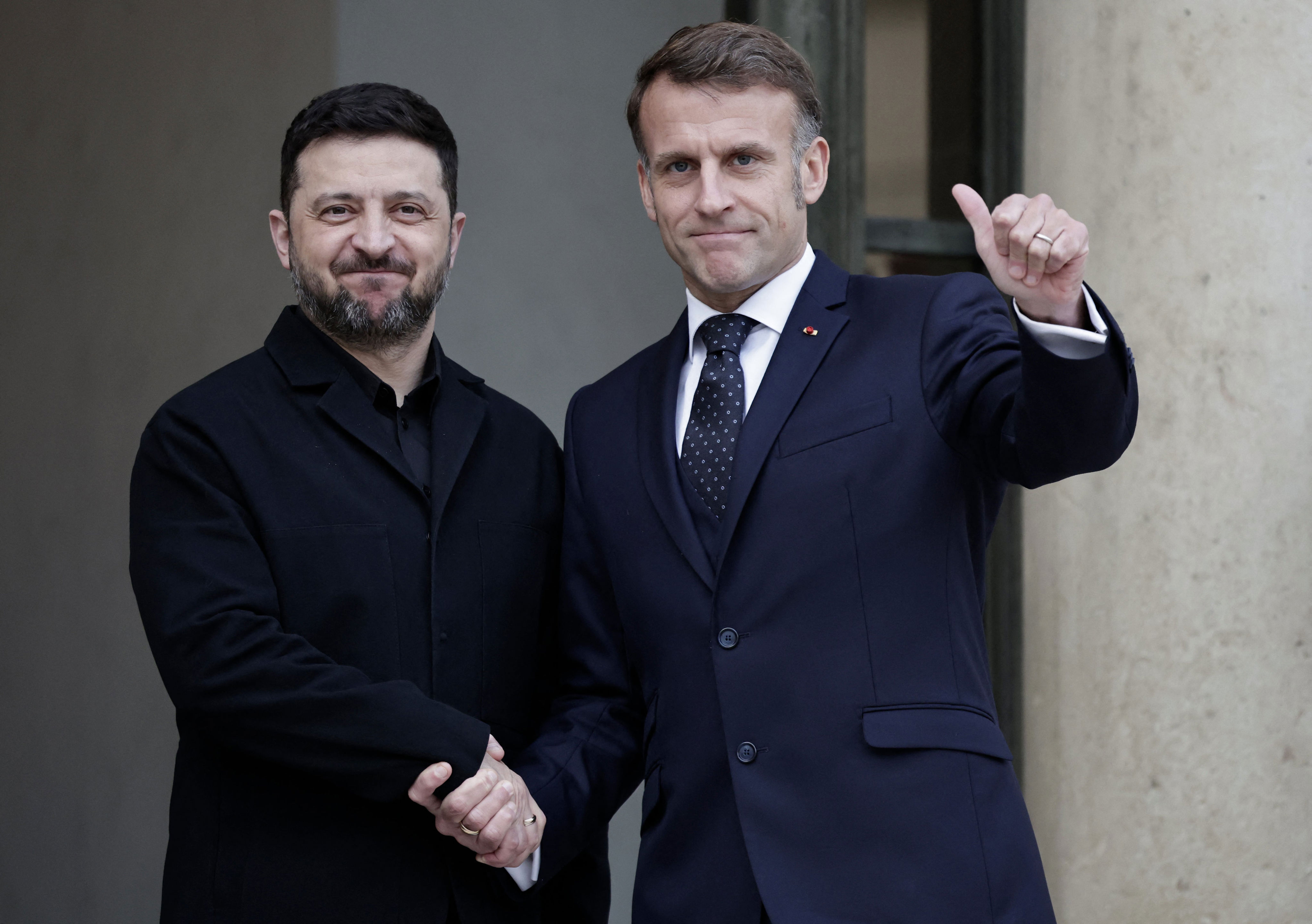
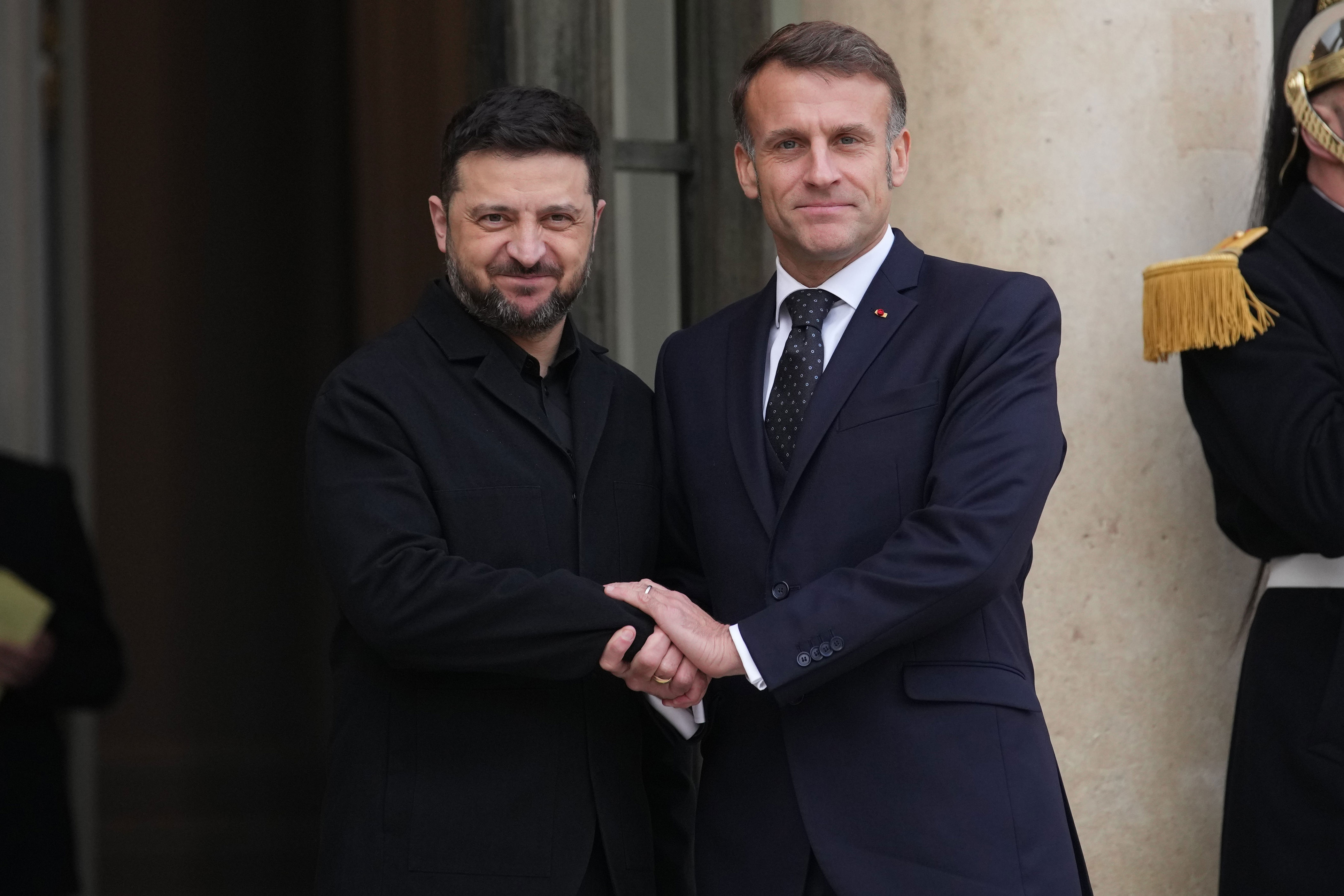
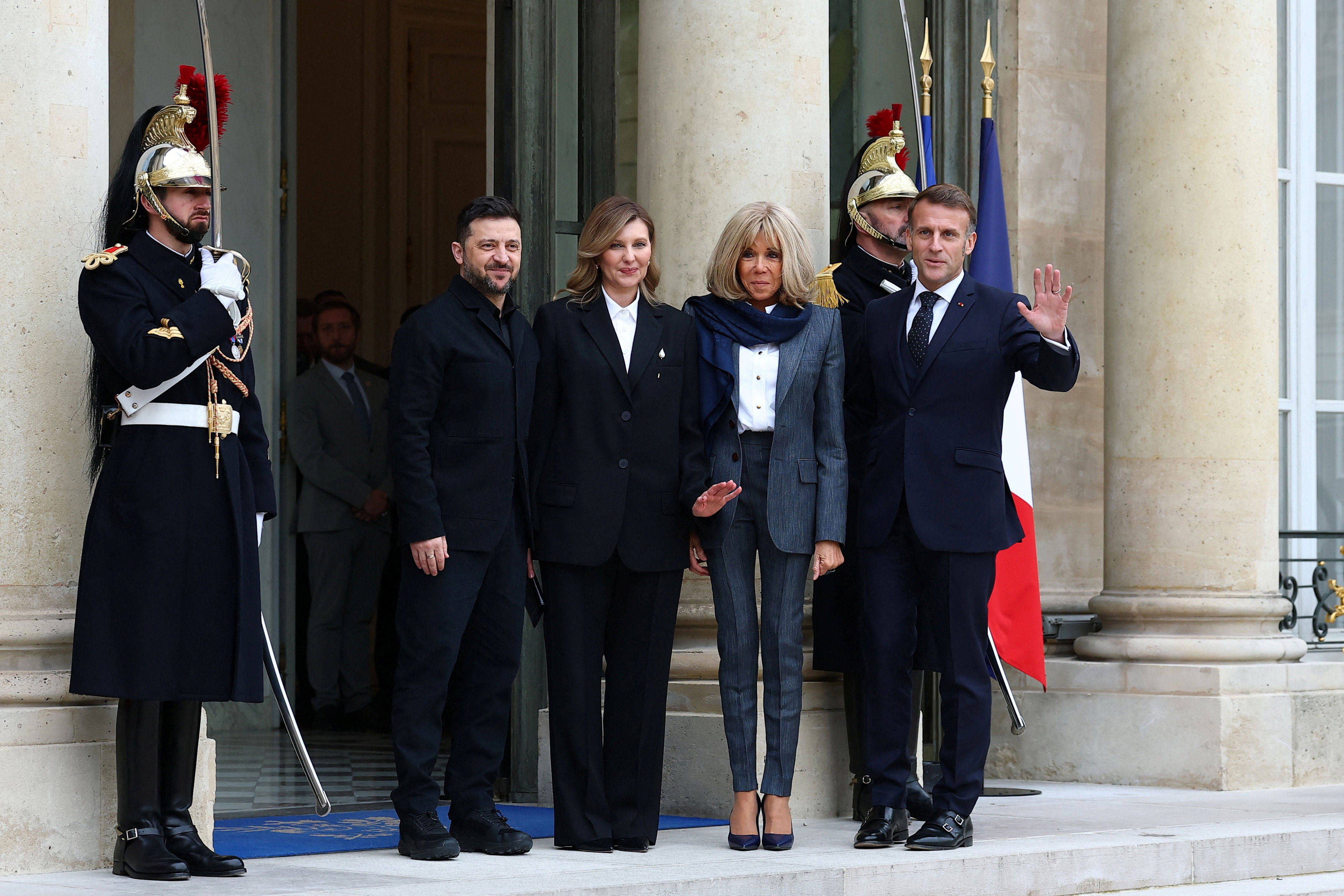
- Macron's Stance: French President Emmanuel Macron emphasized the need for European involvement in finalizing any peace agreement.
- Zelensky’s Perspective: The Ukrainian president acknowledged that while progress is being made, there are still unresolved issues.
Insights into the Meeting
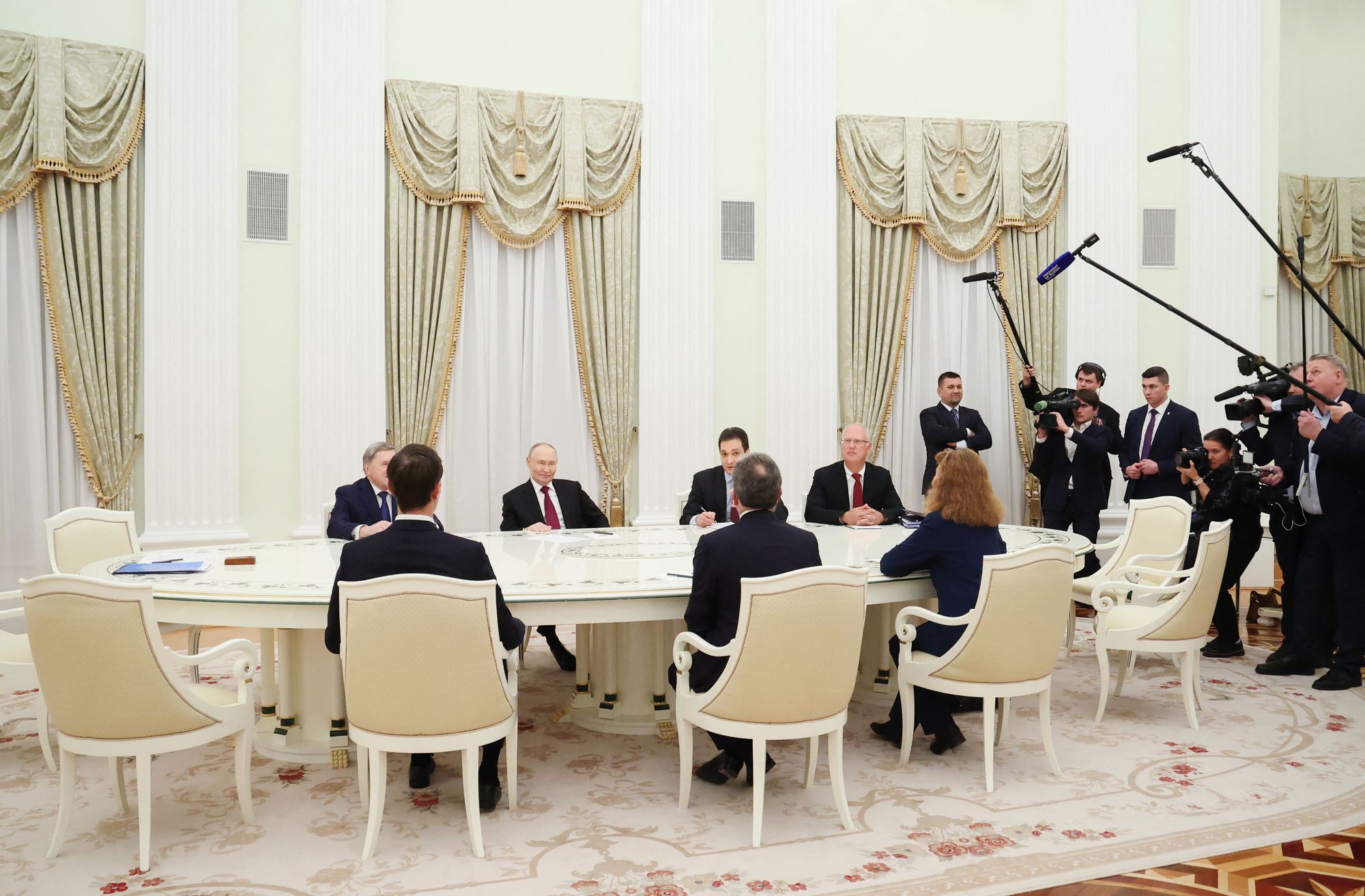
Before cameras were removed from the Kremlin’s meeting room, Putin was seen smiling and engaging in conversation with Witkoff, who was accompanied by foreign policy aide Yuri Ushakov and Putin investment envoy Kirill Dmitriev. Both sides had interpreters present during the discussions.
After the talks, Witkoff visited the U.S. embassy in Moscow, signaling the continuation of diplomatic efforts. Meanwhile, Trump addressed the situation at a cabinet meeting, describing it as "not an easy situation" and expressing concern over the complexity of the conflict.
The Historical Meeting Table
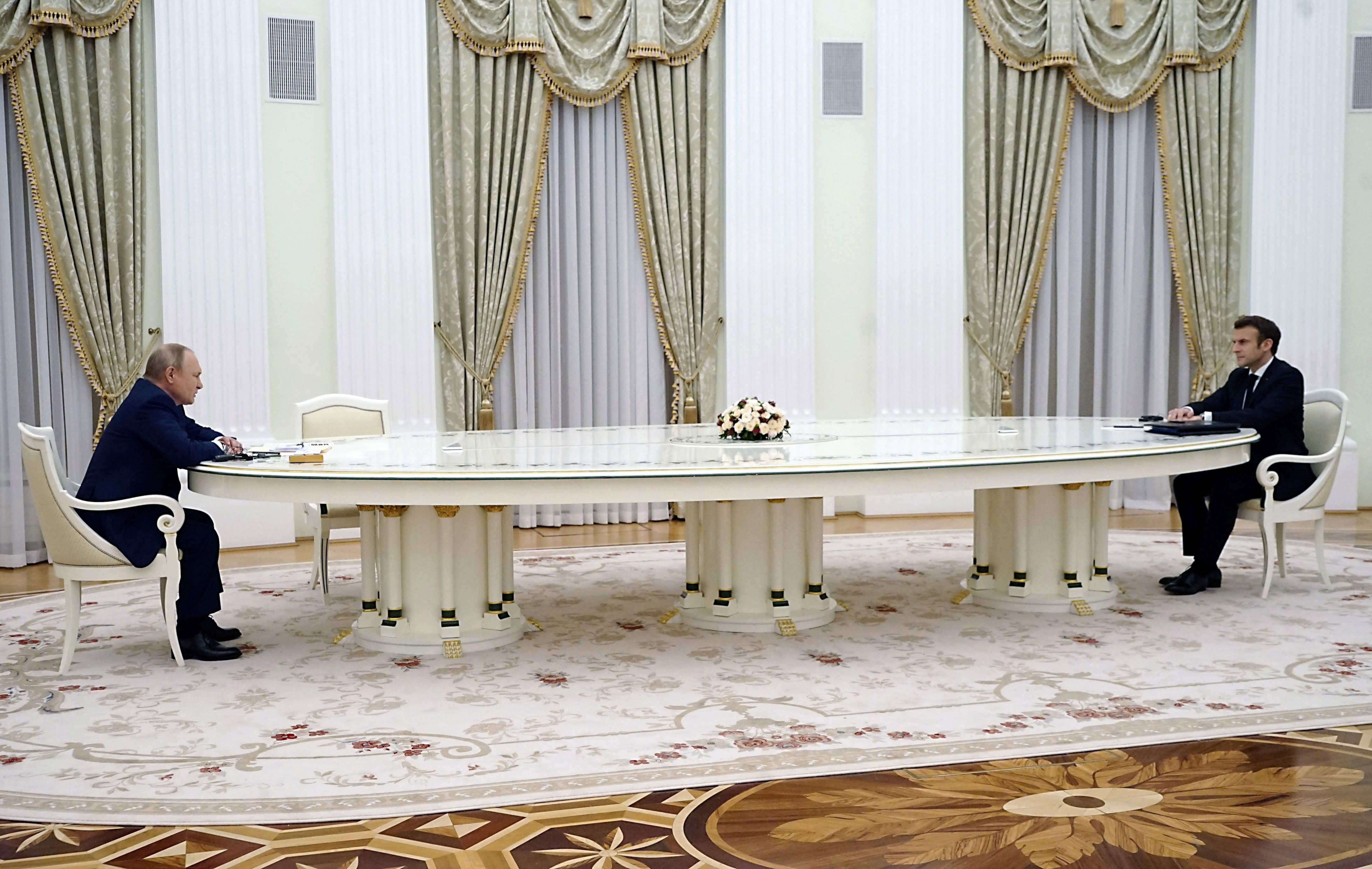
A notable element of the meeting was the iconic table used by Putin during previous high-level discussions, including a 2022 encounter with French President Emmanuel Macron. This table, which has become a symbol of diplomatic tension, was reportedly installed in the late 1990s during Boris Yeltsin's presidency. It is made of beech wood and measures 6 meters in length, supported by three wooden stands.
Despite several failed attempts at reaching an agreement, the outcome of these talks remains uncertain. The table continues to represent the distance between Russia and the West, highlighting the challenges of achieving peace in the region.
Timeline of Peace Negotiations
- 19 November: Trump’s 28-point plan was introduced, sparking concerns in Europe.
- 23 November: Europe issued a counter-proposal that avoided commitments to ceding Donbas to Russia.
- 24–25 November: Discussions took place in Abu Dhabi to refine the plan.
- 30 November: Ukraine-US talks occurred in Florida, with Marco Rubio expressing optimism about progress.
- 2 December: Zelensky announced a revised 20-point plan, which he claimed was a result of discussions with U.S. officials.
Who Is Involved in the Talks?
Several key figures are involved in the ongoing negotiations:
- Steve Witkoff: A billionaire real estate investor with strong ties to Russia, Witkoff has played a role in previous ceasefire agreements, including one involving Israel and Hamas.
- Kirill Dmitriev: A blacklisted Kremlin official, Dmitriev has been involved in several discussions with Trump officials, despite U.S. sanctions against him.
- Jared Kushner: As Trump’s son-in-law, Kushner has been closely involved in various international negotiations, including those related to the Middle East and Ukraine.
Recent Developments in the Region
Tensions have also risen between Lithuania and Belarus, with the latter accusing Lithuania of a "cynical hybrid attack" after meteorological balloons disrupted airport operations. These balloons, often used for smuggling, have been seen as deliberate acts of disruption by Lithuanian authorities.
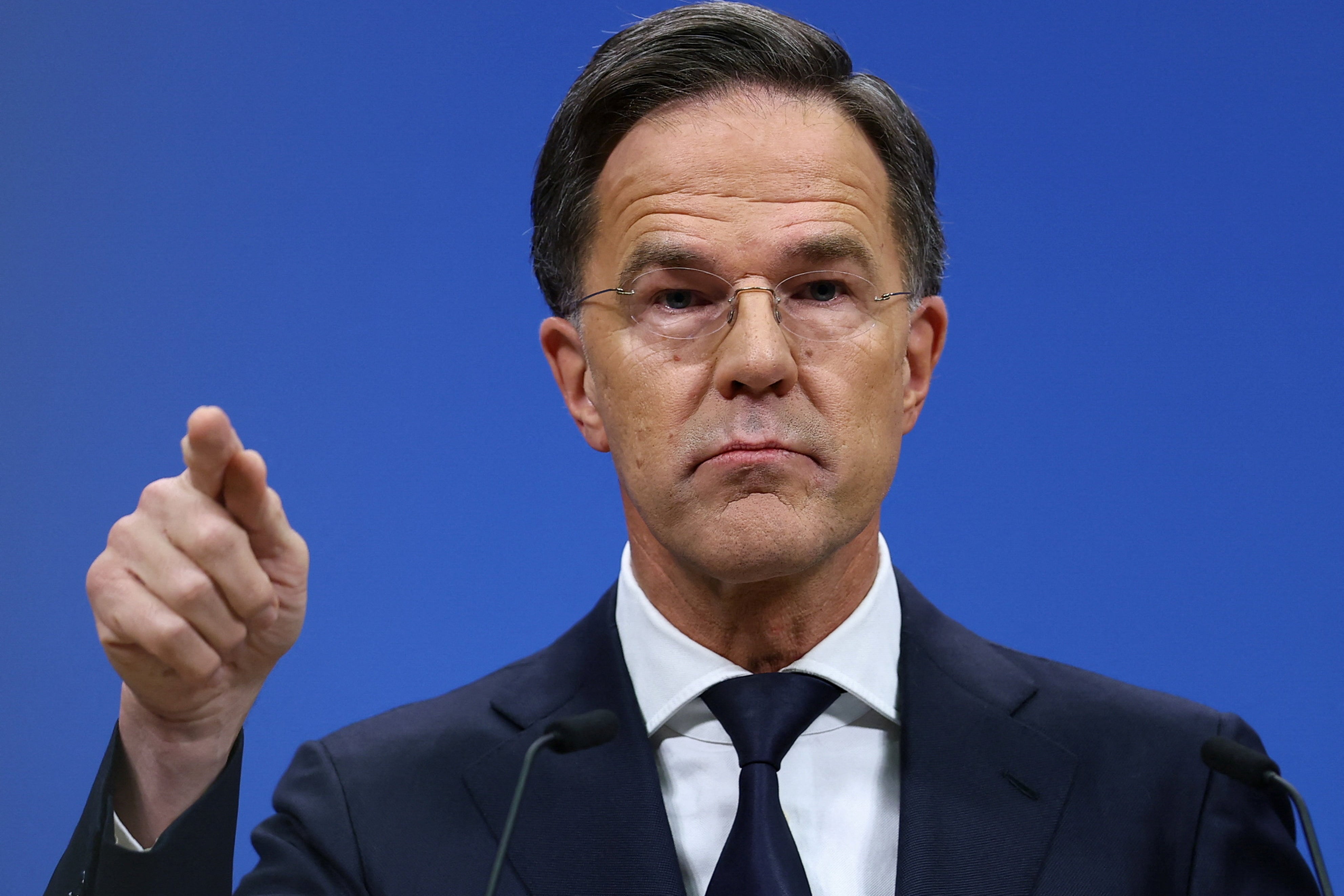
In addition, NATO Secretary-General Mark Rutte brushed off concerns about U.S. commitment to the alliance, emphasizing that U.S. Secretary of State Marco Rubio would not attend a scheduled meeting due to his busy schedule.
Military Situation in Ukraine
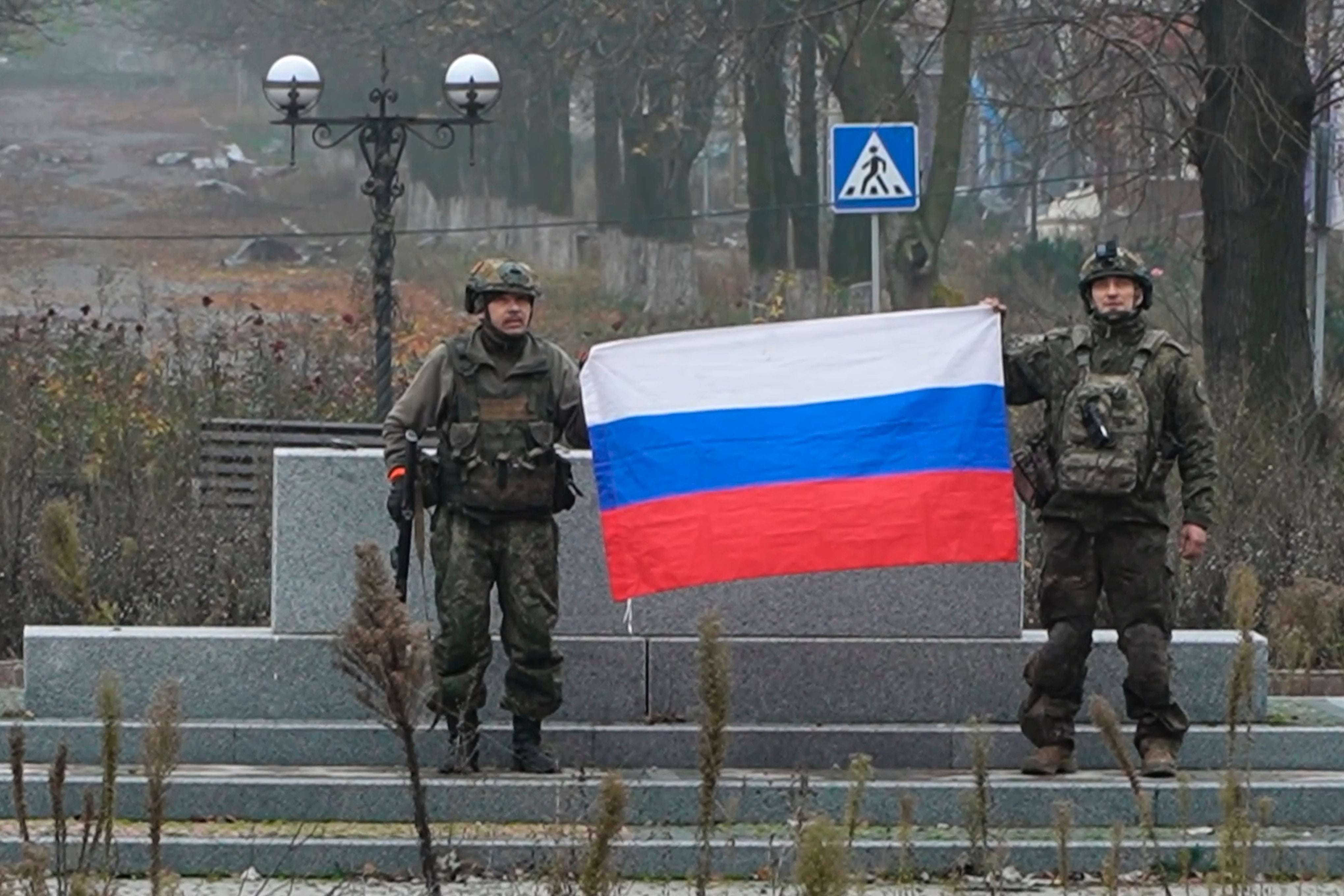
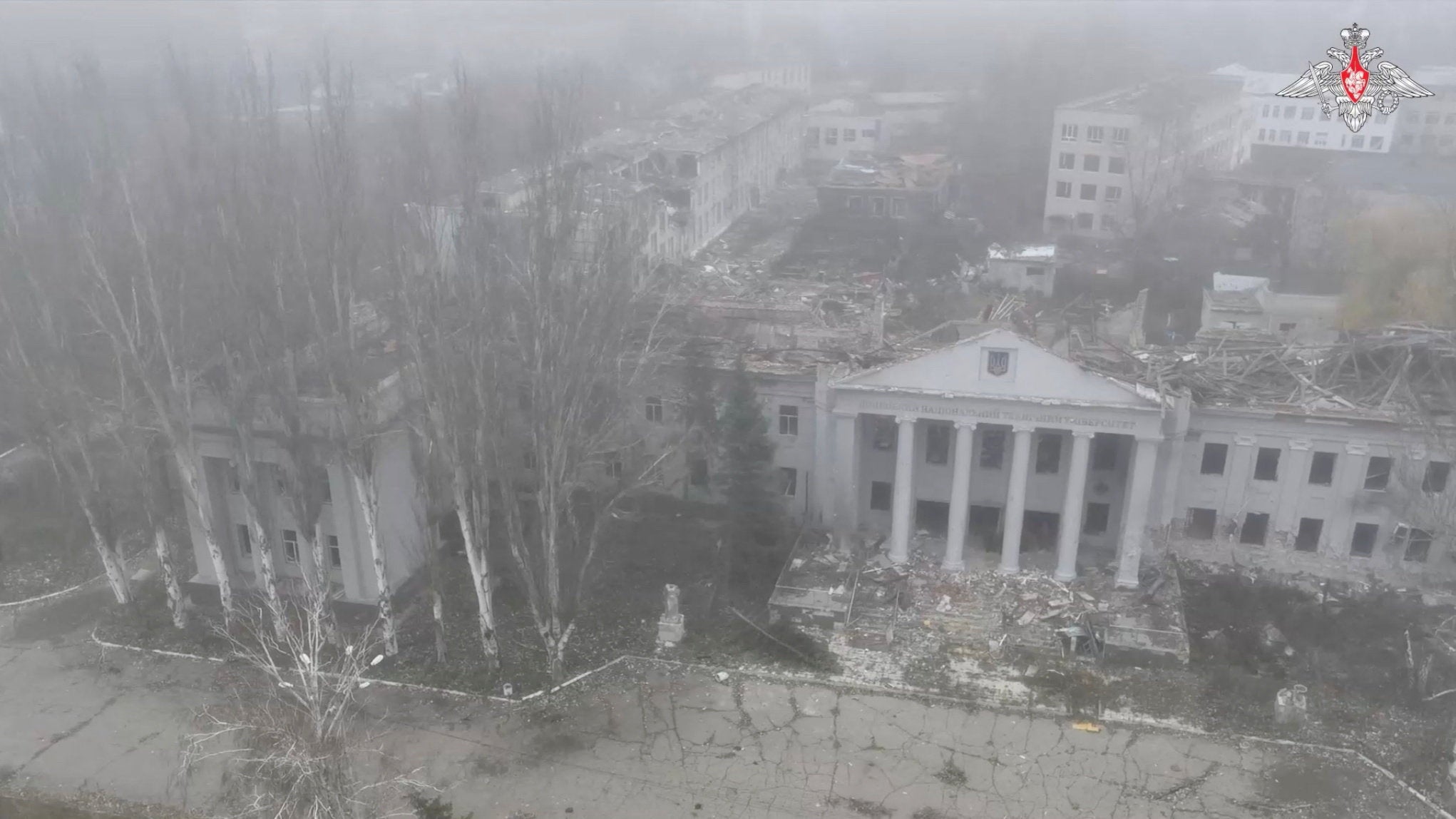
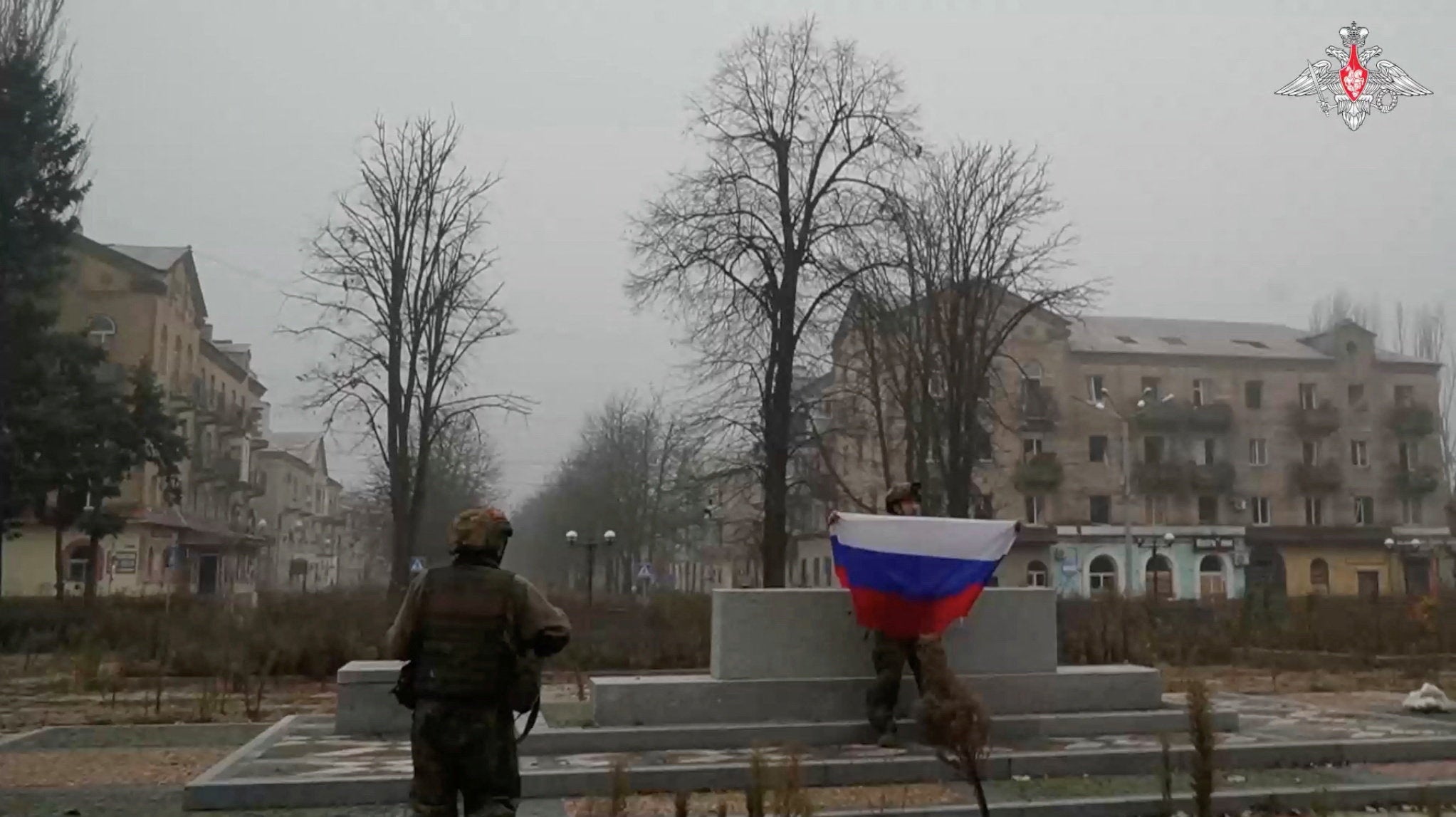
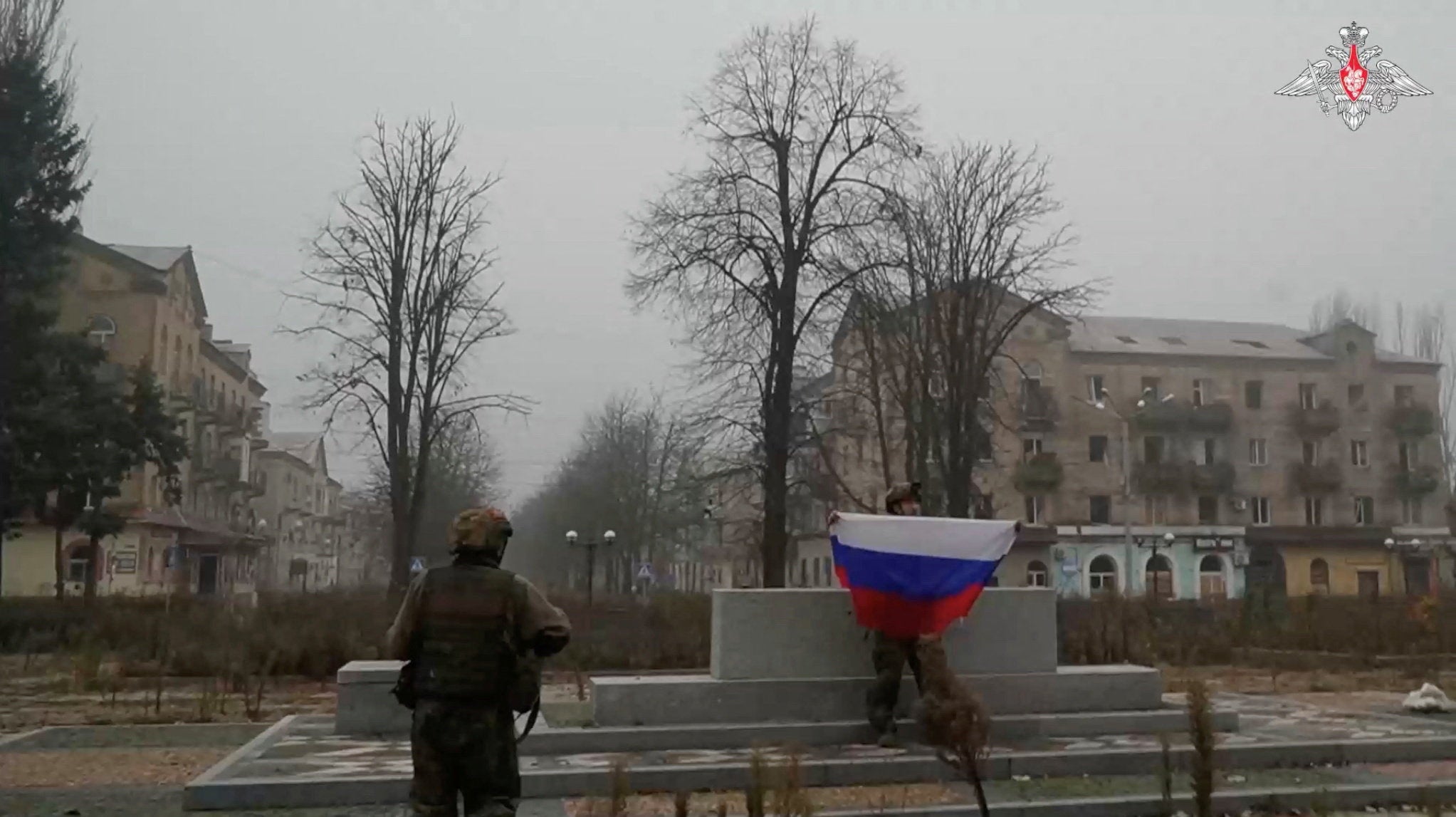
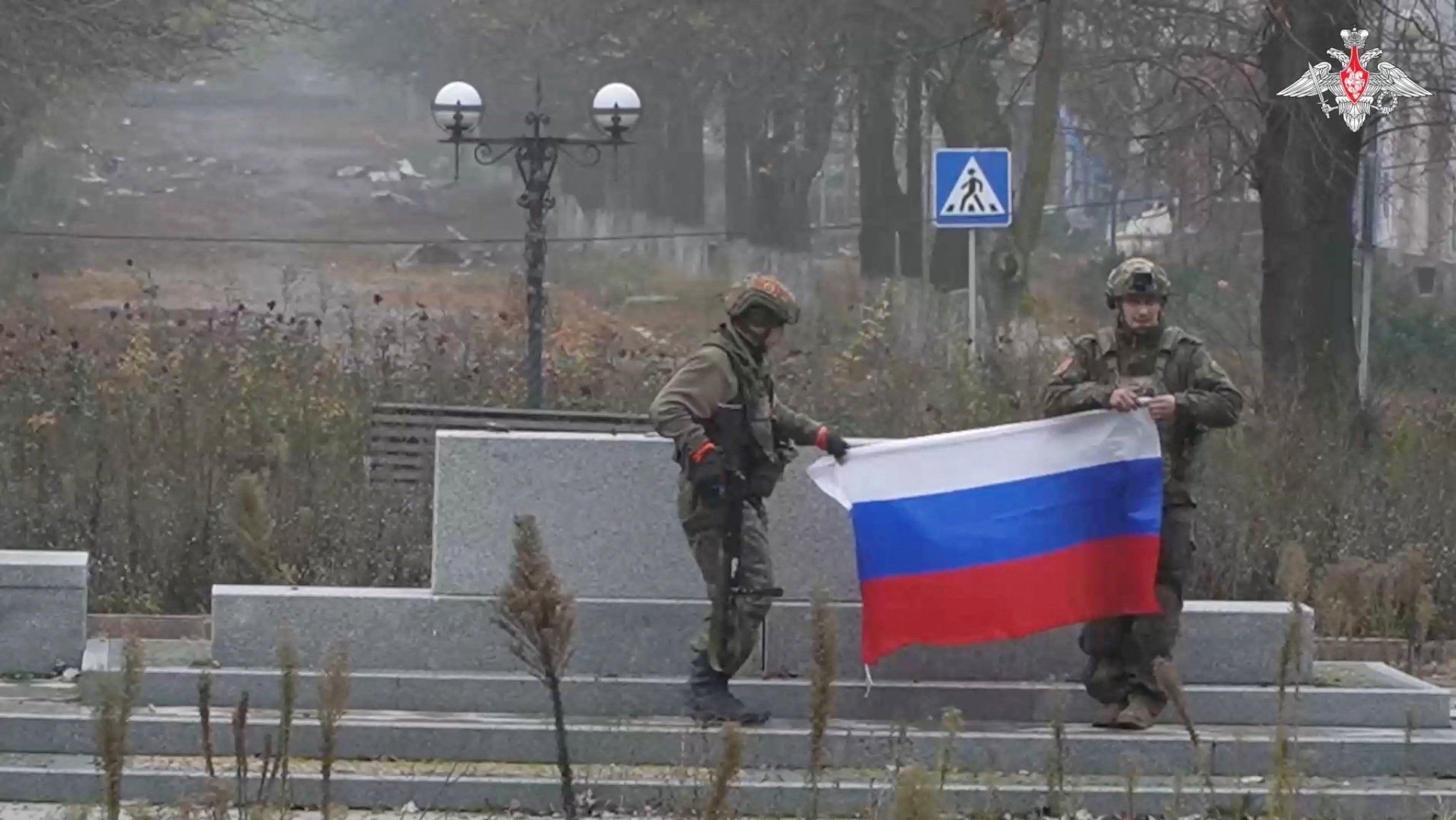
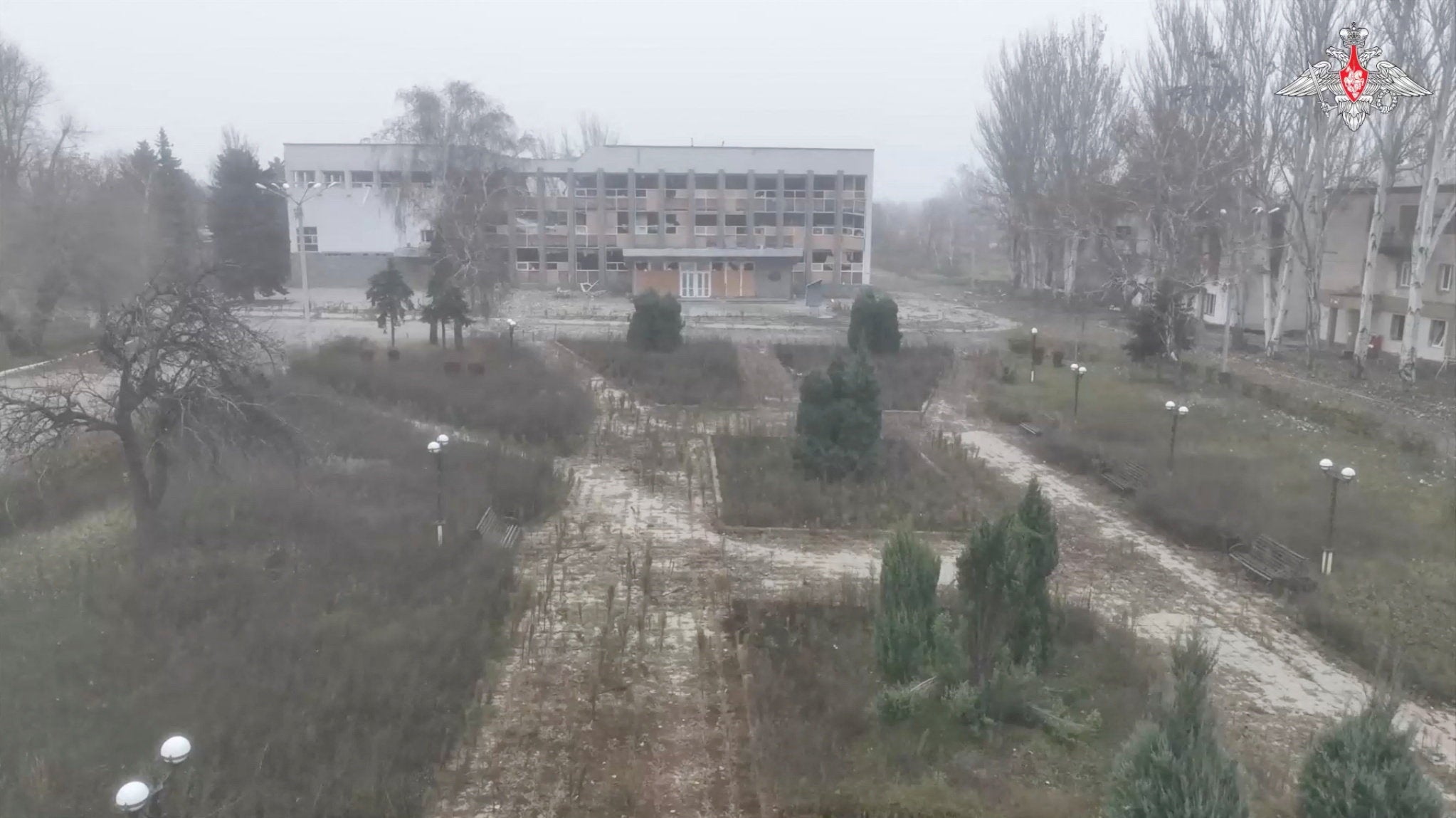
Russian forces have encircled Myrnohrad, with over 95% of the city of Pokrovsk under their control, according to a senior NATO official. Ukrainian troops are relying on drones for supplies, but this has become increasingly difficult as supply routes are cut off.
Zelensky expressed fears that the U.S. could lose interest in the peace process, warning that this would be a goal of Russia. Despite these concerns, he remained optimistic about the speed of negotiations and the U.S. interest in finding a solution.
International Reactions
European leaders have called for greater involvement in the peace process, emphasizing the importance of maintaining Ukraine’s territorial integrity and its aspirations for NATO and EU membership. The EU has also warned that any peace deal must not allow Russia to escape accountability for alleged war crimes.
Conclusion
As the talks continue, the path to a lasting peace in Ukraine remains uncertain. While some progress has been made, significant challenges remain, particularly regarding the terms of any potential agreement. The involvement of key players like Steve Witkoff and Kirill Dmitriev, along with the broader geopolitical implications, will play a critical role in shaping the future of the conflict.

Post a Comment for "Ukraine War: Witkoff-Putin Talks End as Zelensky Unveils New Deal"
Post a Comment