
Which Animal in Australia Is the Deadliest? How to Avoid It
The Surprising Reality of Australia's Deadliest Creatures
When most people think of dangerous animals in Australia, images of massive saltwater crocodiles, venomous snakes coiled in the grass, or those infamous funnel-web spiders lurking in Sydney suburbs often come to mind. These creatures certainly deserve respect, no question about it. However, the real danger that often goes unnoticed is not slithering, crawling, or swimming through tropical waters at all.
Between 2000 and 2013, horses were responsible for 74 deaths in Australia, far outpacing any other animal on the continent. Bees came in second with 27 deaths, while coronial data from that same period lists cows as responsible for 33 deaths and dogs for 27. Compare this to the fearsome reputation of sharks, snakes, and jellyfish, and you'll start to see just how much Hollywood has influenced our perception of danger. For example, there have been only 7 deaths from shark attacks.
Most horse-related deaths occur because riders have fallen off or due to vehicle accidents involving horses on roads. Brain and thoracic injuries are the leading causes of death in horse-related incidents worldwide. The unpredictability of these powerful animals, combined with their half-tonne weight and capability of running at high speeds, makes them genuinely formidable.
The Brown Snake: Australia's Most Lethal Reptile
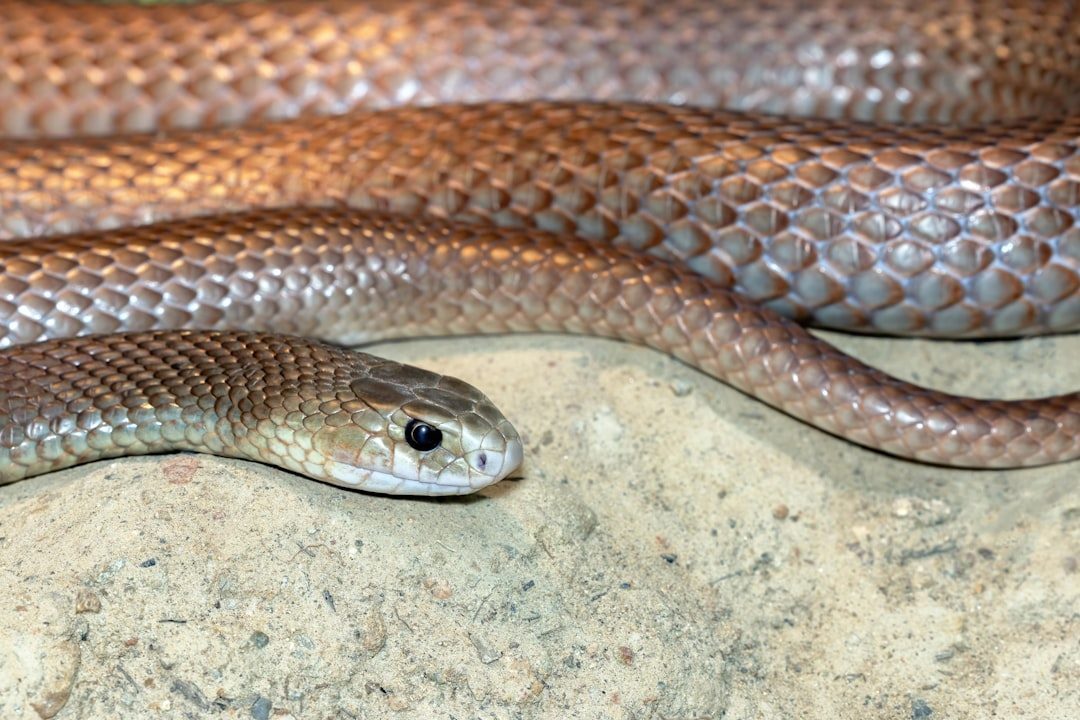
Let’s address the snake in the room. While horses top the death statistics overall, snakes were the country's deadliest venomous creature, accounting for 27 deaths between 2000 and 2013, causing almost twice as many deaths per hospital admission than any other venomous creature.
Up to 3,000 people are bitten by snakes in Australia every year, though snake envenomation results in only a few hundred cases and just one to four deaths annually. The eastern brown snake is responsible for the vast majority of these fatalities. Between 2000 and 2016, the eastern brown snake killed over 70% of people who received fatal snake bites. These snakes are deceptively plain-looking, ranging from light brown to almost black, allowing them to blend seamlessly into their natural environment.
They're found predominantly across eastern Australia, where human populations are densest, increasing the likelihood of encounters. What makes brown snakes particularly dangerous is their defensive nature. Unlike some snake species that retreat when confronted, brown snakes are known to stand their ground and strike. Since 2000, more than half of Australian snake bite deaths happened at home, with 17 of the 35 fatal bites between 2000 and 2016 occurring in major cities or inner regional areas.
Most incidents take place during Australia's warmer months from October to May, when snakes are most active.
Box Jellyfish: The Nearly Invisible Ocean Threat
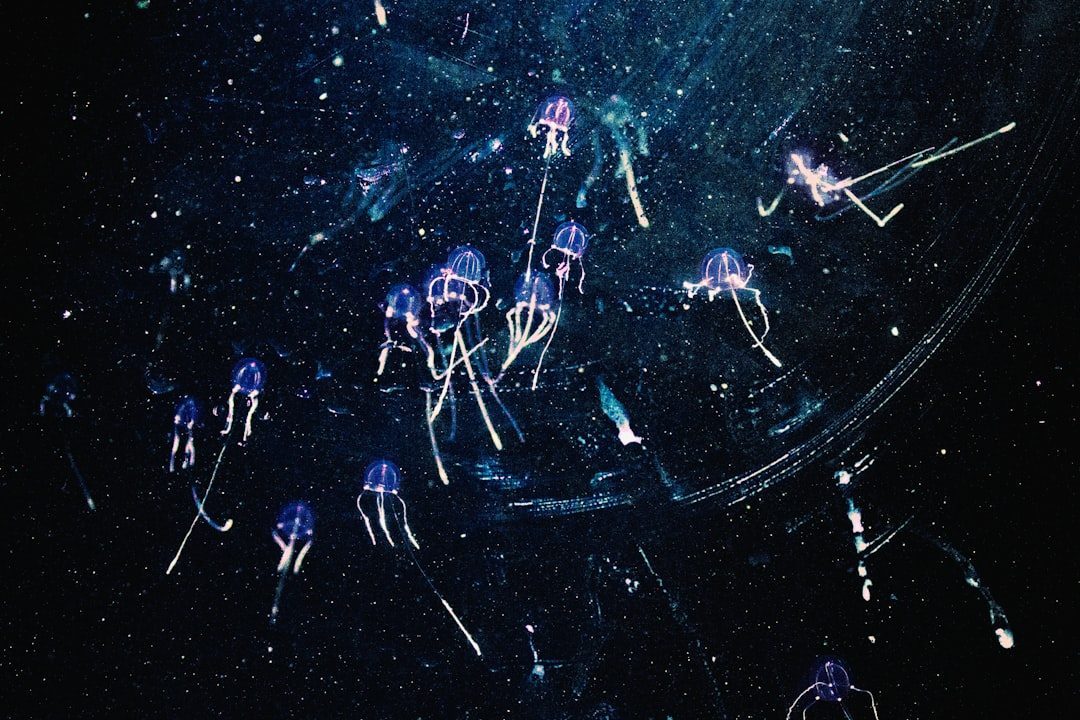
Swimming in Australia's tropical waters requires awareness of another genuine danger. Box jellyfish are believed to have caused at least 69 deaths since record keeping began in 1883, though there have been only two recorded deaths from Irukandji jellyfish and about 70 deaths from box jellyfish since 1883.
According to jellyfish expert Dr. Lisa-ann Gershwin, there is a fatality every three to four years in Australia from box jellyfish. The box jellyfish's pale blue, transparent body makes it nearly invisible in water, increasing the risk of accidental contact. Chironex fleckeri has been described as the most lethal jellyfish in the world, with at least 64 known deaths in Australia from 1884 to 2021.
Since 1975, there have been 14 deaths in the Northern Territory's Top End, all of them children. The jellyfish season runs from roughly November to May in tropical North Queensland. If the sting area is significant, an untreated victim may die in two to five minutes. The venom causes excruciating pain and can lead to cardiac arrest remarkably quickly.
Honestly, this makes box jellyfish one of the few creatures in Australia that genuinely deserves its terrifying reputation.
Crocodiles: Ancient Predators of the North
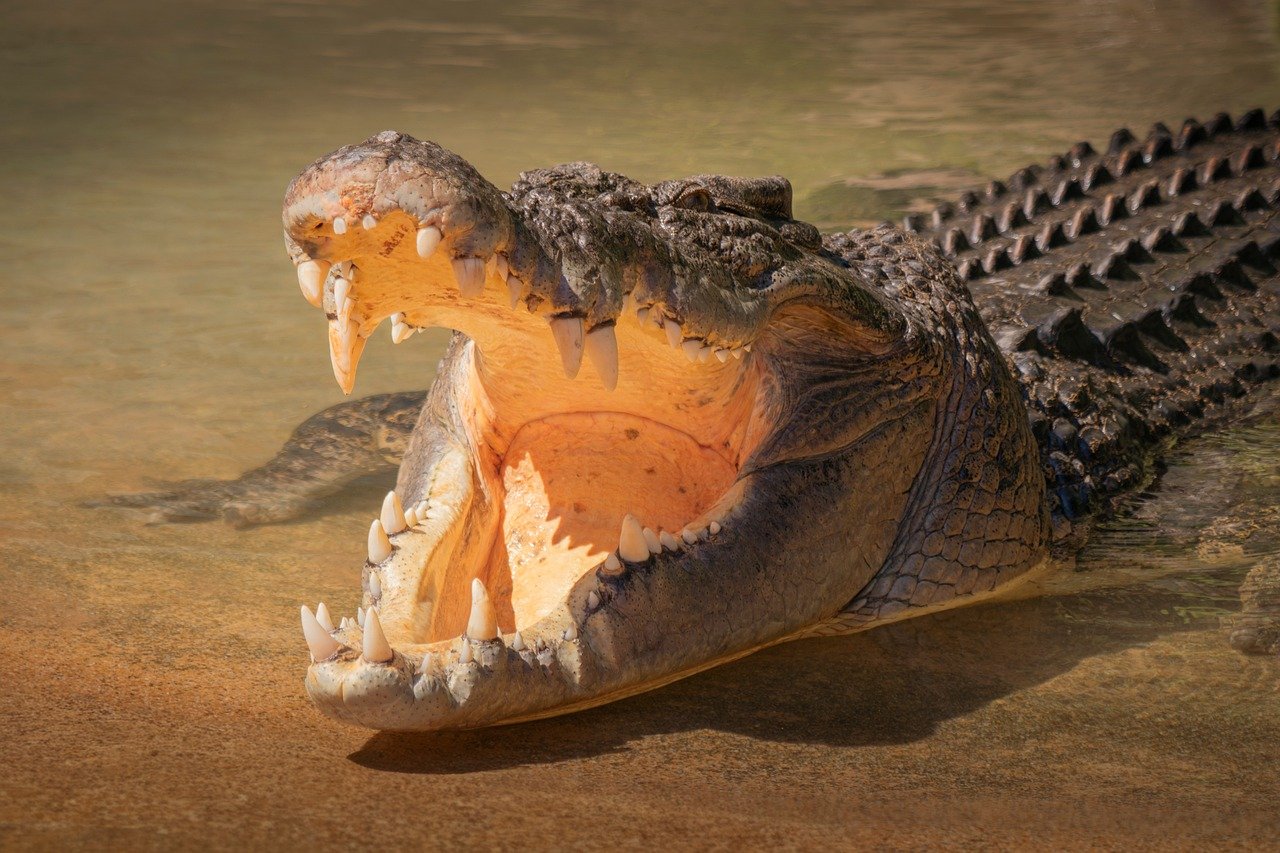
Saltwater crocodiles command respect in Australia's northern waters. Between 2024 and 2023, there have been multiple fatal attacks, with 2024 recording three fatal attacks. While 44 fatal attacks since 1969 may seem alarming, crocodile deaths remain rare compared to other risks like drownings, vehicle accidents, and even bee stings, which claim far more lives each year.
These apex predators inhabit the coastal waters of northern Australia, from the northern half of Western Australia across the Northern Territory to Queensland. An adult male saltwater crocodile typically measures around five metres, with some specimens reaching six metres. They're protected species now, and their populations have rebounded strongly since hunting was banned.
Each crocodile attack is a tragedy and almost always preventable. The key is paying attention to warning signs and avoiding swimming in rivers, estuaries, and areas known to have crocodile populations. Freshwater crocodiles are much smaller, typically harmless, though you'd still be wise not to disturb them.
How to Actually Stay Safe From Australian Wildlife
Let’s be real here. The statistics show that animal attacks in Australia are actually quite rare when you consider the population and the number of outdoor activities Australians engage in daily. Despite countless venomous animals across Australia, between 2001 and 2017 there were an average of 32 animal-related deaths per year, with horses and cows being the biggest killers.
For snake safety, tap a walking stick on the ground when hiking so snakes can feel vibrations and retreat, and if you see a snake on the path, stop, walk slowly backwards, and wait for it to pass. Most snake bites occur when people try to kill or capture snakes. Wearing closed-toe shoes and long trousers when bushwalking significantly reduces your risk.
In the rare event of a snake bite, back away slowly, stamp your feet to encourage the snake to move along, and remember that antivenom is available to treat all dangerous Australian snakes. For marine safety, never swim in tropical northern waters during stinger season without a stinger suit. Always swim at patrolled beaches between the flags where lifeguards monitor conditions.
Look for warning signs, swim at patrolled beaches, and note that many popular beaches have underwater netting to deter sharks, with lifeguards monitoring waters and blowing warning whistles if sharks are spotted. Regarding crocodiles, the advice is straightforward. When signs say no swimming, don't swim.
Crocodiles are ambush predators, and they move surprisingly fast on land too. Keep well back from riverbanks and estuaries in northern Australia. For horses, if you're riding, always wear a helmet and appropriate safety gear. Horse riding has been shown to be more dangerous than motorcycle riding and automobile racing, with the danger compounded by the interaction of two species that may result in unpredictable events.
The truth is, with some common sense and respect for wildlife, Australia is an incredibly safe place to visit and live. The animals that cause the most harm are often the domesticated ones we interact with regularly. Those terrifying creatures in the documentaries? They'd generally prefer to avoid you entirely.
Just remember to check your shoes before putting them on, never try to handle wildlife, and always heed warning signs. Stay alert, stay educated, and you'll have nothing to worry about.

Post a Comment for "Which Animal in Australia Is the Deadliest? How to Avoid It"
Post a Comment