
Hyundai Halts Electric Vehicle Production in South Korea Once More
The second production suspension this year
Recently, electric cars have been generating significant discussion, particularly due to Tesla experiencing a decline in sales that has become a major point of conversation within the auto sector. However, Tesla is not alone as an American electric vehicle maker facing challenges; even Hyundai revealed plans to halt operations at its primary facility domestically for five consecutive days because of reduced demand across crucial regions such as Europe and North America. This move follows another similar suspension from Hyundai earlier this year in February.
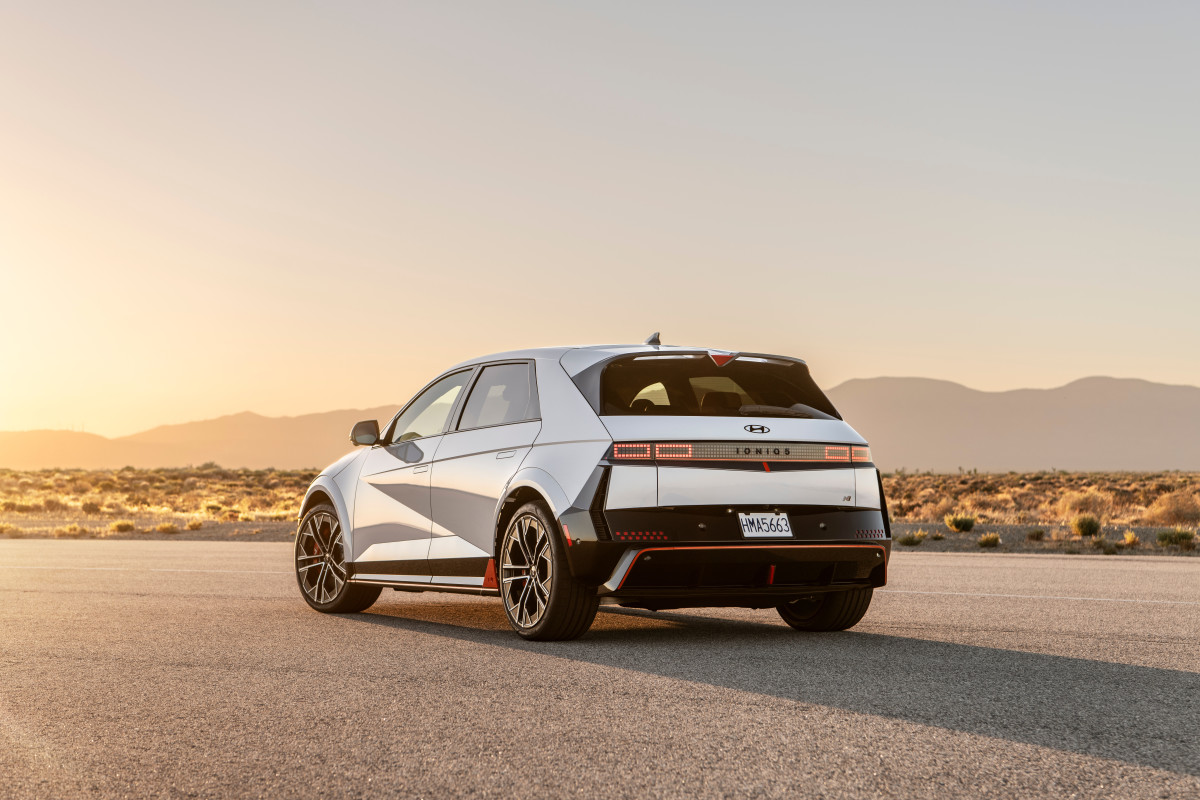
The South Korean facility manufactures two electric vehicles for Hyundai.
Weakening demand throughout the United States, Canada, and Europe has made an impact on Hyundai’s sales both domestically and abroad. Last year, Hyundai Motor Group, which includes Hyundai, Kia, and Genesis, came in as the fourth-largest automaker in the United States for the second year in a row. Their momentum seems to be waning, though. The South Korean automaker’s latest production hold, which takes place between April 24th and 30th, affects the Ioniq 5 and Kona EV crossovers specifically.
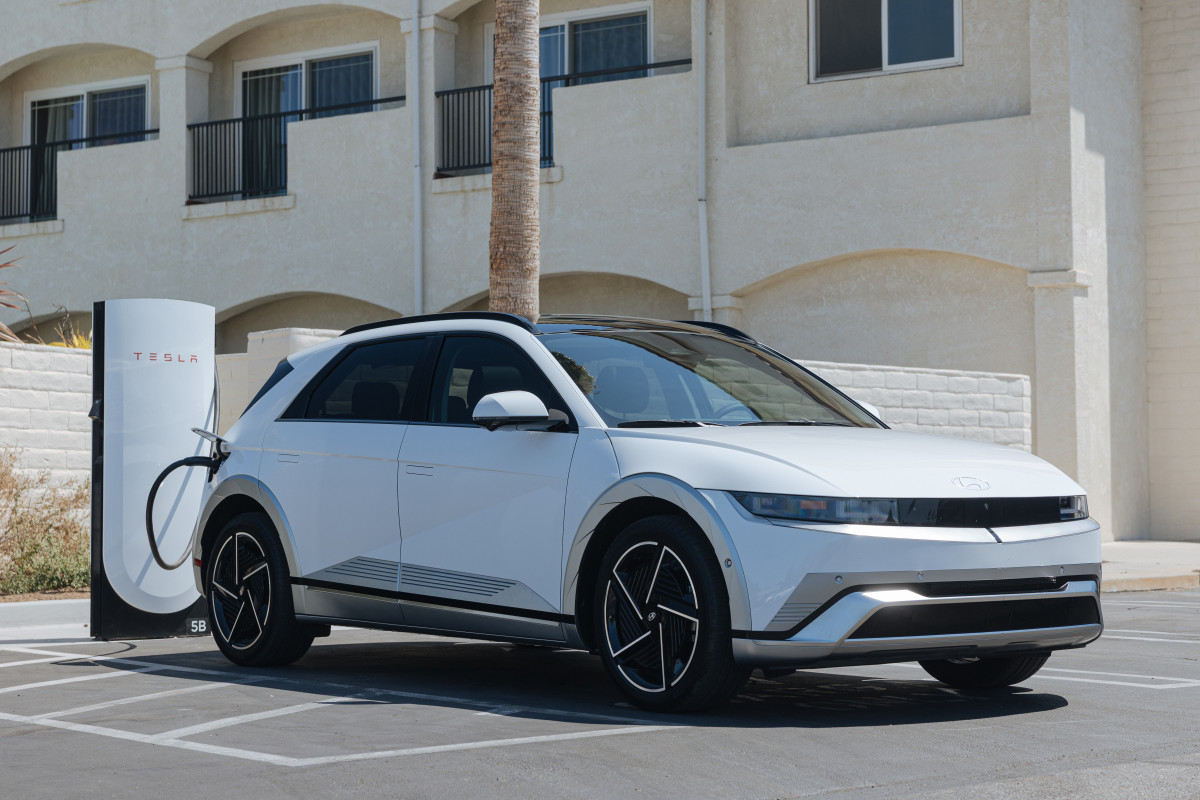
Starting at $42,600, the 2025 Hyundai Ioniq 5 competes strongly among electric vehicles with an impressive maximum range of 318 miles. This model distinguishes itself not only through its distinctive vintage design but also thanks to its rapid-charging capability. It boasts a cutting-edge fast-charging technology able to manage rates up to 350 kW, enabling the vehicle’s 84 kWh battery to charge from 10% to 80% within just about 20 minutes.
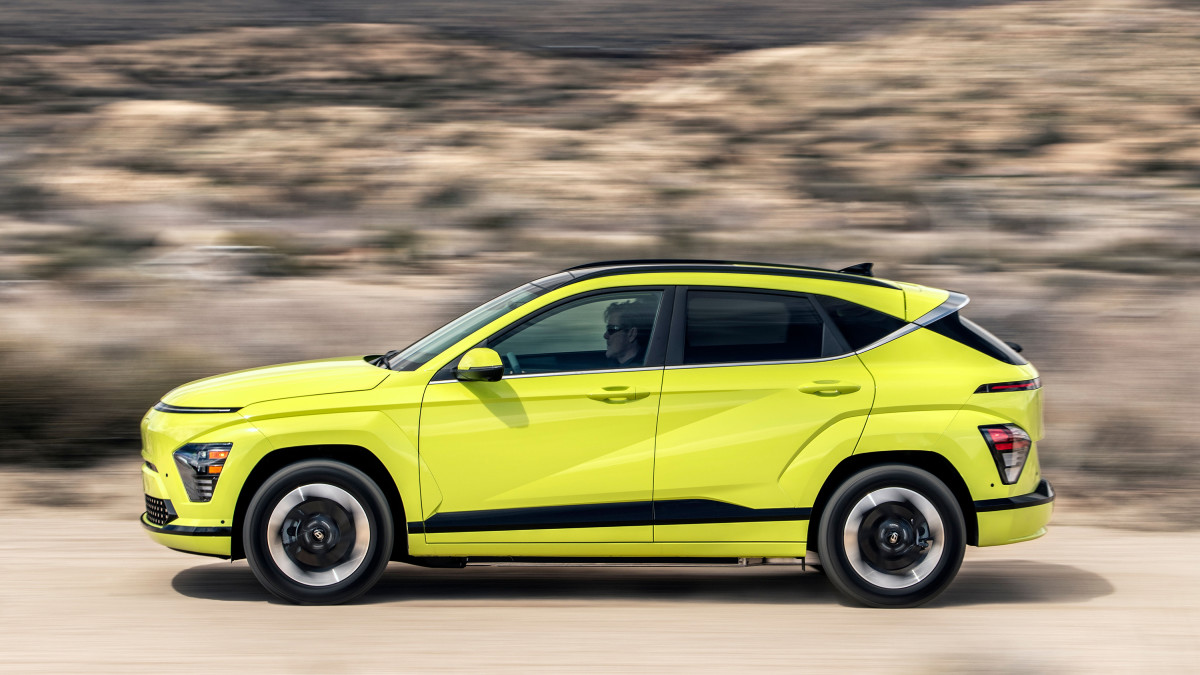
On the contrary, the Kona Electric stands out as a cost-effective electric vehicle with a base price of $32,975. This crossover offers an impressive range of up to 261 miles, which makes it quite competitive, particularly considering its under-$35,000 sticker price. Additionally, the Kona Electric comes equipped with rapid charging capabilities, allowing for an 80% charge in just 43 minutes via DC fast charging.
Before closing down in April, Hyundai briefly paused production in February because of sluggish domestic sales figures. In January, the company managed to sell only 75 Ioniq 5 vehicles in South Korea. Similarly, in 2024, the Ioniq 5 failed to meet targets domestically, with total sales amounting to 16,600 units within the manufacturer’s home market.
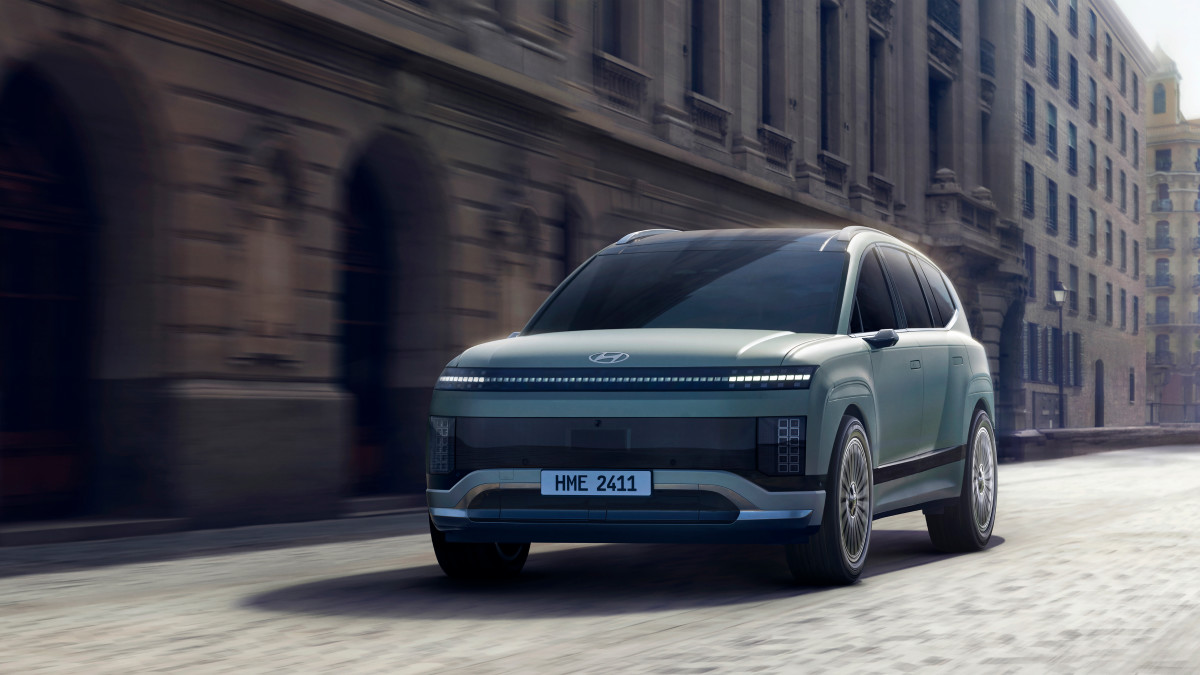
Although the manufacturing operations at the South Korean plant might have paused temporarily, everything remains normal at the U.S.-based facilities. In Georgia, Hyundai’s Metaplant manufactures both the Ioniq 5 and the Ioniq 9 electric vehicles. Meanwhile, the Kona Electric is shipped from South Korea to multiple regions such as the United States and Europe.
In late March, Hyundai declared an investment of $21 billion in the United States. This sum will be utilized for establishing a new steel facility, boosting manufacturing capabilities within the country, and broadening collaborations with American businesses.
Hyundai is providing bonuses to boost sales.
The decline in electric vehicle sales primarily stems from nations modifying their approaches to adopting EVs. Recently, both the U.S., Canada, and various European markets like Germany have altered their incentive schemes, which previously boosted EV purchases. Additionally, the potential imposition of tariffs and alterations in EV policies under the Trump administration has further impacted this trend.
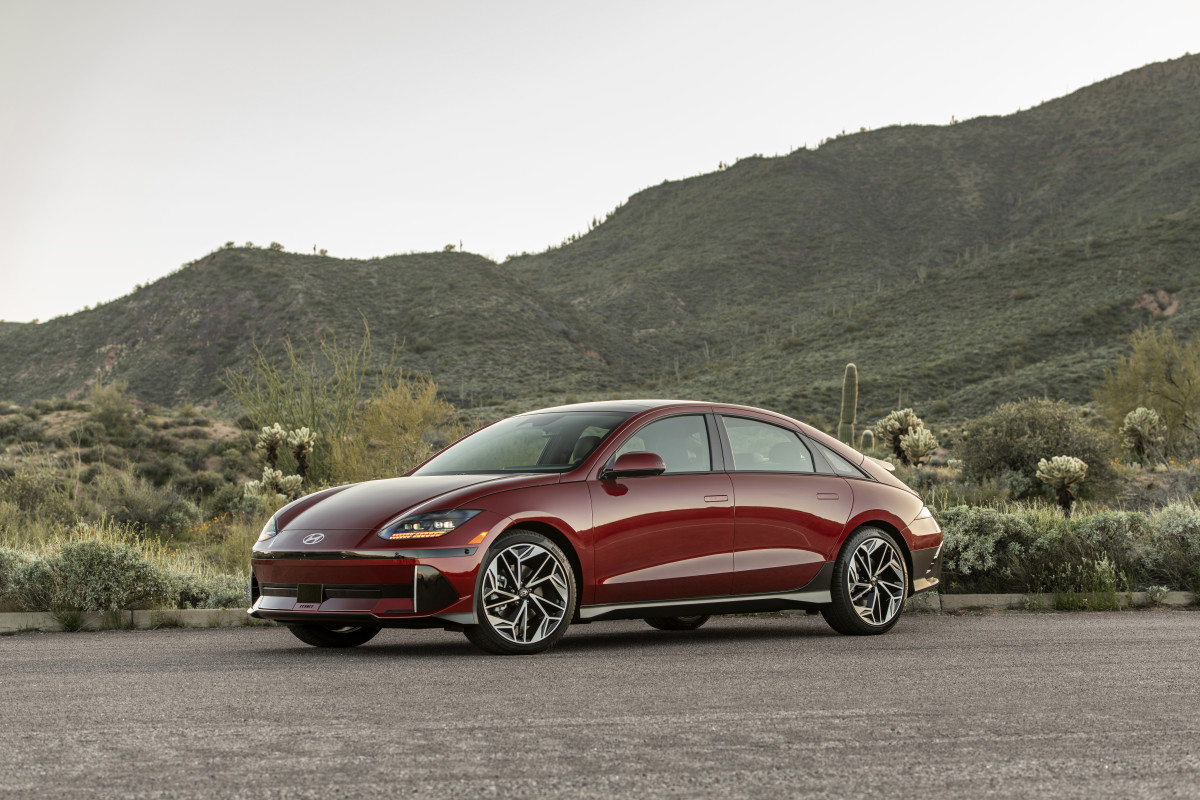
Following slow electric vehicle sales, Hyundai has introduced zero-interest financing offers in North America along with down payment aid in various parts of Europe. However, these incentives have not been as successful as the company from South Korea anticipated.
Earlier this month, Hyundai announced that it would maintain the suggested retail prices for its present models unchanged up till June 2nd. This initiative aims to alleviate customer worries about car pricing due to the uncertainties brought on by tariffs.
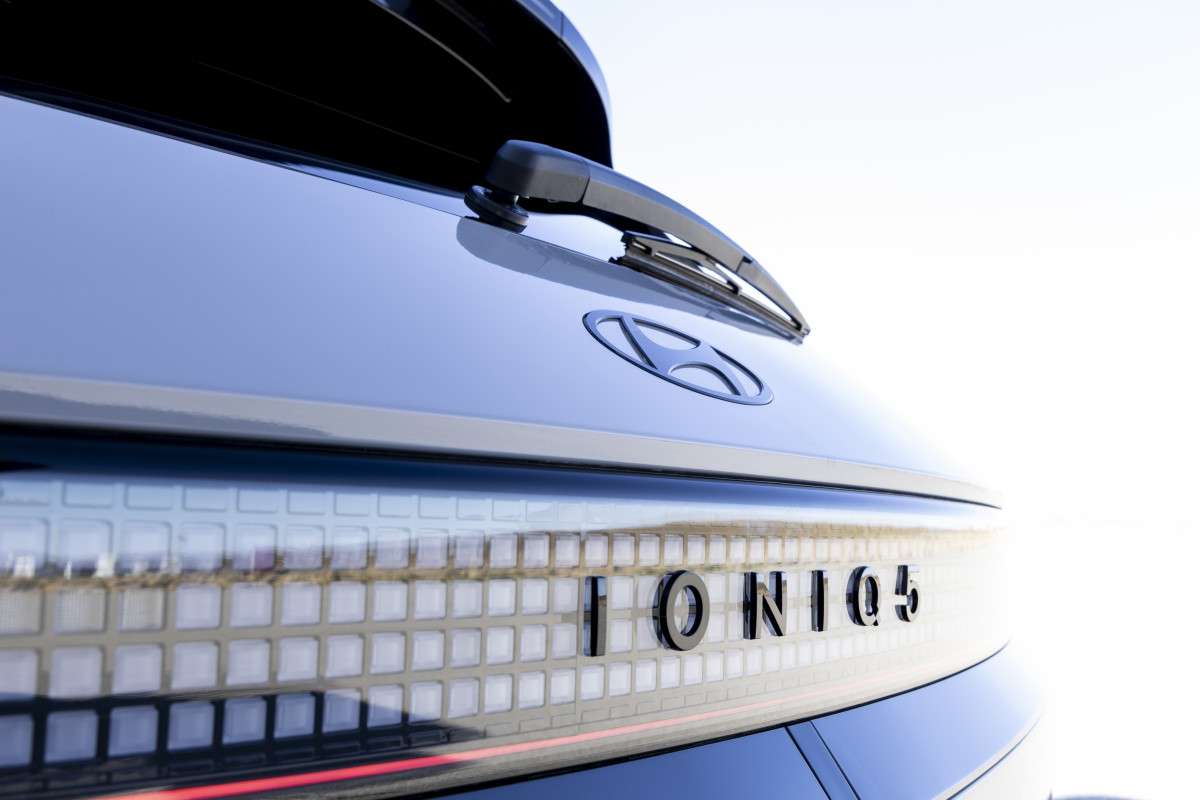
Hyundai isn't the sole carmaker aiming to boost new vehicle sales with enticing offers. Ford intends to provide employees' discounts to every buyer until June 2nd, whereas Stellantis is offering either staff prices or monetary rebates up till April 30th.
Final thoughts
Hyundai had a stellar performance in the U.S. last year; however, this isn't reflected in its home country. In February, production at the South Korean company faced interruptions because of sluggish domestic sales. Now, these declining numbers are also affecting its overseas markets. Uncertainty and inconsistency in government policies concerning electric vehicles (EVs) have contributed to a tepid market response. There are still eight months remaining in 2025, providing room for EV sales to recover. Despite this, with Tesla experiencing plummeting sales, Hyundai could seize greater market shares—provided they find effective ways to motivate buyers.

Post a Comment for "Hyundai Halts Electric Vehicle Production in South Korea Once More"
Post a Comment