
MC Hammer's $70M Loss and Comeback: The Rise and Fall
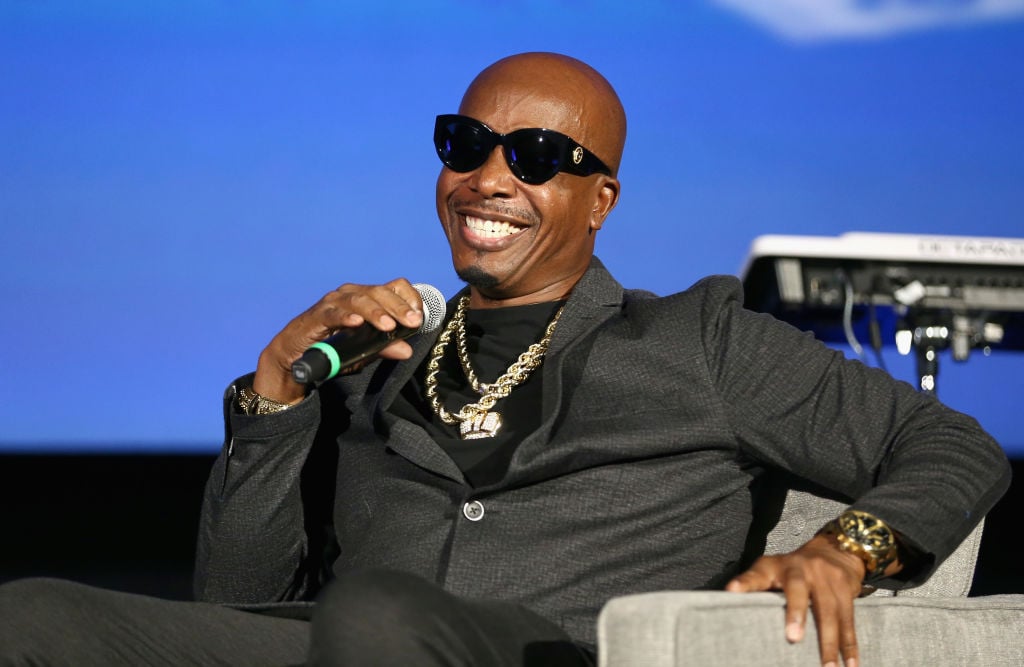
Early Life and Creative Beginnings
Stanley Kirk Burrell, known professionally as MC Hammer, has a rich history that began in Oakland, California. From a young age, he showed a passion for creative expression. His early years were marked by financial struggles, as his father, Lewis Burrell, faced challenges with gambling addiction. Despite these hardships, Hammer found ways to earn money by performing dance routines at the Oakland Coliseum. His talent caught the attention of the team owner, Charles Finley, who hired him as a batboy. This experience led to the nickname “MC,” short for “Master of Ceremonies.”
Hammer also developed a connection to baseball, earning the moniker “Hammer” due to his resemblance to Hank Aaron, a legendary player. After high school, he served in the Navy as an aviation storekeeper. These early experiences laid the foundation for his future career in music.
The Rise to Fame
MC Hammer's journey into the rap industry began during his time working at the Oakland Coliseum. He started performing at small venues around the area, eventually catching the attention of Capitol Records. With the support of former Oakland A’s players Mike Davis and Dwayne Murphy, he borrowed $20,000 to launch his own record label, Bustin’ Records. The label released two albums, "Feel My Power" (1987) and "Let’s Get It Started" (1988), which gained traction and led to a significant deal with Capitol Records.
In 1990, Hammer released his breakthrough album, "Please Hammer, Don’t Hurt Em," which became the first hip-hop album to achieve diamond status. The album sold over 10 million copies and featured the hit single “U Can’t Touch This.” The song's iconic dance, “The Hammer Dance,” became a cultural phenomenon. The album earned Hammer two Grammy Awards and several other accolades, solidifying his place in music history.
Financial Challenges and Bankruptcy
Despite his early success, MC Hammer faced significant financial challenges. In 1996, he filed for bankruptcy due to excessive spending. At his peak in 1991, he earned $33 million, which is estimated to be around $70 million today. However, his lavish lifestyle led to substantial debt, including a $12 million mansion, a large entourage, and expensive stage productions.
The bankruptcy filing revealed debts totaling around $10 million. Although he managed to pay off most of his obligations, he still owed the IRS $800,000 in back taxes. Reports indicated that the IRS demanded additional penalties, but Hammer eventually settled the matter by paying $7 million in expected dues in 2007.
Transition to Technology and Investments
After his financial setbacks, MC Hammer shifted his focus to technology and investing. His interest in tech began during the 1990s when he recognized the potential of online platforms. This led to his involvement in the development of YouTube and other tech ventures. In 2007, he co-founded DanceJam, a dance website, and served as its Chief Strategy Officer until it closed in 2011.
Hammer also invested in several prominent tech companies, including X (formerly Twitter), Square, and Bump Technologies. He provided strategic advice to startups and collaborated with industry leaders like Tim Westergreen and Salesforce. These investments helped him rebuild his net worth and establish a presence in Silicon Valley.
Current Net Worth and Lifestyle
As of recent estimates, MC Hammer’s net worth is approximately $2 million. This figure reflects his efforts to recover from past financial difficulties through smart investments and continued performances. He currently resides in Tracy, California, with his wife, Stephanie, and their five children. He remains active on social media and continues to perform at music venues.
In addition to his personal life, Hammer has made appearances on television, including the A&E series "Hammertime" from 2009 to 2010. His story serves as a reminder of the ups and downs of fame and the importance of financial management. Despite his challenges, MC Hammer has shown resilience and adaptability, proving that even after a major setback, one can find new opportunities and reinvent themselves.

Post a Comment for "MC Hammer's $70M Loss and Comeback: The Rise and Fall"
Post a Comment