
10 Essential Gasoline Facts You Need to Know
Understanding Fuel Choices and Their Impact
When it comes to choosing the right fuel for your vehicle, there are several factors to consider. From the type of gas you use to how you store it, each decision can affect your car's performance and longevity. Let’s explore some common questions and misconceptions about fuel.
Premium vs. Mid-Grade Fuel: Is It Worth the Extra Cost?
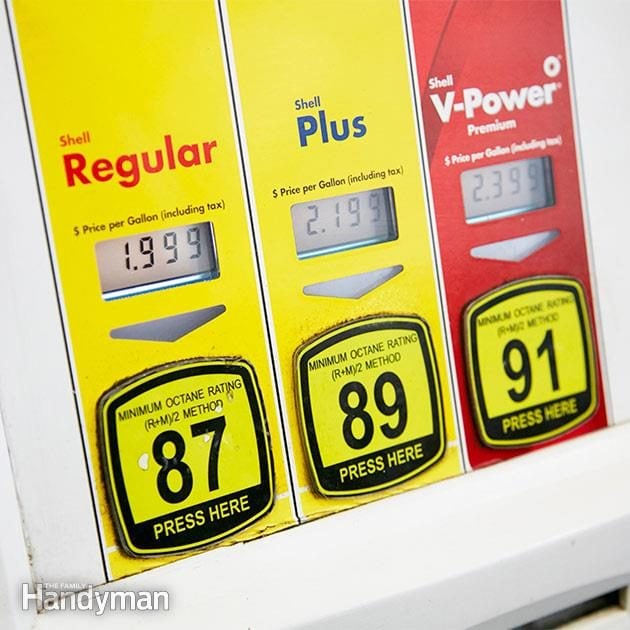
Premium gas is often seen as a more powerful option, but this isn't necessarily true. It doesn't provide more power or contain better additives than regular gas. In fact, all grades of gasoline contain the same amount of ethanol. The main difference is that premium gas resists detonation (knock) better than lower-octane fuels. However, this doesn’t mean it offers superior performance.
Some brands may add slightly more detergent additives in their premium gas, but all grades meet the minimum requirements set by the Environmental Protection Agency (EPA). The best approach is to follow the recommendations in your owner’s manual. If your vehicle requires or recommends 89- or 93-octane fuel, using that grade will ensure optimal performance and fuel efficiency. There is an exception, though: if you have an older car designed for 87-octane gas and it knocks when you accelerate, trying 89-octane fuel might help reduce the knocking and improve engine performance.
Storing Gasoline: How Long Can It Last?
If you're storing gasoline for small engines, it's important to use a tightly sealed container with some space at the top for expansion. This can keep the fuel viable for a season. However, if the container doesn't seal properly or you leave the spout open, airborne moisture and condensation can cause ethanol separation, oxidation, and gum formation. These issues can damage the carburetor and fuel lines.
To prevent these problems, adding a fuel stabilizer to fresh gas can help reduce the risk of degradation. However, it's not a substitute for proper handling. Investing in a high-quality gas container is a more cost-effective solution than dealing with repairs from poor storage practices.
Are There Any Gas Additives That Are Worth Using?
While there are no "magic" additives that significantly boost fuel efficiency, some owners choose to use fuel-system cleaning additives periodically. These products can help maintain the health of your engine. The most effective ones contain polyisobutylamine (PIBA) and polyetheramine (PEA), so look for those ingredients on the label. Always follow the manufacturer's instructions for application rates. Avoid other types of additives, as they may not be beneficial or could even harm your engine.
Major Brands vs. Lesser-Known Brands: What’s the Difference?
In the past, major brands had a noticeable edge over lesser-known stations. Today, the differences between brands are minimal. All gasoline sold in the United States must meet EPA standards for fuel-system cleaning additives. While there may be slight variations in performance based on individual vehicles, it's difficult to claim one brand is universally better than another.
Gasoline is a complex blend of over 150 components, and each brand has its own formula. This means that one brand may perform better in your car than another, but it might not do the same in a different vehicle. Ultimately, the best choice depends on your specific needs and the recommendations of your vehicle's manufacturer.
Disposing of Old Fuel: What’s the Right Way?
If you have old gasoline, you can mix up to one gallon into your vehicle’s tank, provided the tank is nearly full to dilute the old fuel. However, for two-cycle engines that use premixed fuel, it's essential to take the old fuel to a hazardous waste recycling center. Never add it to your car or truck, as it can cause serious damage.
Non-Oxygenated Gas: What Is It and Why Does It Matter?
Non-oxygenated gas, also known as nonoxy gas, does not contain ethanol. This makes it ideal for engines that are stored for long periods, as ethanol can cause corrosion. It’s particularly useful for older boats not designed for ethanol-based fuels. However, non-oxygenated gas still oxidizes over time and can form gum, so it should be treated with a fuel stabilizer and stored properly.
Summer vs. Winter Blends: What’s the Difference?
The formulation of gasoline changes depending on the season. During colder months, refiners adjust the blend to include more butane and lighter hydrocarbons, which helps the fuel vaporize more easily. In warmer weather, they return to a standard summer blend. This is another reason to use seasonal fuel and avoid keeping it for more than one season.
E-85 Fuel: Is It the Best Option for Flex-Fuel Vehicles?
Flex-fuel vehicles can run on both E-10 (10% ethanol) and E-85 (85% ethanol) gasoline. However, E-85 has a lower energy content, resulting in approximately 27% fewer miles per gallon compared to E-10. While E-85 may offer cost savings when E-10 prices are high, the reduced fuel efficiency must be considered. Your wallet may feel the difference, but your vehicle won’t care which fuel you choose.
Regular vs. Premium Fuel for Small Engines
Some people mistakenly believe that premium fuel is better for small engines, thinking it’s ethanol-free or improves performance. In reality, 95% of all gasoline sold in the U.S., including premium, contains ethanol. Most small engines don’t have computer systems to compensate for different fuel types, so it’s best to use the fuel recommended by the manufacturer. In many cases, regular fuel works best for small engines.
Using Modern Gas in Older Cars
Modern unleaded gasoline is generally safe for most vehicles, but older cars designed for leaded fuel may require special attention. Tetraethyl lead was used in pre-1970 vehicles to increase octane and reduce valve seat wear. If you own an older vehicle, you have three options: use a lead substitute, rebuild the cylinder heads with harder valve seats, or simply use unleaded gas and plan for future repairs.

Post a Comment for "10 Essential Gasoline Facts You Need to Know"
Post a Comment