
12 Top Non-Perishable Foods for Optimal Health, Per Experts
Essential Non-Perishable Foods for a Healthy Pantry
Maintaining a well-stocked pantry with non-perishable foods is essential for ensuring nutrition and convenience, especially during times of uncertainty. These items not only provide long-term storage but also offer significant health benefits. Here are some top picks that can support a balanced diet and promote overall wellness.
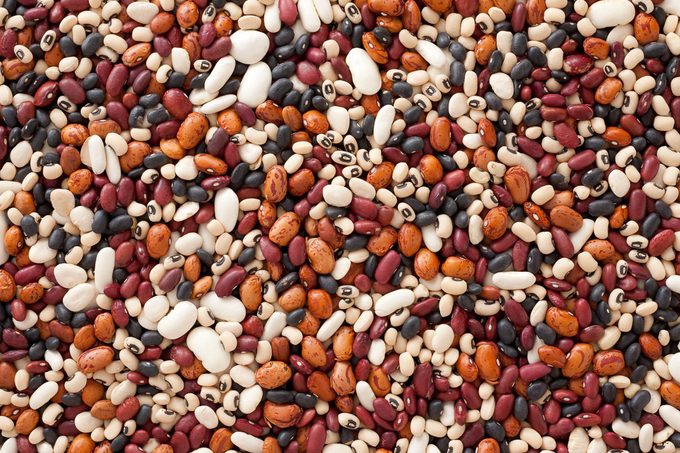
1. Dried Beans (Lentils, Black Beans, Chickpeas)
Dried beans are an affordable and nutrient-dense option that can be stored for extended periods. They are rich in protein, fiber, and iron, making them a great choice for plant-based diets. Their versatility allows them to be used in various dishes such as soups, stews, grain bowls, salads, and veggie burgers. When stored properly in airtight containers in a cool, dry place, they can last between two to three years.
2. Dried Pasta
Pasta is a staple in many households due to its comfort and functionality. It provides complex carbohydrates that aid in digestion, blood sugar control, and weight management. Many types of pasta are fortified with B vitamins, which support cellular energy and nervous system function. To maintain quality, store it in its original packaging in a cool, dark place away from moisture. Its shelf life is up to two years.
3. Rolled Oats
Oats are a go-to non-perishable food known for their health benefits. They contain soluble fiber, which helps manage cholesterol and blood sugar levels. As a slow-digesting carbohydrate, oats promote fullness and sustained energy. Store them in a sealed container away from heat and moisture. Their shelf life is one to two years, and they can be used in overnight oats, baked goods, or homemade granola.
4. Brown Rice or Quinoa
Whole grains like brown rice and quinoa are packed with nutrients, including fiber, B vitamins, and essential minerals. Quinoa is a complete protein, containing all nine essential amino acids, making it ideal for plant-based diets. Brown rice typically lasts six months to one year, while quinoa can last longer if stored properly. Keep them in airtight containers in a cool, dark place, and consider refrigeration or freezing to extend freshness.
5. Low-Sodium Canned Vegetables
When fresh produce is unavailable, canned vegetables are a convenient alternative. Opt for low-sodium versions to avoid excess salt. Be mindful of potential BPA in can linings and choose BPA-free options when possible. These vegetables can be used in stir-fries, soups, casseroles, and pasta sauces. Their shelf life ranges from one to five years.
6. Nut Butters (Natural Peanut or Almond)
Nut butters are a good source of unsaturated fats that help lower LDL cholesterol and promote satiety. Choose natural options with minimal added sugars, salt, or oils. Store them in the pantry unopened for six to twelve months, and refrigerate after opening. They can be used in smoothies, toast, sauces, and baked goods.
7. Canned Tomatoes
Canned tomatoes offer unique health benefits, including lycopene, an antioxidant linked to reduced cancer risk. They are also high in vitamin C and potassium, supporting immunity and blood pressure. Store them at room temperature in a dry area. Their shelf life is up to two years, and they can be used in pasta sauces, stews, chili, and soups.
8. Dried Fruits (With No Added Sugar)
Dried fruits are a sweet and nutritious option that provides fiber, vitamins, and antioxidants. However, portion sizes and sugar content should be considered. Store them in airtight containers and refrigerate or freeze to extend their shelf life. They can be used in trail mix, baked goods, cereals, and yogurt toppings.
9. Honey
Honey has been used for centuries and offers natural antibacterial and antioxidant properties that support wound healing, immunity, and gut health. It never spoils if stored properly in a food-grade glass or plastic container. Avoid metal containers to prevent oxidation.
10. UHT Shelf-Stable Milk or Plant-Based Alternatives
Ultra-high temperature (UHT) pasteurized milk and plant-based alternatives like almond, oat, or soy have a long shelf life without refrigeration. They are good sources of calcium and support bone health. Store them in a cool, dry pantry until opened, then refrigerate and use within seven to ten days.
11. Low-Sodium Broth
Low-sodium broth serves as a hydrating base that supports immunity and joint health. It can also help replenish electrolytes. Store it in a cool, dry pantry, with a shelf life of one year for canned versions and three to six months for cartons. Use it in soups, sauces, cooking grains, and braising meats.
12. Dried Herbs and Spices
Herbs and spices are rich in antioxidants and anti-inflammatory compounds, offering flavor and nutritional benefits. Store them away from heat, moisture, and light, and consider freezing for extended life. They can enhance the taste and nutrition of various meals, from eggs to sauces to grains.
Tips to Extend the Life of Non-Perishable Foods
Proper storage is crucial for maximizing the freshness and safety of non-perishable foods, especially in areas prone to humidity or power outages. Store items in cool, dry, and dark areas, keeping them off the floor and away from direct sunlight. Use airtight containers to protect against moisture and pests. Label and date your items to make rotation easier. Follow the FIFO method—first in, first out—to reduce waste and keep your stockpile fresh.

Post a Comment for "12 Top Non-Perishable Foods for Optimal Health, Per Experts"
Post a Comment