
3 Appliances to Unplug and 2 to Leave Plugged In
Identifying Common Sources of Energy Waste in Your Home
As electricity costs continue to rise, many homeowners are looking for ways to reduce their monthly utility bills. While investing in energy-saving technology can be a smart move, there's often a simpler and more immediate solution: identifying and addressing common sources of energy waste within your home.
One of the most overlooked issues is the phenomenon of "phantom loads" — the small amounts of energy that electronic devices and appliances consume even when they're not in use. This includes everything from smart plugs to outdated appliances, all of which can contribute to higher energy bills without you even realizing it.
Key Appliances to Unplug for Energy Savings
There are several specific appliances that you should consider unplugging when not in use to cut down on unnecessary energy consumption.
TVs
Modern smart TVs are known for their advanced features, but they also tend to consume energy even when turned off. According to some manufacturers, these devices can draw between half a watt to 3 watts of power in standby mode. If your TV has a small light that remains on constantly, this is a clear sign of energy usage. The only way to completely eliminate this consumption is to unplug the TV when it’s not in use.
Internet Routers
While it might seem essential to keep your internet router plugged in at all times, doing so may not be necessary. Depending on the model, routers can consume anywhere from 5 to 20 watts per hour. By turning off your router during the night or when you're away from home, you can significantly reduce your energy bill, especially in areas with high electricity rates.
Device Chargers
Phone and device chargers are another area where energy is often wasted. Even when not actively charging a device, these chargers can still consume small amounts of power. Over time, this can add up, especially if you leave them plugged in continuously. Additionally, low-quality or counterfeit chargers can pose a safety risk, making it even more important to unplug them when not in use.
Power Strips and Surge Protectors
Power strips and surge protectors are useful tools for managing energy usage, but they aren't always as efficient as they appear. Power strips with lighted switches can still draw power when not in use, so it's best to switch them off or unplug them when not needed. On the other hand, power strips with on-off switches can help prevent energy leakage, but they should not be used for certain types of appliances, such as those that generate heat, have motors, or use compressors.
Appliances That Can Stay Plugged In
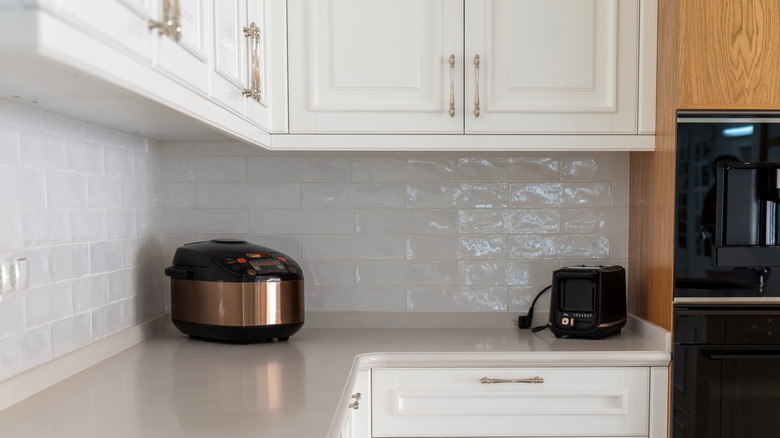
Not all appliances need to be unplugged to save energy. For example, an old-school toaster with no digital screen can safely remain plugged in without contributing to phantom loads. Since it only uses energy when the button is pressed, it doesn’t draw power unnecessarily. This makes it one of the few appliances that can stay connected without affecting your energy bill.
Tips for Reducing Energy Waste
In addition to unplugging specific devices, there are other steps you can take to minimize energy waste:
- Adjust your TV settings to ensure it enters sleep mode after a period of inactivity.
- Turn off your Wi-Fi router when you’re not using it, especially overnight or when leaving the house.
- Avoid leaving chargers plugged in when they’re not in use.
- Use power strips with on-off switches to manage multiple devices efficiently.
By taking these simple steps, you can make a noticeable difference in your energy consumption and ultimately reduce your utility bills.

Post a Comment for "3 Appliances to Unplug and 2 to Leave Plugged In"
Post a Comment