
4 Reasons Behind the Unclear Gaza Tragedy Picture
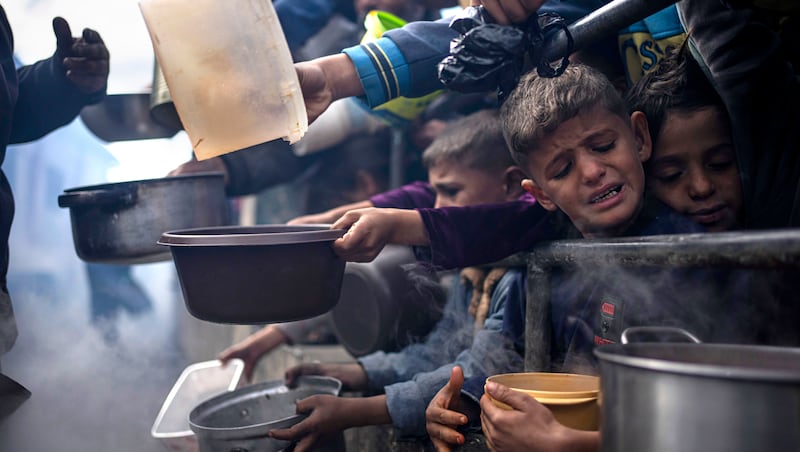
The Complexity of Understanding the Gaza Hunger Crisis
The hunger crisis in Gaza has reached alarming levels, with the World Food Program highlighting the desperate situation. Experts like Yannay Spitzer, an assistant professor at the Hebrew University of Jerusalem, have noted that the conditions in Gaza are unlike anything seen before. However, understanding the true scope of hunger, injury, and death in the region remains a challenge due to several factors.
Challenges in Assessing the Situation
One major issue is the reliability of health data from Gaza. The Gaza Health Ministry, which reports on casualties and medical conditions, is widely believed to be influenced by Hamas. This raises questions about the accuracy of the figures provided. For example, initial reports of a hospital being bombed with 500 deaths were later found to be exaggerated. The New York Times later acknowledged that their coverage relied too heavily on unverified claims from Hamas.
Another challenge comes from the Israeli government and military. Their information can be misleading, either through omission or direct misrepresentation. A recent video released by the Israel Defense Forces showed Hamas members eating well, but it was later revealed to be from a previous year. This kind of misinformation complicates efforts to understand the current situation.
Additionally, other countries have contributed to the spread of disinformation. Reports indicate that Russia, China, and Iran have used state media and social media campaigns to support Hamas and criticize Israel. These efforts have led to a surge in online propaganda, making it difficult to discern the truth.
Journalists covering the conflict also face bias. Palestinian journalists have reported being intimidated by Hamas, while international media often portrays Israel in a negative light. Allegations of "fake massacres" and "rapes" have been circulated, often based on false statistics. Even early in the war, the Israeli response was labeled as a "genocide."
The Role of International Organizations and Aid Efforts
Despite these challenges, there is no denying that hunger is real in Gaza. The Gaza Humanitarian Foundation has distributed over 90 million meals in recent months, but this aid threatens Hamas' control over food distribution. As a result, Hamas has been known to target aid workers and intimidate those accepting food.
Reports from the field describe chaotic scenes at distribution sites, where thousands of people rush to collect supplies. There have been instances of fatal shots fired by Israeli soldiers, who are often overwhelmed by the scale of the crowd and the potential threat of disguised Hamas fighters.
Ongoing Concerns and Conflicting Narratives
While the extent of starvation in Gaza is still unclear, there is growing concern about the destruction in the region. Two Israeli rights groups have raised serious issues regarding the justification for widespread destruction in civilian areas. Scholars like Omer Bartov and A. Dirk Moses have described the situation as a mix of genocidal and military logic.
However, it's important to note that not all criticism of Israel is unfounded. The increasing number of humanitarian pauses and airdropped aid suggest that the threat of starvation is real, even if the exact numbers remain uncertain.
Conclusion
The situation in Gaza is complex, with multiple layers of misinformation, political agendas, and conflicting narratives. While hunger is undoubtedly present, the causes are multifaceted, involving both humanitarian and geopolitical factors. As the conflict continues, the need for accurate information and transparent reporting becomes even more critical.

Post a Comment for "4 Reasons Behind the Unclear Gaza Tragedy Picture"
Post a Comment