
6 Hydration Powerhouses Proven Better Than Water
Staying Cool and Hydrated During the Hottest Days of Summer
As summers continue to grow increasingly hotter, staying cool and hydrated has become more challenging than ever. While it may be difficult to maintain a comfortable body temperature during heatwaves, proper hydration is essential for your body to function correctly and avoid serious health issues.
Dehydration can set in quickly, especially when temperatures rise or humidity levels make the air feel heavy and oppressive. Keeping yourself properly hydrated isn't just about drinking water—it's also about incorporating the right foods into your diet that help replenish fluids and essential minerals.
How to Tell if You're Properly Hydrated
Hydration needs vary depending on factors like your size, activity level, and how much you sweat. According to Gabriela Barreto, a registered dietitian and sports nutritionist, there are two main indicators of hydration: thirst and urine color. "Drinking to thirst is generally appropriate for most people to maintain their hydration levels," she explains. "You should look for a pale yellow color in your urine as a sign of good hydration."
Barreto notes that there are exceptions to this rule. For example, your first urination in the morning may appear darker due to overnight dehydration, and taking vitamin B supplements can cause urine to appear brighter yellow. These cases don't necessarily indicate a problem with hydration.
For individuals with active lifestyles or those who spend long hours outdoors in the heat, Barreto recommends using a hydration supplement like Skratch. This type of product can help boost your body’s water stores. She suggests looking for a formula containing 300 to 500 milligrams of sodium and approximately 20 grams of carbohydrates. While electrolyte drinks without carbohydrates can still aid in rehydration, they may not be as effective. Always check the label to find the best option for your specific needs.
The Most Hydrating Foods to Add to Your Diet
While all foods contain some water, fruits and vegetables are among the most hydrating options. Barreto points out that around 20% to 30% of your fluid needs can come from food, including fruits and vegetables. By eating the recommended daily amounts of produce, you can naturally boost your hydration levels.
Here are some of the top hydrating foods to consider:
Watermelon and Other Melons
Watermelon is not only a summer staple but also one of the most hydrating fruits, made up of 92% water. It contains antioxidants, vitamins A and C, magnesium, fiber, and lycopene. Cantaloupe, another melon, is 90% water and rich in potassium, folate, and vitamins A and C. Barreto suggests trying a cucumber and watermelon salad with lime, mint, and feta cheese to enhance hydration and flavor.
Cucumbers
Cucumbers are 95% water and packed with vitamins K, magnesium, and potassium. They are perfect for salads, sandwiches, or even added to water for a refreshing twist. Their high water content makes them a low-calorie choice that can help you feel full longer.
Squash
Summer squashes like zucchini are 94% water and provide vitamin C, potassium, and fiber. They are versatile and can be used in soups, stir-fries, or as a side dish. Their high water and fiber content helps keep you full and hydrated throughout the day.
Strawberries
Strawberries are 91% water and loaded with antioxidants, vitamins C, manganese, and folate. They are easy to add to smoothies, yogurt, or salads and make a delicious way to quench your thirst while satisfying your sweet cravings.
Lettuce and Other Leafy Greens
Lettuce, watercress, spinach, and bok choy are all high in water content and packed with nutrients. Lettuce is 96% water and provides folate, fiber, and vitamins K and A. Spinach is rich in iron, folic acid, calcium, and vitamins C and A. Watercress offers 100% of the daily recommended intake of vitamin K, which supports blood clotting and bone health. Bok choy is abundant in vitamins K and C.
Citrus Fruits
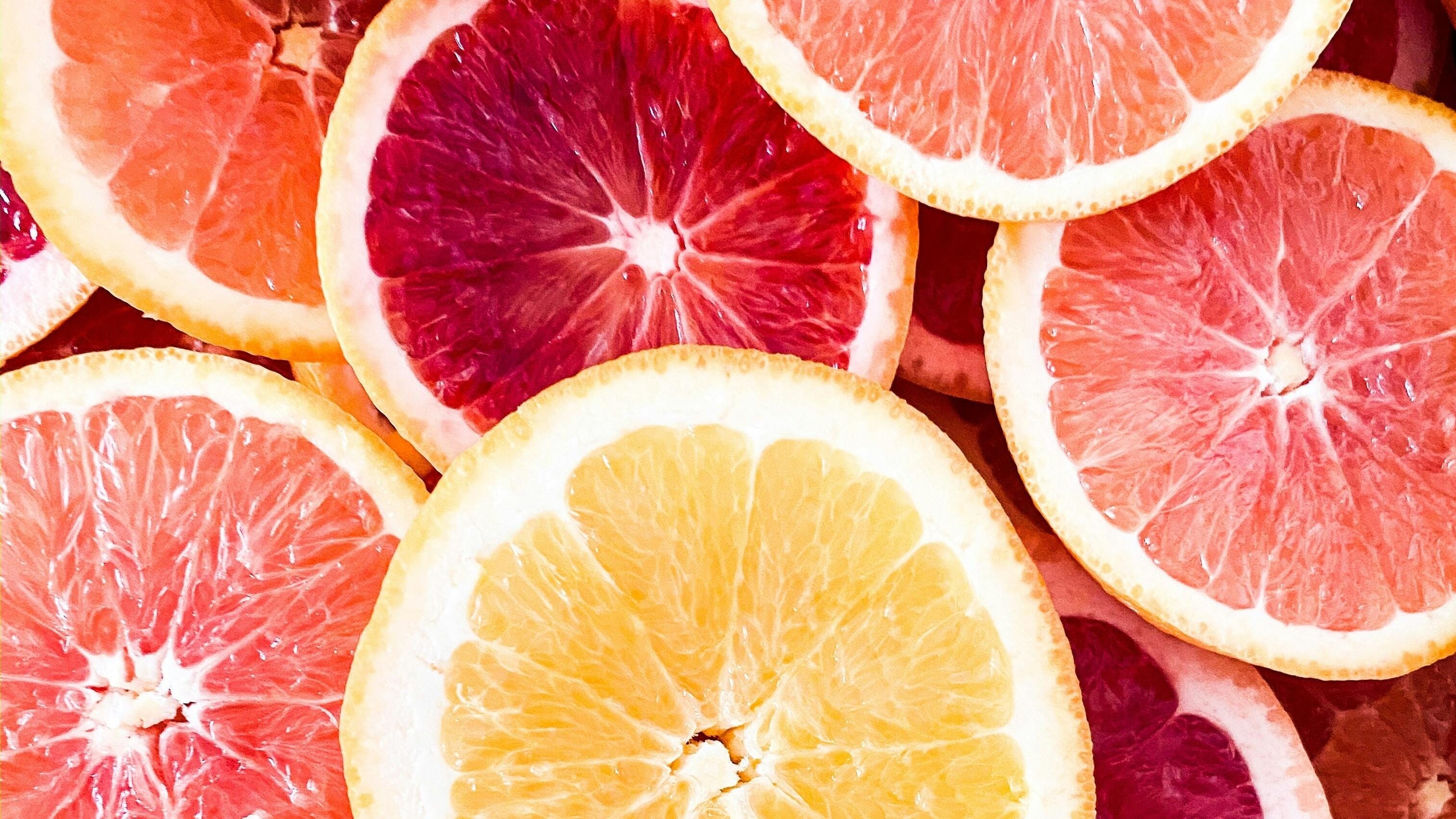
Oranges, grapefruits, limes, and other citrus fruits are around 80% water and high in vitamin C and fiber. They support immune health and can be added to fruit salads, eaten on their own, or used in marinades for proteins like chicken or fish.
Incorporating these hydrating foods into your diet can help you stay refreshed and healthy, even during the hottest days of the year. Whether you're enjoying a juicy watermelon slice or sipping on a fresh citrus-infused drink, making smart choices can go a long way in keeping your body well-hydrated and functioning at its best.

Post a Comment for "6 Hydration Powerhouses Proven Better Than Water"
Post a Comment