
C-Section Link to Higher Childhood Leukemia Risk, Study Reveals
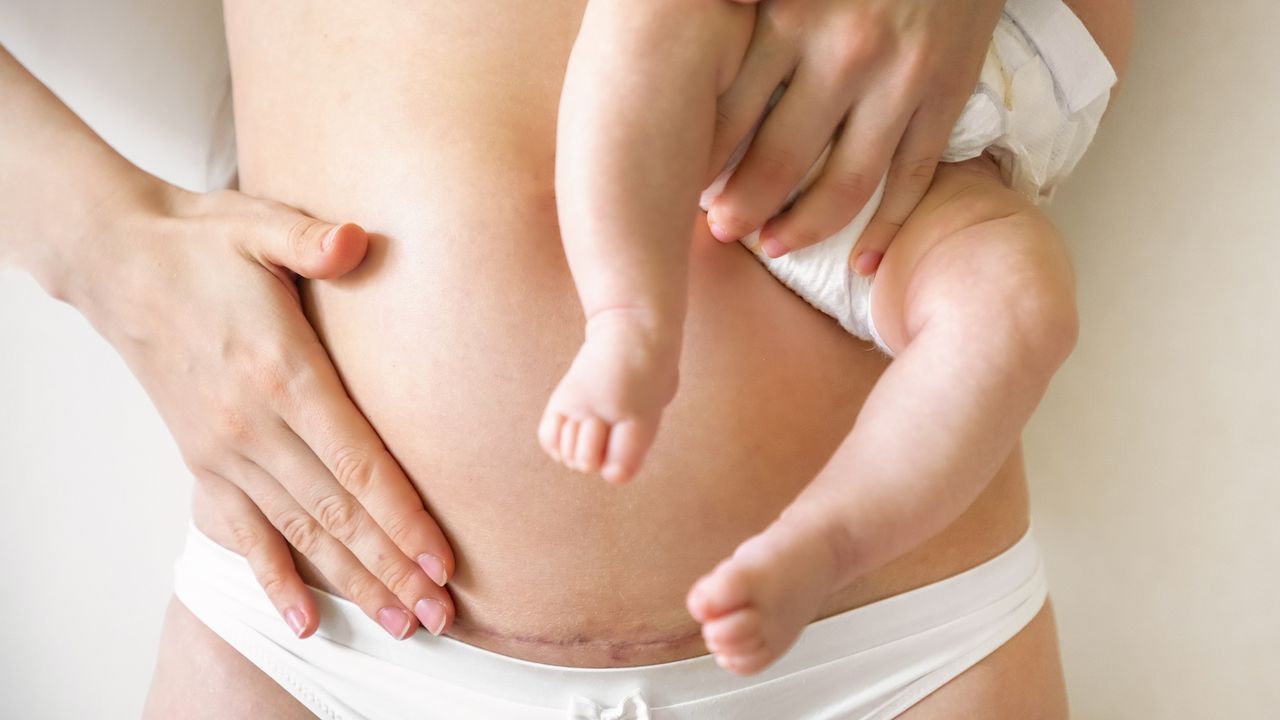
New Study Links Planned Cesarean Sections to Increased Risk of Childhood Leukemia
A recent study has revealed a potential connection between planned cesarean sections and an increased risk of acute lymphoblastic leukemia (ALL) in children. According to the findings, children born via planned C-sections are 21% more likely to develop ALL compared to those born vaginally. This research, conducted in Sweden, aligns with earlier studies that have also identified a link between pediatric ALL and cesarean deliveries.
The study specifically highlights that the majority of the increased risk is associated with planned cesarean sections, which are initiated before labor begins. However, experts emphasize that while the relative risk is higher for these births, the overall likelihood of a child developing ALL remains low. In the United States, approximately 4.8 out of every 100,000 children are diagnosed with leukemia annually.
Joseph Wiemels, a professor of population and public health sciences at the University of Southern California, who was not involved in the study, noted that the risk is still relatively low despite the increased association. He stressed that cesarean sections are a critical and often life-saving procedure in modern obstetric care. Many planned C-sections are performed due to maternal conditions such as preeclampsia or to protect the baby’s health if there are concerns about oxygen levels.
Christina Evmorfia-Kampitsi, the lead author of the study from Karolinska Institutet, emphasized that the findings should not cause alarm when the procedure is medically necessary. She explained that the study controlled for various factors, including maternal age, pregnancy complications, and newborn characteristics, to ensure that the results were not influenced by other underlying conditions.
Understanding the Study's Methodology
Published in the International Journal of Cancer, the study analyzed data from over 2.4 million births in Sweden spanning 20 years. Researchers examined the mode of delivery—vaginal, planned C-section, or unplanned C-section—and considered additional factors such as birth weight, birth defects, and maternal health conditions like diabetes or preeclampsia. They also tracked the incidence of ALL among these children over time.
To account for changes in medical practices and diagnostic methods, the researchers grouped the children based on the decade they were born. This approach helped control for variations in obstetric practices and cancer detection rates over time. Of the 2.4 million children studied, about 15% were born via C-section, with roughly 213,000 of them being planned C-sections. Approximately 1,200 children, or 0.05%, developed ALL during the study period.
The results showed that all types of C-sections were associated with a higher risk of ALL compared to vaginal births. While unplanned C-sections had a slight increase in risk, the highest risk was observed in children born via planned C-sections. The study further categorized planned C-sections into "planned" and "acute," where the latter involves immediate medical needs such as fetal distress. However, the small number of acute cases made it difficult to draw definitive conclusions about their impact on cancer risk.
Potential Explanations for the Link
Experts suggest that the increased risk may be linked to factors related to the birthing process itself. One theory is that babies born via C-section miss out on exposure to beneficial microbes found in the vaginal canal, which may play a role in shaping the immune system. Another hypothesis is that stress hormones released during labor could help eliminate pre-leukemic cells. These hormones are similar to corticosteroids, which are commonly used in leukemia treatments.
Erin Marcotte, an associate professor at the University of Minnesota, explained that while many children are born with pre-leukemic cells, most are able to eliminate them naturally. The mechanisms behind this process remain unclear, but the study raises important questions about how early-life experiences might influence cancer risk.
Despite the findings, the absolute risk of ALL remains low even for children born via planned C-sections. However, the study highlights the importance of considering long-term outcomes when deciding on the mode of delivery. Evmorfia-Kampitsi noted that doctors should be aware of potential risks when a C-section is not medically necessary.
Future Research and Implications
While the study provides valuable insights, more research is needed to confirm these findings in different populations. Daee pointed out that countries with higher C-section rates do not always have higher ALL rates, suggesting that other factors may play a role. The study was conducted in Sweden, and it is possible that similar results may be observed in other regions, but this remains to be confirmed.
In summary, the study adds to the growing body of evidence linking planned C-sections to a slightly increased risk of childhood leukemia. However, it is essential to interpret these findings within the context of the overall low risk and the medical necessity of cesarean sections in many cases. As researchers continue to explore the mechanisms behind this association, the goal remains to better understand and mitigate potential risks while ensuring safe and effective care for mothers and newborns.

Post a Comment for "C-Section Link to Higher Childhood Leukemia Risk, Study Reveals"
Post a Comment