
Cats and Dogs Love Fetch — A Legacy of Their Hunting Instincts
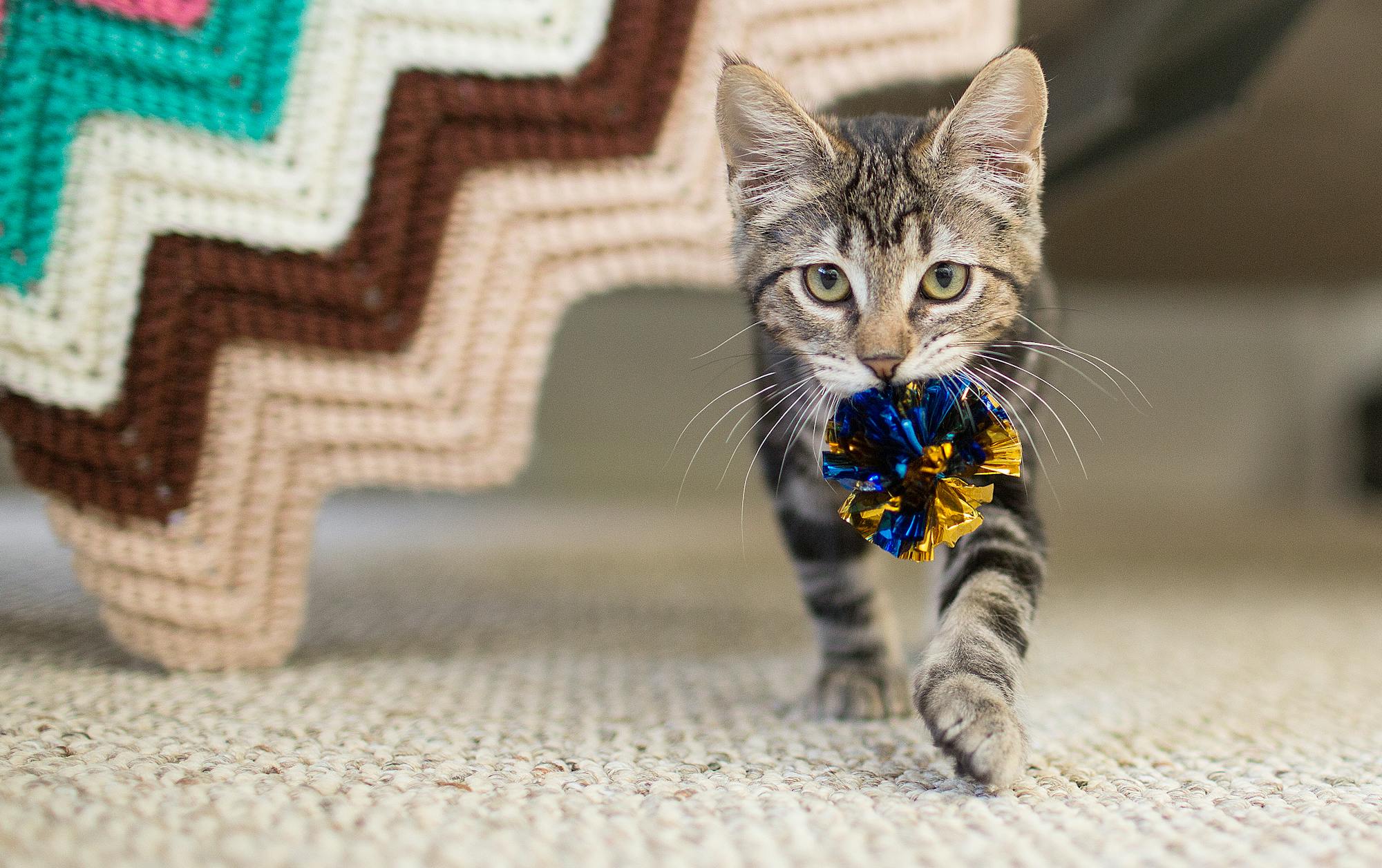
The Curious Case of Cats and Dogs Playing Fetch
While many people are familiar with dogs playing fetch, it might come as a surprise that cats can also engage in this activity. Although their hunting and play styles differ significantly, fetching seems to combine elements of predatory and social behavior for both species. This shared behavior highlights the complex relationship between cats, dogs, and humans.
Despite their different domestication histories and natural behaviors, cats and dogs share several similarities. Both are predators, live closely with humans, and have the capacity to enjoy rich social interactions with us. This connection is especially evident in the way they interact with their human companions during play.
A Growing Interest in Feline Fetching
Recent research has sparked interest in understanding why some cats and dogs engage in fetching. In a newly published study, researchers found that more than 40% of cats described in the survey data played fetch, compared with almost 80% of dogs. The study outlined several possible reasons for fetching, including play, selection during domestication, and learning effects.
Prior to this study, there was very little scientific attention given to fetching behavior in cats. However, a 2023 study by British researchers explored key characteristics of fetching in cats. They surveyed 924 owners of cats that fetched and found that the cats would retrieve a wide variety of objects, from pet toys and balls of paper to pens, bottle caps, and even shoes. What was most intriguing was that the cats generally were not trained to fetch—they offered the behavior spontaneously. Cats also preferred to start the fetch game themselves and were more likely to play when they brought a toy to their human, rather than the human tossing a toy.
Fetching in Dogs: A Common Play Behavior
Fetch is one of the most common forms of play between dogs and humans. Many dogs have been bred and selected specifically for assisting human hunts by retrieving prey. Despite this, the study revealed that fetching behavior in dogs had rarely been addressed in dog behavior studies.
To help fill this gap, a research group collaborated with University of Pennsylvania researcher James Serpell. He developed two survey-based tools to assess dog and cat behavior. These surveys included basic questions about each animal’s breed, age, and living environment, followed by dozens of questions about their behavior, including traits such as predatory behavior, sociability with humans, activity level, and fearfulness. Both surveys also included questions about fetching.
Using these survey results, the researchers analyzed data from thousands of cat and dog owners to explore how common fetching is and what characteristics of a cat or dog and their environment are likely to predict fetching.
Key Findings from the Study
The study found that fetching was much more common in cats than previously thought. Over 40% of cat owners had a cat that “sometimes, usually, or always” fetched. For comparison, the study provided the first estimate of the prevalence of fetching behavior in dogs. Almost 78% of dogs represented in the data were reported to fetch.
Interestingly, being male was associated with increased fetching in both species. Being older and having health problems decreased the likelihood that either cats or dogs would be fetchers. And for both species, sharing a home with a dog made the animal less likely to fetch.
Breed differences were also observed, especially among dogs. Breeds known for being responsive to human instructions and taking interest in toys, such as German shepherds, golden retrievers, and Labrador retrievers, were among the most likely breeds to fetch. In contrast, hounds and livestock guard dogs were among those least likely to fetch.
Fetching was correlated with trainability in dogs, regardless of breed, pointing to the potential importance of early selection of dogs to be human helpers, long before we started developing dog breeds.
Understanding the Roots of Fetching
The roots of fetching behavior lie in both species’ hunting practices. Cats are known as stalk-and-rush hunters, meaning they sneak up on their prey and pounce at an opportune moment. Dogs are believed to be pursuit predators that chase prey over longer distances.
Development of breeds has altered dogs’ typical predatory behavior sequence, which goes like this: orient, eye, stalk, chase, grab-bite, kill-bite. Dog breeds that have been bred for exaggerated or increased “chase and/or grab-bite” behavior—such as pointers and retrievers—are more likely to fetch and less likely to complete the predatory sequence and “kill-bite.”
But both cats and dogs will carry prey items away from the kill site, which may also partially explain how a behavior such as fetch could arise.
The Social Side of Cats
Although cats often are viewed as independent and aloof, recent studies have found that cats can show attachment to humans, pick up social cues from humans, and even recognize their owner’s voice. Researchers hope that this study further encourages people to understand that cats are capable of loving relationships with humans, especially when these popular pets are well socialized and provided with an enriched and safe environment.
Including fetching, if your cat is so inclined, can be a fun and rewarding experience for both you and your feline companion.
A Shared Behavior with a Human Touch
For all of the differences between dogs and cats, it's charming that they have converged on a similar behavior—fetching. Fetching also highlights the effect of the human-animal relationship. Humans clearly play an important role in fetching behavior, even if dogs and cats simply perceive us as the thing that makes the toy move so they can chase it.

Post a Comment for "Cats and Dogs Love Fetch — A Legacy of Their Hunting Instincts"
Post a Comment