
Dan Weisberg on Literacy, Migrants, and Leaving His Post in NYC Schools
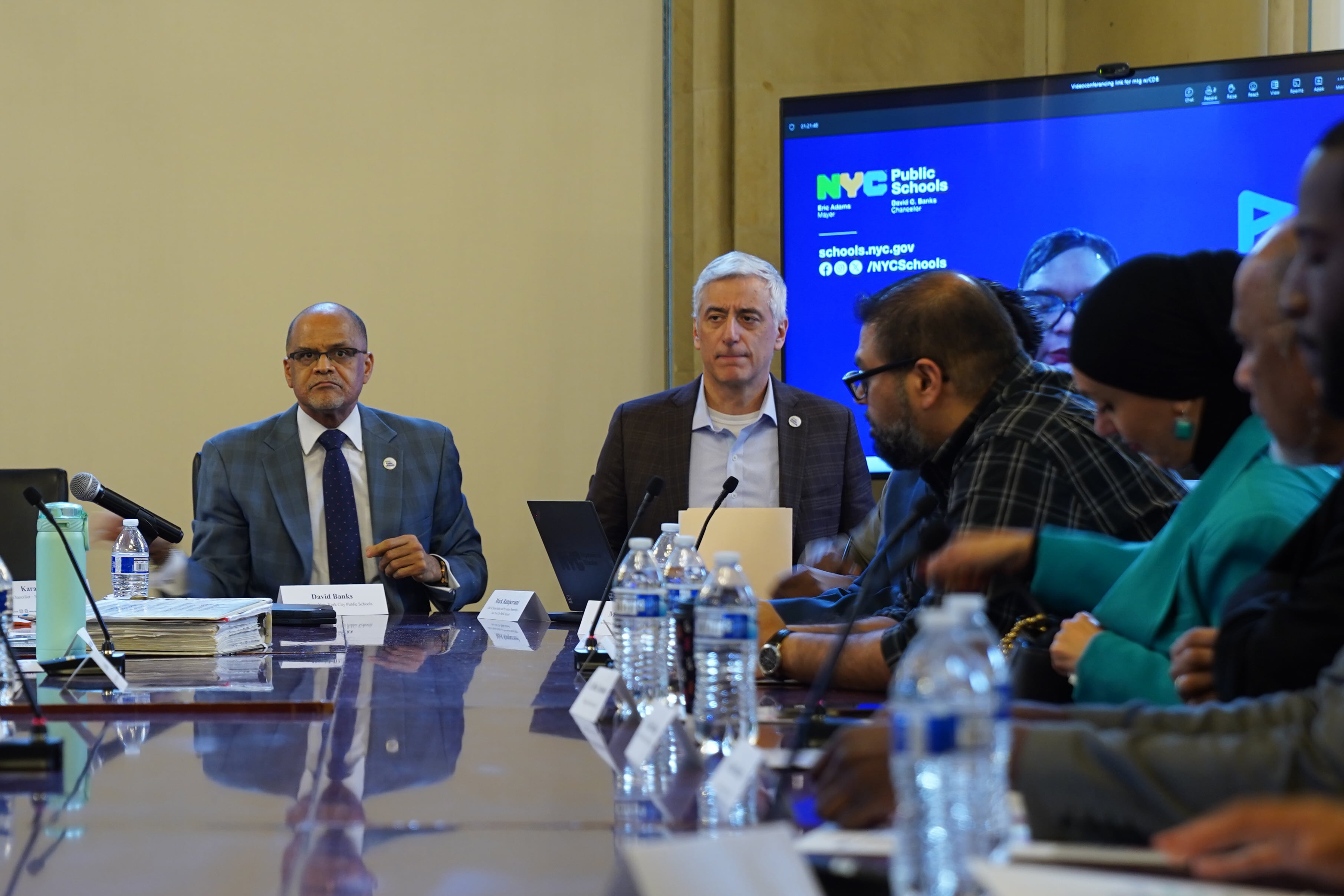
A Comprehensive Look at Dan Weisberg’s Impact on NYC Public Schools
Dan Weisberg, who has served as the second-in-command in New York City’s Department of Education for three and a half years, is stepping down from his role. His tenure has been marked by significant initiatives, including overseeing curriculum overhauls, opening 28 new schools, and supporting the elevation of Melissa Aviles-Ramos to the top position in the nation’s largest school system.
Weisberg's responsibilities have included managing major education projects such as NYC Reads and Solves, which focus on improving reading and math curricula, and the pathways program aimed at connecting students with career opportunities before graduation. His leadership has been praised by Aviles-Ramos, who highlighted his dedication, innovation, and commitment to equity in the schools.
Despite his achievements, Weisberg has faced criticism from some advocates who argue that the Education Department has not prioritized school integration. Some policies have raised concerns about potentially worsening existing issues. Weisberg began his career in the department during the Bloomberg administration, often clashing with the teachers’ union, though recent efforts to expand teacher training have garnered praise.
As Weisberg prepares to leave the department next month, he shared insights on various aspects of the city’s education system. He emphasized the importance of long-term strategies, noting that progress in academic performance will take time. While there has been some improvement, more than 60% of Black and Latino students still do not meet proficiency standards in reading and math.
Weisberg believes that fundamental changes in teaching methods are necessary for lasting impact. He expressed confidence that sustained efforts will lead to significant gains over the next eight years, benefiting all students, including those with disabilities and multilingual learners.
The implementation of these changes faces challenges, particularly due to political transitions. Weisberg stressed the importance of effective implementation and listening to educators on the ground. He believes that if the current approach is supported by teachers and principals, future administrations are unlikely to alter it.
When asked about unmet goals, Weisberg acknowledged the difficulty of achieving rapid progress in a complex system. He highlighted the focus on key priorities such as NYC Reads, NYC Solves, and student pathways. While progress has been made, scaling these initiatives remains a challenge.
Regarding Zohran Mamdani’s proposal for free child care, Weisberg recognized the importance of access to child care but noted the complexity of implementing such a system. He emphasized the need for collaboration with community-based organizations and the challenges of managing demand fluctuations.
On the topic of mayoral control, Weisberg argued against ending the current governance system, citing its effectiveness compared to previous models. He acknowledged frustrations with bureaucracy but maintained that the current structure has led to better outcomes.
Immigration plays a critical role in sustaining school enrollment. Weisberg expressed concern about potential declines in immigrant student enrollment due to federal immigration policies. He emphasized the importance of continued immigration for the city’s schools.
The class size mandate presents another challenge. Weisberg defended the department’s compliance with the law and highlighted the need for hiring thousands of new teachers. He acknowledged the strain on the talent pipeline and the necessity for innovative solutions.
Opening new schools has been a priority, driven by community demand rather than administrative decisions. Weisberg emphasized the importance of responding to what families want, while also addressing concerns about academic segregation and declining enrollment.
Looking ahead, Weisberg plans to take some time off with family before returning to the field in an unknown capacity. His departure marks the end of an era for the city’s public schools, leaving behind a legacy of reform and resilience.

Post a Comment for "Dan Weisberg on Literacy, Migrants, and Leaving His Post in NYC Schools"
Post a Comment