
Does Social Media Train Us to Diagnose Conditions We Don't Have?
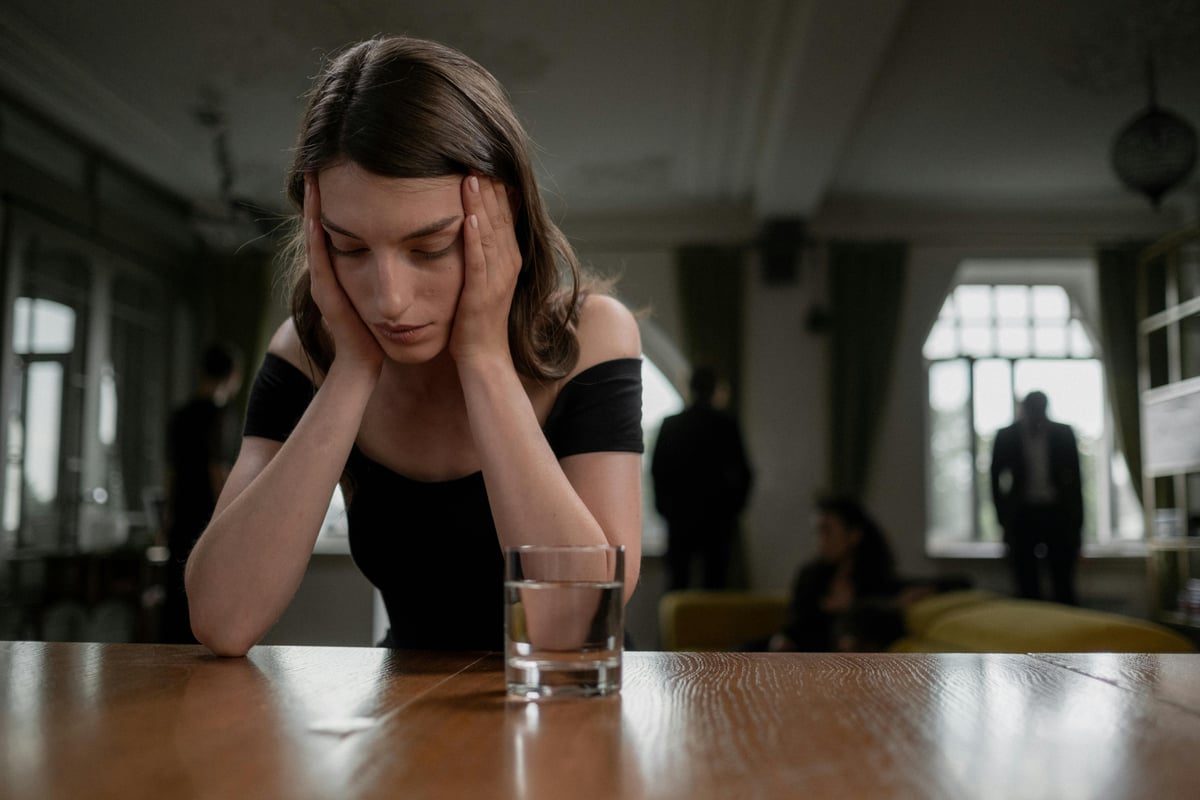
The Rise of Self-Diagnosis and the Need for Mental Resilience
A few days ago, a friend received a message from her 16-year-old daughter asking, “Mum, do I ever seem narcissistic? I just did a TikTok quiz.” This wasn’t the first time the teenager had questioned her mental health—she had previously wondered if she might need therapy for ADHD or Borderline Personality Disorder. Her mother responded with a wry smile, replying, “No, but these questions are certainly giving me anxiety.”
While it’s true that teenagers can be self-centered, this particular girl doesn’t have a personality disorder, and at her age, even the most experienced professionals would be cautious about making any diagnosis. What we all have, however, is access to smartphones, constantly feeding us a stream of social media posts that present mental health conditions like menu choices.
Understanding our minds better is not inherently bad. In 2025, people are more open than ever about personal struggles and more likely to seek help rather than try to push through alone. But this openness comes with a new challenge: the rise of overly simplistic self-diagnosis. This trend has become so widespread that even government officials are taking notice.
Education Secretary Bridget Phillipson recently introduced changes to the Relationships, Sex and Health Education curriculum, aiming to provide a more nuanced understanding of mental health for young people. The goal is to equip children with the tools to develop grit and resilience from an early age. She emphasized that feeling down or anxious for a while is normal and not necessarily a sign of a mental health condition.
There has indeed been a shift in how mental health is perceived. Not only have requests for newer diagnoses like ADHD exploded, but according to a recent study published in PLOS ONE, terms like “anxiety” and “depression” have also become catch-alls over the past 50 years. These words have moved from describing serious psychiatric states to being used for everyday feelings of sadness or worry.
So, how do we tell what’s helpful—and what’s harmful—for young people and for ourselves?
Is It a Normal Worry—or Anxiety?
If you didn’t think you had high-functioning anxiety before, spending half an hour on TikTok could easily change your mind. Influencers with tear-streaked faces gaze into the distance, describing “the living hell” of being “crippled” and “suffocated” by anxiety symptoms like people-pleasing, self-doubt, and nervousness in new situations.
As a Gestalt psychotherapy counsellor, I believe that when we label ourselves as “having anxiety” instead of saying “I’m having an anxious thought,” we’re telling ourselves we can’t cope. Research shows that when psychiatric labels become part of our identity, they can actually block us from moving on. Our symptoms can also develop to fit the diagnosis we’ve given ourselves.
It’s more helpful to dig deeper and understand what you’re really feeling rather than slapping on a label that makes things more overwhelming. Is it anxiety—or just a worry about having a lot on your plate? Are you stressed about work? Might it be time for a break, better boundaries, or some delegation? If you’re anxious your partner might cheat after the wedding, are you imagining a scenario that hasn’t happened yet? Would it help to remind yourself that, right now, everything’s fine?
In a culture focused on optimizing wellness, we often forget that just as physically healthy people can get ill, mentally well people also have down days.
None of these feelings are pleasant. But instead of trying to push them away, it helps to remind yourself they are your brain’s way of trying to protect you. A certain amount of worry isn’t just normal—it’s necessary. It helps keep us motivated to do what needs to be done. Rather than pathologizing them, it’s more effective to notice and process them.
One way to do this is the 90-second rule: Tune into how the neurochemicals of stress and fear show up in your body, observe them, and then let them pass. According to neuroscientist Jill Bolte Taylor, when a person has a reaction to something in their environment, there’s a 90-second chemical process that happens in the body. For those chemicals to flush out, it takes less than 90 seconds. This means that for 90 seconds, you can watch the process happening, feel it, and then watch it go away. After that, if you continue to feel fear, anger, or something similar, it may be because of the thoughts you’re thinking that are re-stimulating the circuitry causing the physiological response.
Is It a Bad Day—or Depression?
Feeling low? Spend too much time with some influencers on social media, and you might start to fear you’re trapped in a quicksand of depression with no way out. In reality, most sad feelings are a sign your emotions are working properly—a normal response to life’s inevitable lows. Again, it helps to get more granular. Is the sadness a response to a disappointment that feels like a failure, such as not getting a job you really wanted? Are those painful, visceral feelings when you “get something wrong” echoes of shame from childhood, when it was used as a disciplinary tool and has now become internalized? Is what you’re calling depression actually anger and irritation you don’t feel able to express, now turned inwards on yourself?
The key difference between feeling low and having depression is how long those feelings last. Most sad feelings shift with time, rest, care, comfort, or a change in activity. Depression tends to be a whole-body experience that lasts several weeks or more, involving tiredness, lack of energy, changes in appetite, and a loss of interest in things you once enjoyed. These are signs that you should seek advice from a medical professional.
How to Become More Resilient
So how do we build more resilience in a world that constantly tells us there’s something wrong with us? With all the mental health talk, it might seem like the best option is to opt out of the conversation. But research consistently shows that processing emotions—whether by noticing them in your body, writing them down, or talking them through with someone who listens—is key to better mental balance.
As the author of the book Feeling Blah? Why Life Feels Joyless and How to Recapture Its Highs, I also believe we need to reset our expectations. Somewhere along the way, we picked up the idea that we’re supposed to be happy all the time, and that there’s something seriously wrong if we’re not. But here’s the tough truth: Your brain wasn’t designed to make you happy. It was designed to help you survive, and it pays more attention to that than making you feel good.
In today’s fast-paced, high-stress world, we also have to take conscious steps to reduce rising levels of cortisol, which is one of the key contributors to anxiety and depression. In our 24/7 culture, cortisol never gets a chance to reset.
While that might feel daunting, the upside is that neuroscience is starting to show us how happy feelings are made in the brain. Understanding how the brain’s reward system works—and how to release healthy amounts of dopamine by using our brains the way they were meant to be used: through seeking, anticipation, having goals, looking forward to things, and discovering new experiences—can help.
If you come across a mental health label that resonates, try using it as a springboard to learn more about yourself, not as a new identity. Don’t rely on influencers boiling down complex issues into a 30-second video. Ask people you trust—your partner, family member, or therapist—whether the label really fits.
Even if you do get a diagnosis—whether it’s ADHD or Avoidant Attachment—remember, it’s not all you are. Bring a growth mindset to how you feel too.
Over time, instead of accepting what social media tells us, ask a different question. Instead of pondering, “How’s my mental health?” ask a different, more robust question: “How do I get mentally fitter?”

Post a Comment for "Does Social Media Train Us to Diagnose Conditions We Don't Have?"
Post a Comment