
Don’t Crown Colbert an Emmy Winner Just Yet
The Emmy Race and the Fate of Late-Night TV
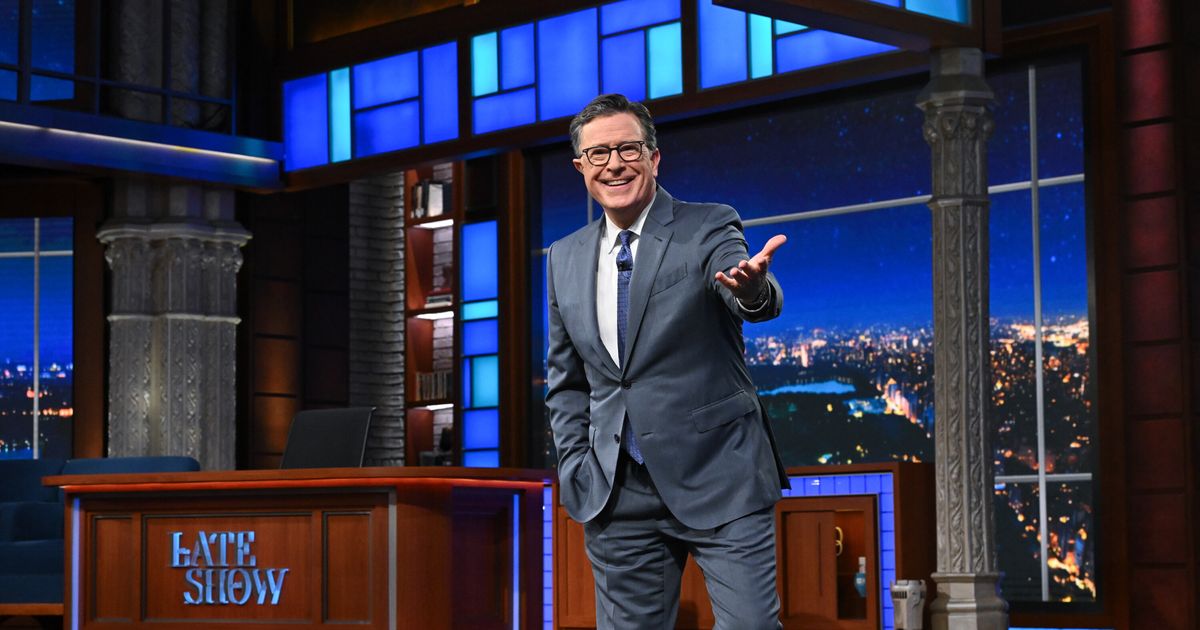
In his Puck newsletter this week, Matt Belloni, a well-known insider in Hollywood, predicted a landslide Emmy victory for Stephen Colbert. He described Colbert as “a comedy martyr” and claimed that he was a shoo-in to beat rivals like The Daily Show and Jimmy Kimmel Live! in the three-horse race for his first series Emmy for Late Show. While it’s hard to argue with Belloni’s credentials, the certainty with which he made this claim struck me as somewhat premature.
The Emmys are known for their stubbornness, often favoring long-standing favorites over new contenders. Over the past decade, we’ve seen Julia Louis-Dreyfus win six consecutive awards for Veep, Game of Thrones dominate the Outstanding Drama category for its final four seasons, and Succession take home the award for its last three. Even The Amazing Race managed to win the Reality Competition award for the first ten years of its run. This pattern shows that Emmy voters tend to stick with what they know.
When it comes to The Daily Show, the show has won 13 times in 21 years in the Outstanding Talk Series category. That kind of track record is difficult to overcome, especially when it comes to an industry that values tradition and familiarity.
But there’s something major that has happened with Stephen Colbert. Depending on the version of events, either CBS decided to cancel The Late Show With Stephen Colbert due to its unprofitability—despite being the No. 1 show in its time slot—or Paramount, CBS’s parent company, bowed to pressure from the Trump administration to remove a longtime critic of the president. This move came just weeks after Paramount settled a defamation lawsuit with the Trump administration for $16 million, and shortly after Colbert criticized the settlement as a “big, fat bribe.”
This timing has raised eyebrows, with many in Hollywood believing that the cancellation was politically motivated. Trump’s response to Colbert’s firing had the air of a victory dance, reinforcing the idea that the decision might have been influenced by political considerations.
Industry Reactions and Concerns
“This is a loss leader for CBS, but it’s also a jewel in their crown,” says Caissie St. Onge, who worked on The Late Show during the Letterman era and is now a producer for Busy Philipps’s talk show Busy This Week. “It’s part of what makes CBS Paramount special, right? It’s worth the investment to have this.”
Former Late Show writer Django Gold added that if CBS was concerned with preserving brand integrity, they would want to keep their flagship late-night show. “Having The Late Show on their roster offers a lot of intangible benefits that they’re throwing away,” he said. “They won’t get these benefits with whatever low-budget clip show they put up in its place.”
The situation has sparked a broader conversation about the influence of politics on media. One former late-night writer and current Emmy voter noted that the current climate feels different from the first Trump administration. “It feels like a real mask-off moment for billionaires who are going, ‘Yeah, actually, these conditions are fine and good with us because they allow U.S. tax breaks and corporate consolidation.’”
A Cause Célèbre for Many
Colbert has become a cause célèbre, with support coming from a wide range of figures. From Trump haters to free-speech advocates, from the Writers Guild to Senator Elizabeth Warren, and even from David Letterman, the sentiment is clear: the future of late-night comedy is at stake. Notably, several high-profile figures, including Jon Stewart, John Oliver, Adam Sandler, Lin-Manuel Miranda, and “Weird Al” Yankovic, have shown their support publicly.
At lunch with Paul Giamatti, Colbert was besieged by supporters. His situation reflects a broader struggle in Hollywood, where the industry continues to face scrutiny from the Trump administration. Recent criticisms have targeted shows like The Daily Show, Jimmy Kimmel Live., The View, and South Park.
The Emmy Decision
When it comes to Emmy voting, the question isn’t whether CBS’s decision was a belt-tightening move or a political one. What matters is how the industry perceives it. If it walks like a Trump-approved sacking and quacks like one, then it likely will be viewed as such.
However, giving Colbert the Emmy would be a decision that goes against one of the Emmys’ most powerful headwinds. The Daily Show has consistently dominated the Outstanding Talk Series category, with a ten-year winning streak from 2003 to 2012 and wins in the last two years. HBO’s Last Week Tonight With John Oliver has also been a strong competitor, winning seven consecutive Variety Series Emmys before being moved to a different category.
Despite this, there’s still more than three weeks until the Emmy voting begins on August 18. The news cycle moves fast, and anything could happen between now and then. The Late Show might not even be the only late-night program to face cancellation this summer.
A New Hope?
On the other hand, Colbert is a beloved figure in the industry. Everyone I spoke to described him as a good guy. Jon Stewart, his old Comedy Central colleague, has repeatedly gone to bat for him, which feels almost like an endorsement. There’s also hope that this wave of support could benefit other shows, like Hacks, which recently faced challenges in the nomination process. After a week of social media buzz around a clip of Deborah Vance quitting her late-night show rather than compromise her principles, it’s possible that Hacks could find itself collecting the Best Comedy statue on Emmy night.

Post a Comment for "Don’t Crown Colbert an Emmy Winner Just Yet"
Post a Comment