
Educators Faced Mass Cuts in Ongoing Crisis
Chicago Public Schools Faces Major Layoffs Amid Budget Challenges
As the new school year approaches, thousands of workers in Chicago Public Schools (CPS) have received unexpected news. The district announced that nearly 1,500 employees would be laid off, including 432 teachers, 300 paraprofessionals, 700 special education assistants, and 33 security personnel. This decision has sparked concern among educators, parents, and community members who are questioning the reasoning behind the cuts.
CPS has attempted to downplay the layoffs, stating that they are part of an annual workforce planning process aimed at meeting the evolving needs of students and schools. However, many feel this explanation is insufficient, especially given the scale of the cuts. Some believe the layoffs may be a result of budget constraints rather than a natural realignment of staff.
The controversy surrounding the layoffs has led to heated discussions within the community. Lena Mitchell, a parent of two children in CPS, expressed her frustration, saying, "There's a disconnect between the students, the parents, the staff, and the teachers, as well as the community." She emphasized the need for transparency and better communication from the district.
The Chicago Teachers Union (CTU) has also voiced its concerns, arguing that the cuts are driven by funding issues. In a statement, the union criticized former CPS CEO Pedro Martinez for misleading the public about available funds and called on the district to work with the union to secure more revenue from the state. The CTU also drew comparisons to federal budget cuts, warning that without proper action, the situation could worsen.
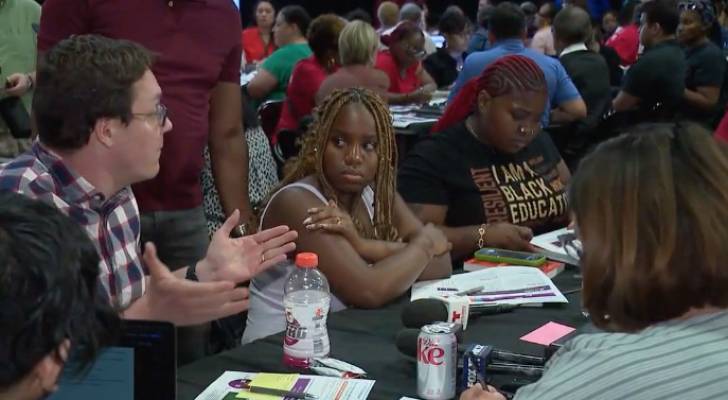
Community meetings were held earlier in July to allow the public to share their thoughts on the proposed changes. Despite these efforts, the reality remains that CPS faces a significant budget shortfall. Interim CEO Macquline King acknowledged the difficult decisions ahead, stating, "We're going to have to make some really hard decisions."
This crisis is not unique to Chicago. Nationally, education professionals are facing similar challenges. With President Donald Trump withholding $6.8 billion in education funding, many districts across the country have already experienced layoffs. The Department of Education is also looking to reduce its workforce by nearly 50%, which could lead to further cuts in grant programs that support teacher recruitment, training, and retention.
These federal reductions come at a time when the Learning Policy Institute reports a shortage of over 110,000 teachers for the 2023-2024 school year, with projections indicating the number could rise to 200,000 by 2026. This shortage could leave schools unprepared to meet the educational needs of students, particularly in rural areas and fields like special education.
For educators and other professionals, preparing for potential job loss is essential. Here are some steps to consider:
- Keep fixed costs to a reasonable percentage of income: Aim to spend no more than around 50% of your income to ensure you can live on less if needed.
- Maintain a fully funded emergency fund: Having three to six months of living expenses saved in a high-yield savings account can provide financial stability during uncertain times.
- Minimize debt: Reducing debt helps save money and ensures you won’t face large payments after a layoff.
- Build a strong professional network: Stay in touch with peers, join professional groups, and maintain a presence on networking sites to increase job opportunities.
- Advance your skills: Continuously improve your abilities through courses, certifications, or mentorship to remain competitive in your field.
If a layoff is imminent, additional steps can help ease the transition:
- Explore health insurance options: Resources like Healthcare.gov can help find affordable plans.
- Research unemployment benefits: Benefits.gov provides information on available resources.
- Check for severance eligibility: If you have a union contract, you may be entitled to guaranteed pay. Otherwise, consult an employment lawyer for assistance.
- Reduce spending: Focus on essentials and begin networking more actively on platforms like LinkedIn and job boards.
As the education sector continues to face financial uncertainty, staying informed and prepared is crucial for both individuals and communities. By taking proactive steps, educators and other professionals can better navigate the challenges ahead.

Post a Comment for "Educators Faced Mass Cuts in Ongoing Crisis"
Post a Comment