
How Wordle, Connections, and Strands Compare in Fun and Gameplay
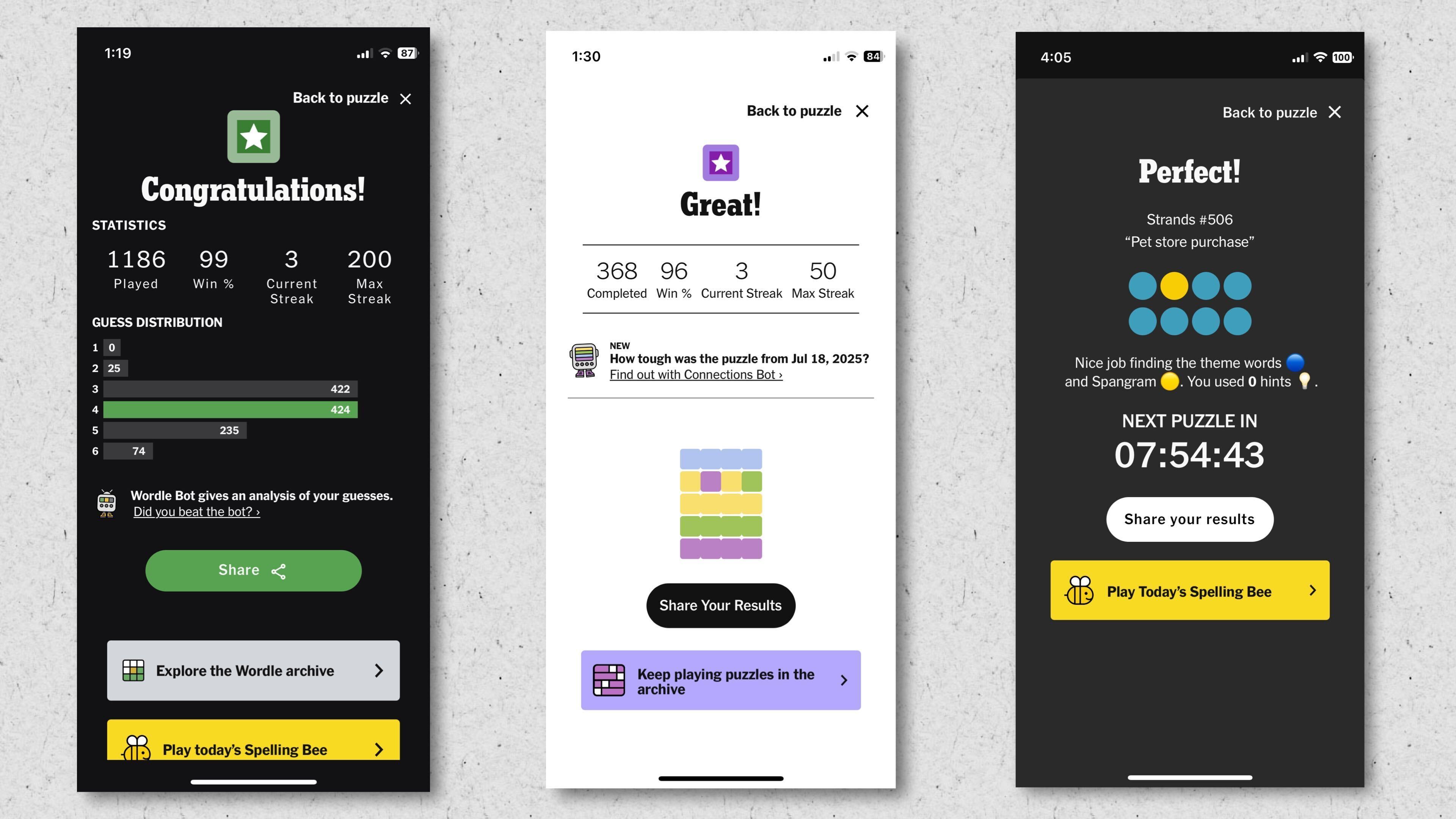
Overview of Popular Word Games from The New York Times
Once you start playing one of the New York Times’ quick little word games, it’s easy to end up playing the others as well. Many people initially subscribe to their app for the crosswords, but they often find themselves drawn into other games. If you're currently playing one of these games and eyeing the others with curiosity, this breakdown will help you understand what each game offers and how to excel at them.
Wordle: A Simple yet Challenging Word Game
In Wordle, players guess a single word, and the game provides feedback through colored squares. Green indicates a correct letter in the right position, while yellow shows a correct letter in the wrong spot. Players must come up with their own starting word, with many preferring words like "ARISE" or similar combinations.
Time Commitment: Most days take less than a minute, but some puzzles can be more challenging, requiring several minutes of thought. Sometimes taking a break and returning later helps.
Skills Required: This game rewards those who understand word structure and have experience with other word games. Strategic guessing, knowledge of common letter patterns, and awareness of the types of words the game might use are all beneficial.
Frustration Factor: Medium. While the game is straightforward, some puzzles can be tough, especially when only a few letters remain. Strategy helps, but sometimes luck plays a role.
Additional Features: Subscribers have access to an archive of past puzzles and a bot that analyzes performance.
Connections: A Puzzle of Groupings
Connections presents sixteen words or phrases that players must divide into four groups based on a hidden theme. These groups can range from synonyms to categories like sports teams or even complex wordplay such as homophones of units of measure.
Time Commitment: A few minutes on average, though some puzzles may take longer.
Skills Required: A strong vocabulary, pop culture knowledge, and the ability to think creatively are helpful. Recognizing subtle differences in spelling and understanding unusual wordplay are also important.
Frustration Factor: High. Red herrings and unexpected groupings can make the game challenging. Players often need to think outside the box to solve the puzzle.
Additional Features: Subscribers can access an archive of past puzzles and a bot that evaluates performance.
Strands: A Themed Word Search Game
Strands is a word search game with a unique twist. Words are arranged around a theme, and players must find them. The game includes hints to assist when stuck, making it more accessible.
Time Commitment: About two minutes for easier puzzles, with more difficult ones taking longer.
Skills Required: Recognizing words with letters out of order, strong spelling skills, and understanding thematic connections are essential. A good vocabulary and some pop culture knowledge can also be beneficial.
Frustration Factor: Low, although some puzzles may be tricky if players don’t recognize the theme or know the required words.
Additional Features: There is no archive of past puzzles, and there is no bot to analyze performance.
Conclusion
Each of these games offers a different kind of challenge and requires a unique set of skills. Whether you enjoy the simplicity of Wordle, the complexity of Connections, or the themed fun of Strands, there's something for every type of word game enthusiast. Understanding the mechanics and strategies behind each game can enhance your experience and improve your performance.

Post a Comment for "How Wordle, Connections, and Strands Compare in Fun and Gameplay"
Post a Comment