
Morning Brief: Border Clash, Dorm Shooting, Terrorist Release
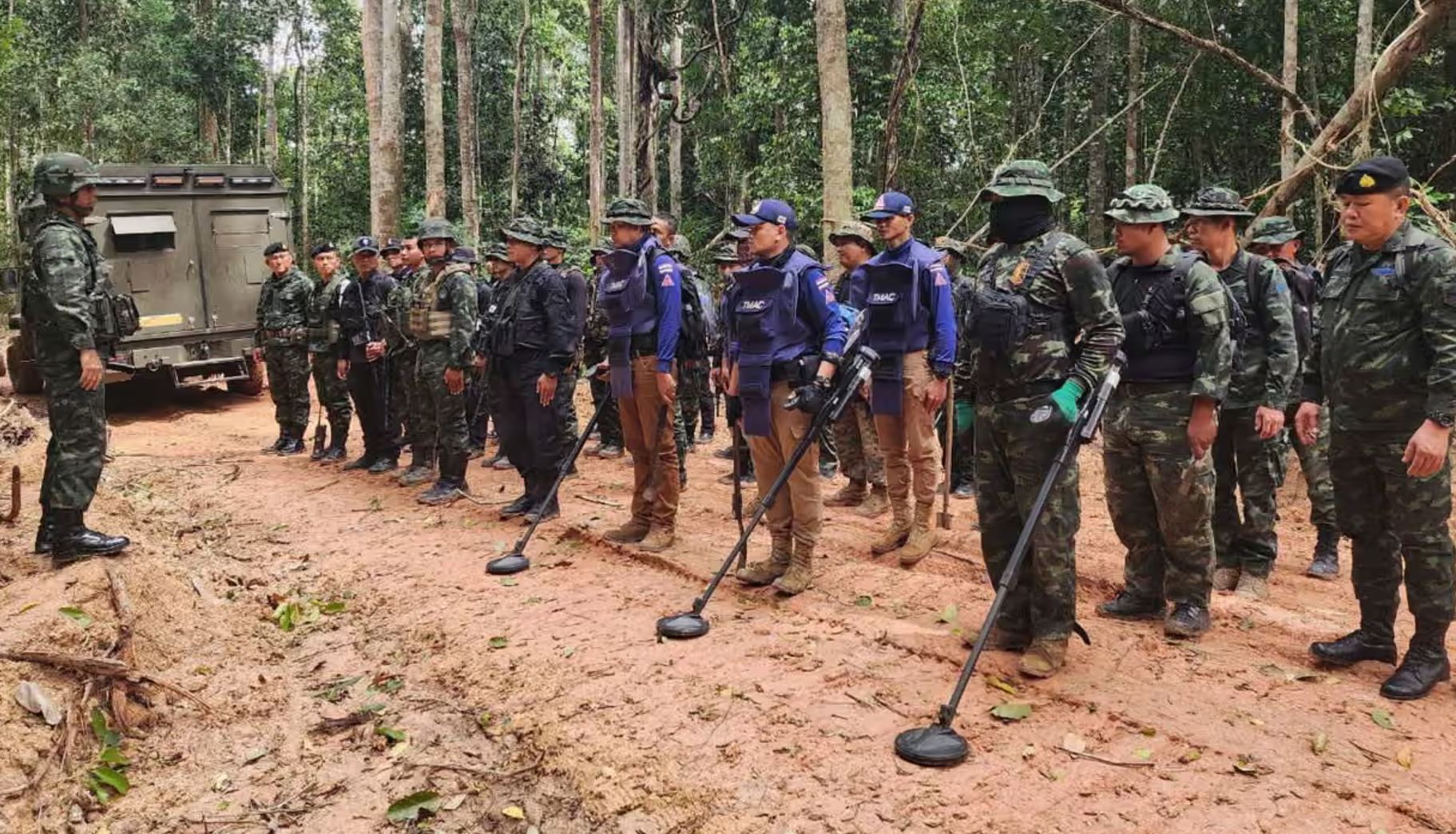
Escalation of Conflict Along the Cambodian–Thai Border
The conflict along the Cambodian–Thai border has intensified over the past three days, marking the most significant escalation between the two nations in more than a decade. Both countries have accused each other of initiating the violence and have deployed additional troops to various regions. The fighting centers around historically contested border areas, including ancient temples, but has now spread to new flashpoints as far as 200 miles from the original clashes.
At least 30 people have lost their lives, with casualties reported on both sides, including soldiers and civilians. Over 130,000 individuals have been displaced, fleeing from active combat zones in both countries. Martial law has been declared in Thai border districts, and refugee shelters are being established for evacuees. Artillery, rocket fire, and even airstrikes have been reported, with both sides accusing each other of using heavy weaponry. There are also allegations that cluster munitions were used—a claim that would violate international conventions if true.
Key Recent Developments
The clashes have expanded into new areas, such as Thailand’s Trat Province and Cambodia’s Pursat Province, which are far from the initial sites of border fighting. On July 24, Thai forces reportedly conducted airstrikes on Cambodian territory, targeting multiple locations near the Preah Vihear Temple and other regions. Both countries have issued strong statements to the United Nations Security Council, exchanging accusations about who escalated the conflict and requesting different forms of mediation. Cambodia has called for UN/ICJ involvement, while Thailand prefers bilateral talks.
An emergency session of the UN Security Council is currently underway in response to these events. There is also an ongoing "war of words" on social media, with hate speech and misinformation increasing tensions among civilians in both countries. Cultural disputes surrounding historic temple sites and unresolved colonial-era boundaries continue to fuel the crisis. If the current level of violence persists, both governments have warned that full-scale war is possible.
International actors, including Malaysia (as ASEAN chair) and the United States and China, have offered to mediate, but Thailand has so far declined third-party intervention, insisting on bilateral negotiations. The situation remains fluid and highly volatile, with widespread displacement, casualties, and both sides on military alert.
Tragedy at University of New Mexico
A shooting at the University of New Mexico’s Casa Del Rio dormitory in the early hours of July 25 resulted in the death of a 14-year-old boy and left a 19-year-old man wounded. The incident occurred around 3 a.m. in a dorm room where four people, including the suspect, were playing video games. John Fuentes, an 18-year-old, allegedly opened fire on the group. The 14-year-old died at the scene, while the 19-year-old managed to escape and was later treated at a hospital for non-life-threatening injuries.
After the shooting, Fuentes fled the campus, triggering an immediate shelter-in-place order for students and staff. The timing could not have been worse—new student orientation was underway, and many students were staying in the dorms. Some were evacuated, while others spent the morning on lockdown as police swarmed the area. Using license plate reader technology, officers tracked Fuentes down and arrested him later that day during a traffic stop in Valencia County.
The university shut down its central campus for the rest of Friday to allow investigators to work and to reassure shaken students and staff. Fortunately, no enrolled students or university employees were among the victims. Still, the incident has cast a dark cloud over the start of the semester. Both university and state officials issued somber statements, mourning the loss of life and acknowledging the growing anxiety surrounding gun violence on and near school campuses.
Release of Georges Ibrahim Abdallah
Georges Ibrahim Abdallah, a Lebanese militant labeled a terrorist by France, the U.S., and Israel, has been released after more than four decades in prison. The 74-year-old was flown from France to Beirut on July 25, 2025, where he was greeted like a returning war hero. Family members, political supporters—including Hezbollah representatives—and activists were present at the airport, waving flags and chanting slogans. Streets in some areas of Beirut filled with supporters celebrating what they called a win for the Palestinian cause.
Abdallah had been locked up since 1984 and sentenced to life in prison in 1987 for orchestrating the assassinations of U.S. military attaché Lt. Col. Charles Ray and Israeli diplomat Yacov Barsimantov in Paris in 1982. He was also the leader of the Lebanese Armed Revolutionary Factions (FARL), a Marxist anti-Israel group behind several attacks on Western targets. Despite being eligible for parole since 1999, repeated bids for release were denied, often under pressure from Washington.
This week, a French appeals court ruled that keeping him locked up any longer was “disproportionate,” especially given his age and the fact that FARL has not been active in decades. The court approved his release on one major condition: Abdallah had to leave France immediately and was permanently banned from ever returning. In Beirut, Abdallah wasted no time stepping back into the spotlight. During his arrival speech, he called for continued resistance against Israel and said his fight wasn’t over. The U.S. and Israel both criticized France’s decision to let him go, insisting that Abdallah is still a threat. Meanwhile, his supporters paint a different picture—one of a political prisoner finally freed after a long, unjust sentence. The truth, as always, depends on which side of the barbed wire you’re standing on. Freeing murderous terrorists is never a good thing.

Post a Comment for "Morning Brief: Border Clash, Dorm Shooting, Terrorist Release"
Post a Comment