
Spotting Insect Bites: Know What Bit You
Identifying and Treating Common Bug Bites
Bug bites can be a common nuisance during the warmer months, but they can also pose serious health risks if not properly identified and treated. Understanding the characteristics of different types of bug bites can help you respond effectively and prevent complications.
Bees
Bees are generally not aggressive unless provoked. If you get stung, you’ll typically notice a hive-like pink bump that itches. The stinger may still be visible, so it’s important to remove it carefully. Using a credit card to gently scrape the stinger out is recommended, as pinching it with fingers or tweezers could release more venom into your skin.
Treatment for a bee sting includes cool soaks, calamine lotion, and over-the-counter antihistamines like Benadryl. Some people also use meat tenderizer mixed with water in a 4:1 ratio to create a paste that may help reduce pain. Signs of an allergic reaction include difficulty breathing, swelling, or dizziness, which require immediate medical attention.
Ticks
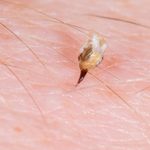
Tick bites can be particularly dangerous because they can transmit diseases such as Lyme disease, ehrlichiosis, and Rocky Mountain spotted fever. It’s often difficult to identify a tick bite immediately, as there may be no visible sign on the day of the bite. However, a rash may develop within a few days, sometimes appearing as a bullseye pattern.
If a tick is found, it should be removed promptly using fine-tipped tweezers. The area should then be cleaned thoroughly. If a rash develops or flu-like symptoms appear, it’s essential to seek medical care. A 20-day course of antibiotics may be necessary, depending on the type of tick and the risk of infection.
Mosquitoes
Mosquitoes are notorious for their itchy bites, especially during summer. They are attracted to people with type O blood, lactic acid, and urea in sweat. Wearing dark clothing or drinking beer outdoors can also make you more appealing to these pests. Mosquito bites usually appear as small, puffy white bumps with a red dot in the center.
To treat a mosquito bite, avoid scratching to prevent infection. Applying a cold pack, aloe vera, or cortisone cream can help reduce itching. These bites typically heal on their own within a few days.
Fleas
Fleas are commonly found on pets and can cause painful, itchy bites on humans, particularly around the ankles and calves. They can also transmit tapeworms. Prevention is key—treating pets regularly and keeping living areas clean can help minimize infestations.
If flea bites occur, applying topical cortisone creams or using ice cubes can provide relief. If a flea infestation is suspected, it’s best to consult a pest control professional and speak with a veterinarian about flea prevention for pets.
Brown Recluse Spider
The brown recluse spider is known for its shy nature but can deliver a dangerous bite if provoked. Its bite may initially go unnoticed, but it can lead to a red patch with possible blistering. In severe cases, the tissue may turn dark due to necrosis.
A brown recluse spider bite can become a medical emergency, requiring prompt medical attention. Treatment may involve removing affected tissue, so it’s crucial to see a doctor if you suspect a bite from this spider.
Bed Bugs
Bed bug bites often appear in a linear pattern, resembling "breakfast, lunch, and dinner" lesions. These bites typically occur on exposed skin, such as the arms and legs. While they are not life-threatening, they can be very itchy and uncomfortable.
Most bed bug bites will resolve on their own within a few days. Over-the-counter hydrocortisone ointment can help reduce inflammation and itching. If the infestation persists, professional pest control services may be needed.
Chiggers
Chiggers are not insects but arachnids, similar to ticks and spiders. They are most active in grassy areas and tend to bite only the larvae. Their bites result in reddish bumps with a bright red dot in the center, resembling pimples or hives.
To treat chigger bites, take a cool shower and wash the affected area with soap and water. Applying cortisone cream or using products like After Bite can help relieve itching. For children or sensitive skin, After Bite Kids offers a gentle alternative.
Black Widow Spider
Black widow spiders are found in warm, dry regions of the southern and western United States. Their distinctive red hourglass marking makes them easy to identify. A black widow bite causes immediate pain, swelling, and redness, with two fang marks often visible.
Symptoms can progress to muscle stiffness, nausea, dizziness, and even leg paralysis. If a child is bitten, it's critical to seek emergency care immediately. Washing the area with cold water and applying ice can help manage symptoms until medical assistance is available.
Fire Ants
Fire ants are highly aggressive and can deliver painful stings. They are commonly found in the southeastern and southwestern United States. Their stings appear as groups of swollen red spots that resemble pus-filled pimples.
Treating fire ant bites involves cooling the area with a shower, washing with soap and water, and using over-the-counter treatments like After Bite. These bites typically heal on their own without complications.
Natural Remedies for Itch Relief
Severe itching is a common symptom of bug bites, and scratching can worsen the condition. Natural remedies can offer soothing relief. Essential oils like citrus, peppermint, and eucalyptus can help calm irritated skin. A mixture of baking soda and water can also be applied as a paste to reduce discomfort.
Soaking in a warm bath with magnesium powder is another effective way to soothe the itch and promote relaxation. These natural approaches can be used alongside traditional treatments to provide comprehensive relief.

Post a Comment for "Spotting Insect Bites: Know What Bit You"
Post a Comment