
The Prince of Egypt Was Born From One Spielberg Idea
A Pivotal Year for Animation in 1998
The year 1998 was a transformative one for the world of animation. Disney released "Mulan," a musical action film that brought new levels of Asian American representation to the screen. At the same time, Pixar followed up on the success of "Toy Story" with "A Bug's Life," proving that computer-generated imagery (CGI) was here to stay. Meanwhile, "Pokémon: The First Movie" took the global phenomenon to new heights, setting box office records and capturing the attention of millions.
However, perhaps the most significant development of the year was the decline of Disney’s dominance in the American animation industry. Three new studios made their feature animation debuts that year: Nickelodeon with "The Rugrats Movie," Warner Bros. Feature Animation with "Quest for Camelot," and DreamWorks Animation with two films—“Antz” and “The Prince of Egypt.” This marked the beginning of a new era where competition in the animation space became more diverse and dynamic.
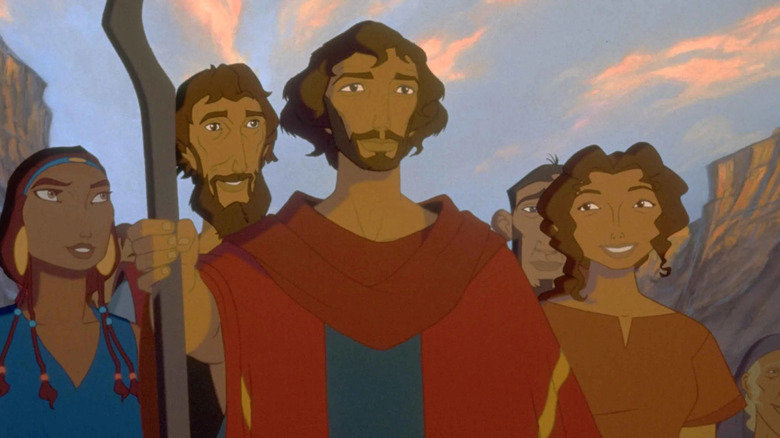
DreamWorks quickly emerged as a major player, becoming Disney’s most formidable rival in terms of both box office performance and critical acclaim. While “Antz” was the first of the two films to be released, it was “The Prince of Egypt” that truly made an impact. It won the Academy Award for Best Original Song and is widely regarded as one of the greatest American animated films ever made. The film’s creation was heavily influenced by a suggestion from Steven Spielberg, who played a key role in its development.
The Origins of "The Prince of Egypt"
The story behind “The Prince of Egypt” has become almost legendary. According to a 1998 article in The Washington Post, Jeffrey Katzenberg, former head of Walt Disney Studios, sought to expand the range of animated films by creating a studio that could compete with Disney. During discussions with Steven Spielberg and David Geffen, Katzenberg expressed his desire to create an epic film similar to “Lawrence of Arabia” but with the storytelling depth of David Lean’s work. Spielberg immediately suggested “The Ten Commandments,” which would later become the inspiration for “The Prince of Egypt.”
Katzenberg faced resistance from Disney’s then-CEO Michael Eisner, who was hesitant to produce an animated biblical epic due to its religious content. However, at DreamWorks, with Spielberg’s support, the project moved forward. The film aimed to honor the story’s spiritual significance while delivering a cinematic experience that rivaled the grandeur of classic live-action epics.
A Unique Approach to Animation
One of the standout qualities of “The Prince of Egypt” is how seriously it treats its subject matter. Like “The Hunchback of Notre Dame,” which is considered one of Disney’s darkest and most mature films, “The Prince of Egypt” offered a level of storytelling and visual artistry that set it apart from typical animated fare. The film’s production involved 350 artists, many of whom had previously worked at Walt Disney Feature Animation and Amblimation.
The result was a visually stunning film that captured the grandeur of Ancient Egypt. Towering temples and monuments filled the background of nearly every scene, highlighting the achievements of the civilization while also acknowledging the labor of enslaved people. The film blended traditional hand-drawn animation with computer-generated effects, particularly in the iconic parting of the seas sequence, which remains impressive even by today’s standards.
A Missed Opportunity for a New Era
Despite its artistic success, “The Prince of Egypt” did not fully achieve the broader impact its creators had hoped for. The film aimed to reach a wider, more adult audience and avoided the typical marketing strategies used for family-friendly animated films. It included a disclaimer stating that while artistic liberties were taken, the film remained true to the essence of the biblical story.
Co-director Brenda Chapman, the first woman to direct an animated film from a major studio, expressed the hope that the movie would break the mold and bring more diversity to the animation landscape. She envisioned a future where animated films could explore different genres and age ratings, including R-rated or PG-13 content. Unfortunately, the film did not achieve this vision, and the animation industry eventually shifted toward more comedic and self-aware stories.
In the years that followed, films like “Shrek” dominated the market, leading to a decade of snarky, humorous animated movies. While “The Prince of Egypt” was a critical and commercial success, it failed to spark a lasting change in the industry’s direction.

Post a Comment for "The Prince of Egypt Was Born From One Spielberg Idea"
Post a Comment