
The rise and fall of Lillian Axe, the 80s band too good for hair metal
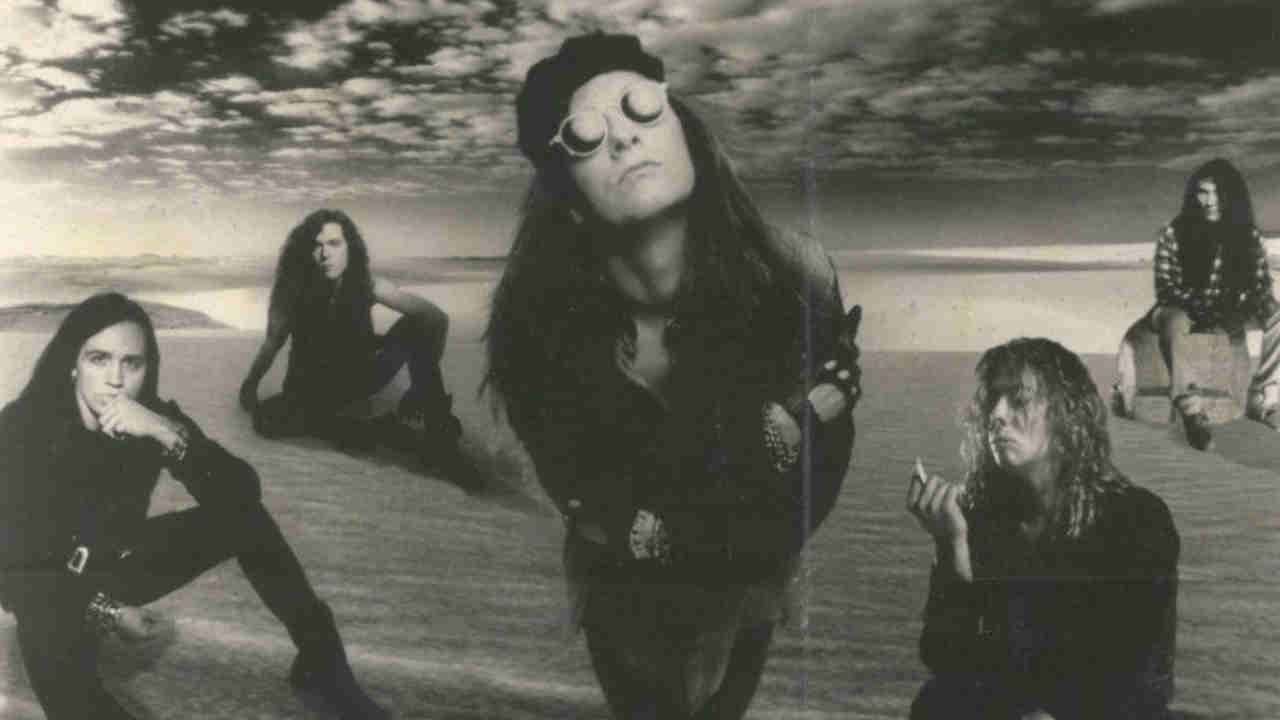
The Rise and Resilience of Lillian Axe
Lillian Axe is one of the most intriguing stories in 1980s hard rock. Despite having all the elements that could have propelled them to superstardom—image, talent, and industry connections—they never quite reached the heights many expected. Their journey is a testament to perseverance and passion, with guitarist Steve Blaze at the helm.
In 2013, Classic Rock sat down with Blaze to reflect on the band’s career, filled with missed opportunities and moments of triumph. Their 1988 self-titled debut was released during the height of the “hair band era,” and it had everything: the right image, top-tier management, and a production team that included Ratt’s Robbin Crosby. Most importantly, they had songs that were radio-friendly and packed with hooks, driven by Blaze’s dynamic guitar work and Ron Taylor’s powerful vocals.
The band formed in 1983 when Blaze, along with bassist Michael “Maxx” Darby, decided to start anew after previous struggles. They found the right musicians—Johnny Vines on vocals and Danny King on drums—and began playing shows across the country. By 1986, they were opening for big names like Ratt, Queensrÿche, and Poison, which caught the attention of Marshall Berle, then managing Ratt.
Berle offered a record deal, but it came with strings attached. He wanted to re-form the band around Blaze, leading to a difficult decision. Blaze chose to keep his original lineup, despite internal issues, and the band went into the studio with Crosby as producer. However, behind the scenes, things weren’t as smooth as they seemed.
Blaze recalls not fully understanding the business side of things at the time. Dana Strum warned him about under-the-table deals, but he didn’t take it seriously. The label didn’t provide proper support, and their first album wasn’t promoted effectively. Even with a $200,000 budget, the band felt left in the dark.
Their second album, Love & War, was another step forward, but again, the label failed to give it the push it deserved. Despite strong songs and some MTV exposure, it didn’t gain the traction they hoped for. This led to a split from MCA, but they quickly found a new home with Grand Slamm Records, where they had more creative freedom and better support.
With a stable lineup and a new drummer, Tommy Stewart, the band released Psychoschizophrenia, a darker and more intense album. It marked a shift in their sound, and while some fans saw it as a sign of personal struggle, Blaze insists there was always a balance between darkness and hope in their music.
Despite the rise of grunge, Lillian Axe continued to tour and release new material. A break in the mid-1990s allowed Blaze to explore other projects, but fan demand brought the band back together. In 1999, a special release called Fields Of Yesterday reignited interest, leading to more albums and ongoing tours.
Today, Lillian Axe remains active, proving that their story isn’t over yet. Blaze continues to push the boundaries of their sound, believing the band hasn’t even reached its full potential. For fans, the journey of Lillian Axe is a reminder that true success isn’t always measured by fame, but by the enduring power of music.

Post a Comment for "The rise and fall of Lillian Axe, the 80s band too good for hair metal"
Post a Comment