
UNC Aligns with Evolving College Sports Landscape Under NCAA Settlement
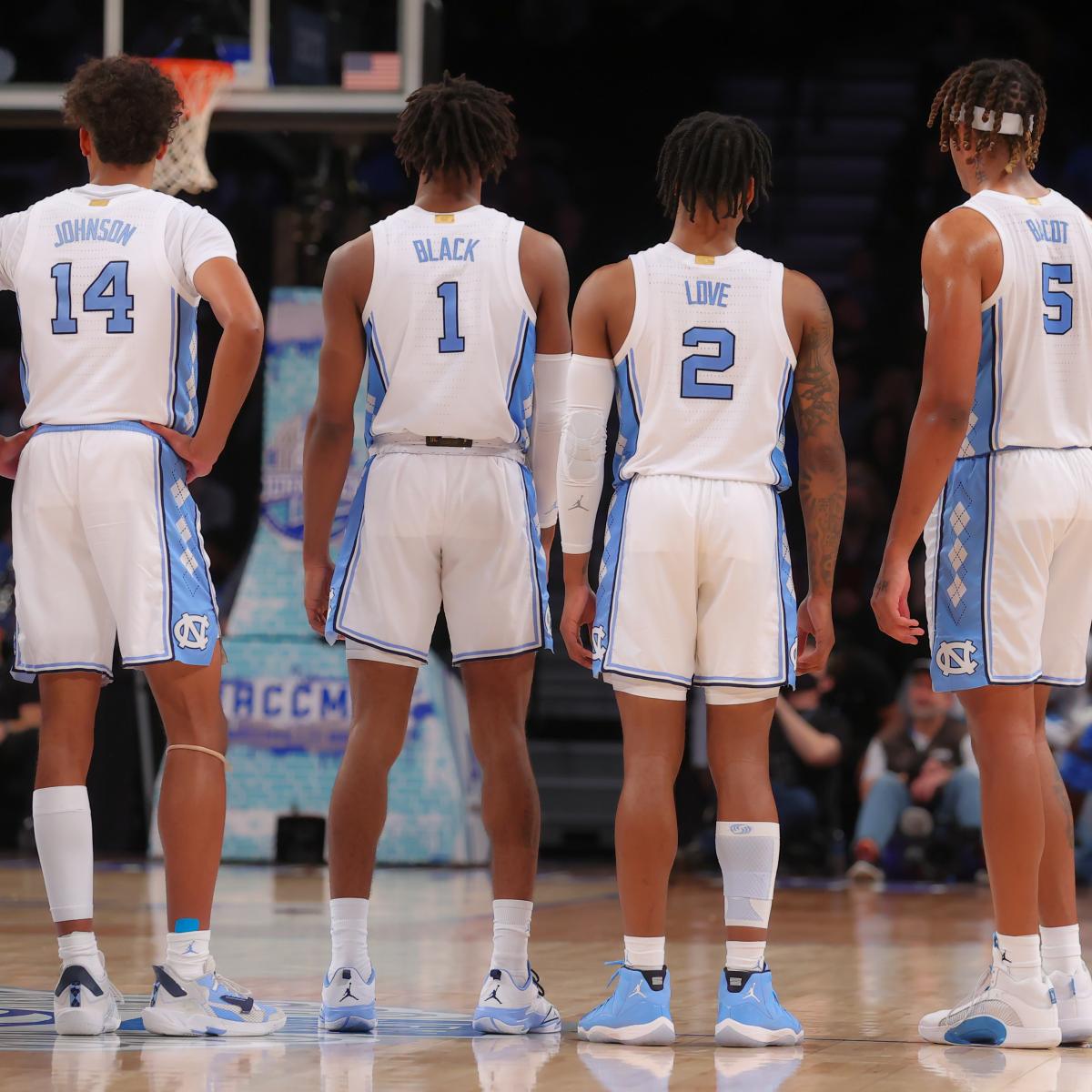
The New Era of College Athletics at the University of Northern Colorado
The landscape of college athletics is undergoing a dramatic transformation, and the University of Northern Colorado (UNC) is navigating this change with a focus on creativity, strategy, and community involvement. Athletic Director Darren Dunn emphasized that these elements will be essential for UNC to remain competitive in this evolving environment.
In June 2024, a significant shift occurred when a federal judge in California finalized a long-standing antitrust lawsuit between six former Division I student-athletes and the NCAA. This settlement, known as House v. NCAA, allows schools to begin directly paying athletes starting July 1. Prior to this, Division I athletes were permitted to earn money through sponsorships, endorsements, and social media, but not through direct payments from their schools. The new settlement changes how these Name, Image, and Likeness (NIL) payments are regulated.
UNC has opted into the terms of the settlement, recognizing it as a major milestone in college athletics. “It’s a massive change in our world,” Dunn said. “It means a lot more work for our staff — staying up with trends, providing opportunities for our student-athletes, and keeping winning. That’s what this is about.”
Financial Implications and Conference Impact
The House v. NCAA settlement includes nearly $2.6 billion in back pay over the next 10 years for all Division I athletes who competed from 2016 to 2024. This money comes from the NCAA by withholding annual fund payments made to schools and conferences. For UNC, this will result in an annual loss of approximately $310,000 for the next decade. The Big Sky Conference, of which UNC is a full member, will lose about $2.7 million per year over the same period.
Deputy Commissioner Dan Satter expressed frustration with the financial repercussions, noting that the impact on the Big Sky Conference is disproportionate compared to the athletes affected. “You always want a seat at the table and a chance to voice your perspective,” Satter said. “To not have that and to have financial repercussions that are disproportionate to the athletes impacted is certainly frustrating.”
The defendants in the lawsuit included the NCAA and the five major power conferences: the Pac-12, Big Ten, Big 12, Southeastern, and Atlantic Coast Conferences. The plaintiffs were six former Division I student-athletes representing three classes of the settlement: football and men’s basketball; women’s basketball; and additional sports.
Distribution of Settlement Funds
The settlement money is divided into two funds: $1.976 billion for NIL claims and $600 million for additional compensation. The NIL claims include $71.5 million for video game usage or injury for football and men’s basketball, $1.815 billion for broadcast usage for football and men’s and women’s basketball, and $89.5 million for third-party injury for all three classes.
The $600 million for additional compensation includes $570 million for Power 5 football and men’s basketball athletes and $30 million for additional sports athletes. Schools in other Division I conferences were only bound by the settlement if they opted in, and no representatives from outside the Power 5 Conferences were involved.
Strategic Adjustments and Future Plans
UNC officials had concerns about the settlement, particularly regarding roster sizes. The settlement removes scholarship limits, but schools that opt in must maintain roster sizes. This led to discussions about potential reductions in spots, which could affect enrollment revenue. However, a grandfather clause was established, allowing schools to keep current roster sizes without reduction.
UNC head football coach Ed Lamb stated that the impact of the opt-in won’t be significant for the Bears’ program. He emphasized the importance of university leadership being aligned to ensure competitiveness. “I feel that from the people who run the university,” Lamb said.
Lamb also noted that winning games is his biggest revenue stream. “When there’s a winning football program, student enrollment tends to increase,” he said. Preseason practices are set to begin soon, with the goal of improving performance and increasing ticket sales.
Exploring Revenue Streams
UNC is exploring various ways to generate revenue to support athletes under the new settlement. These include finding sponsorships, fundraising, and game guarantees. Game guarantees involve larger schools paying smaller schools to play at their home sites. For example, UNC will receive $1.05 million for two games against the University of Colorado in 2028 and 2031, and $825,000 for two games against Wyoming in 2026 and 2030.
Other schools have also used ticket fees to generate additional revenue. UNC plans to use these strategies to provide more resources to athletes while maintaining financial stability.
Community Involvement and Collaboration
Dunn emphasized the need for collaboration with the athletic department, alumni, and the Greeley community. “There are a lot of people who live in the area who are not alumni,” he said. “There are a lot of businesses that are successful here. I think the better we are, the better we can promote Greeley and the Weld County area.”
The Bear Pride Collective, established in 2023, works with a third-party organization to facilitate NIL opportunities for student-athletes. While not officially affiliated with the athletic department, it provides another avenue for donors to support athletes. Under the House settlement, booster collectives may pay student-athletes for NIL as long as payments are for valid business purposes.
Schools may also share revenue with athletes at an annual capped amount of $20.5 million per school, with the cap expected to increase each year. While UNC won’t give athletes $20 million, Dunn said the university will do “the best we can with the resources we have.”

Post a Comment for "UNC Aligns with Evolving College Sports Landscape Under NCAA Settlement"
Post a Comment