
Washington Man Lost $500K After Scam: How to Stay Safe
The Scam That’s Raking in Millions
A sophisticated scam has been targeting unsuspecting residents across Washington State, siphoning millions from victims through high-pressure tactics and fear-based manipulation. One particularly devastating case involved a victim who lost $870,000 to the con artists. These scammers pose as government agents, using a mix of urgency, secrecy, and fabricated documentation to trick people into handing over their life savings.
The scams often begin with an email, text message, or computer pop-up that appears to be from the Social Security Administration (SSA) or another official agency. The message typically claims that the victim’s identity has been stolen or that their accounts have been hacked. Victims are then urged to act quickly—clicking on a link or calling a number that connects them to a live con artist. This initial contact is designed to instill fear and create a sense of urgency.
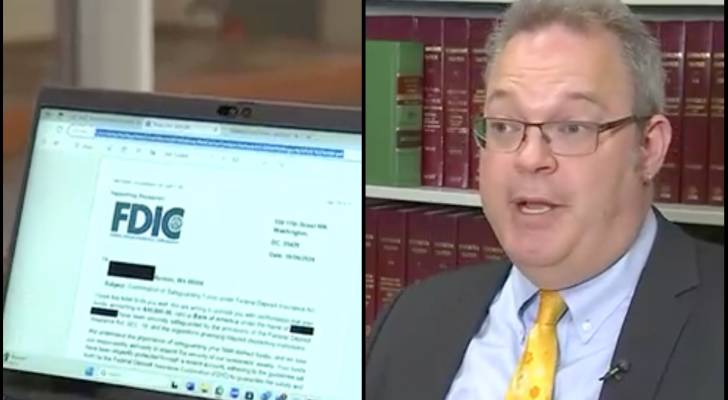
Once the victim is engaged, the scammers claim that the only way to protect their money is to liquidate all their accounts and store the cash or gold for “safekeeping.” They may even send fake documents, such as letters confirming the receipt of funds, to make the scheme seem more legitimate. In some cases, they bring in other individuals pretending to be from different agencies, like the FBI or a bank, to further convince the victim of the scam’s authenticity.
According to Patrick Hinds, who leads the Economic Crimes and Wage Theft Division at the King County Prosecuting Attorney’s Office, these tactics are extremely effective because they prey on people's fears. He emphasized that real government agencies would never ask someone to send money via gift cards, wire transfers, or cryptocurrency. Instead, they would use official channels and provide verifiable information.
Social Security scams are among the most common imposter scams in the U.S., costing Americans over $577 million in 2024 alone. A Washington resident recently shared how he was scammed after being told his Social Security Number had been compromised. He ended up losing more than $500,000 to the fraud. He described the imposters as convincing and said they used fear and secrecy to manipulate him.
Red Flags to Watch For
Hinds urges the public to be vigilant and watch for three key red flags:
- Fear: Scammers use threatening language to scare victims into acting immediately.
- Urgency: They pressure victims to make quick decisions without time to think or ask questions.
- Secrecy: Victims are warned not to tell anyone, including family or their bank.
If something feels off, it’s important to trust your gut. Ask yourself if the situation makes sense. Get a second opinion from trusted friends, family members, or financial advisors.
Tips for Staying Safe
- Real government agencies will never ask for money via gift cards, wire transfers, or cryptocurrency. If you receive such a request, hang up and delete the message.
- Scammers can spoof legitimate email addresses and caller IDs, so just because something looks official doesn’t mean it is.
- Verify communications by cross-referencing with official government contact information. Always double-check before taking any action.
What to Do If You’ve Been Scammed
If you suspect you’ve been scammed or have already fallen victim, here’s what to do:
- Stop all contact with the scammer immediately.
- Document everything, including screenshots, messages, and receipts.
- Contact your bank to freeze accounts, reverse transfers, or flag suspicious activity.
- Report the incident to local police.
- File a complaint with the Federal Trade Commission (FTC), the FBI’s Internet Crime Complaint Center, and the SSA Office of the Inspector General at oig.ssa.gov.
Acting quickly can help prevent further losses. Banks and card issuers may be able to reverse fraudulent charges, and in some cases, FDIC reimbursement programs might offer limited assistance.
Final Advice
Hinds warns that if someone asks you to withdraw all your money and give it to a stranger “for safekeeping,” you should not comply. Real government agencies do not operate this way. Stay informed, stay cautious, and always verify the legitimacy of any communication before taking action.

Post a Comment for "Washington Man Lost $500K After Scam: How to Stay Safe"
Post a Comment