
Western Arms Makers Deploy in Ukraine: Kyiv Gains Firepower, NATO Learns War Lessons
The Growing Collaboration Between Western Defense Companies and Ukraine
More and more Western defense companies are establishing a presence in Ukraine, working alongside local firms to develop new technologies and strategies. This collaboration is being described as a “win-win” situation, with both sides gaining valuable insights from the ongoing conflict.
For Ukraine, the benefit is clear: it gains access to faster, more customized weaponry that can be tailored to its specific needs. For Western companies, the opportunity lies in learning from real-world combat scenarios, which provides them with invaluable experience in modern warfare. As Russia’s war continues, NATO defense companies are not only sending weapons but also setting up offices, production lines, and partnerships within Ukraine itself.
This shift reflects a growing recognition that the lessons learned on the battlefield are critical for shaping future military strategies and technologies. Ukraine's defense industry is offering hard-earned insights into how wars are fought today, and NATO countries are eager to bring these lessons back home before they need to face similar challenges themselves.
Key Players in the Western-Ukrainian Defense Partnership
Several Western defense companies have already taken steps to establish a stronger presence in Ukraine. German drone and aerial intelligence company Quantum Systems recently announced plans to double its production capacity in the country. Similarly, the French-German defense group KNDS is opening a subsidiary in Ukraine. British multinational BAE Systems has also set up operations there, while Norwegian defense company Nammo has signed an agreement to work with a Ukrainian firm.
Even companies without direct production facilities in Ukraine are testing their products there, working closely with local companies and soldiers to adapt their technologies in real time. Estonian defense company Milrem Robotics, which produces military robotic systems like the THeMIS, is actively collaborating with Ukrainian industry to keep its systems relevant and improve European defense equipment based on lessons learned from the war.
Lessons from the Battlefield
The war in Ukraine has provided a unique opportunity for Western defense companies to observe and learn from the realities of modern warfare. Troels Lund Poulsen, Denmark’s defense minister, emphasized that Danish companies are looking to learn from Ukrainian counterparts, particularly in terms of speed and efficiency in production. He highlighted that one of the key lessons Denmark needs to adopt is the ability to produce weapons quickly.
Denmark’s approach to supplying weapons to Ukraine, known as the Danish model, allows countries to purchase weaponry directly from Ukrainian companies. This method ensures that weapons reach Ukraine faster and at a lower cost, bypassing the production bottlenecks that many European defense companies are facing.
The Need for Speed and Scalability
Ukraine’s defense industry has demonstrated remarkable speed and scalability in producing new types of weaponry, such as drones. Ihor Fedirko, CEO of the Ukrainian Council of Defense Industry, noted that Ukrainian companies excel in rapidly scaling up manufacturing and refining products based on battlefield feedback. This agility is something other European companies can learn from, especially as the West prepares for potential conflicts with major powers like Russia or China.
A key realization from the war is the importance of producing weapons and equipment quickly. Danish Prime Minister Mette Frederiksen acknowledged that if a country at war can produce faster than others, it gives them a significant advantage. She stressed that the West must shift its mindset from peacetime to a more prepared, wartime posture.
Ammunition and Strategic Preparedness
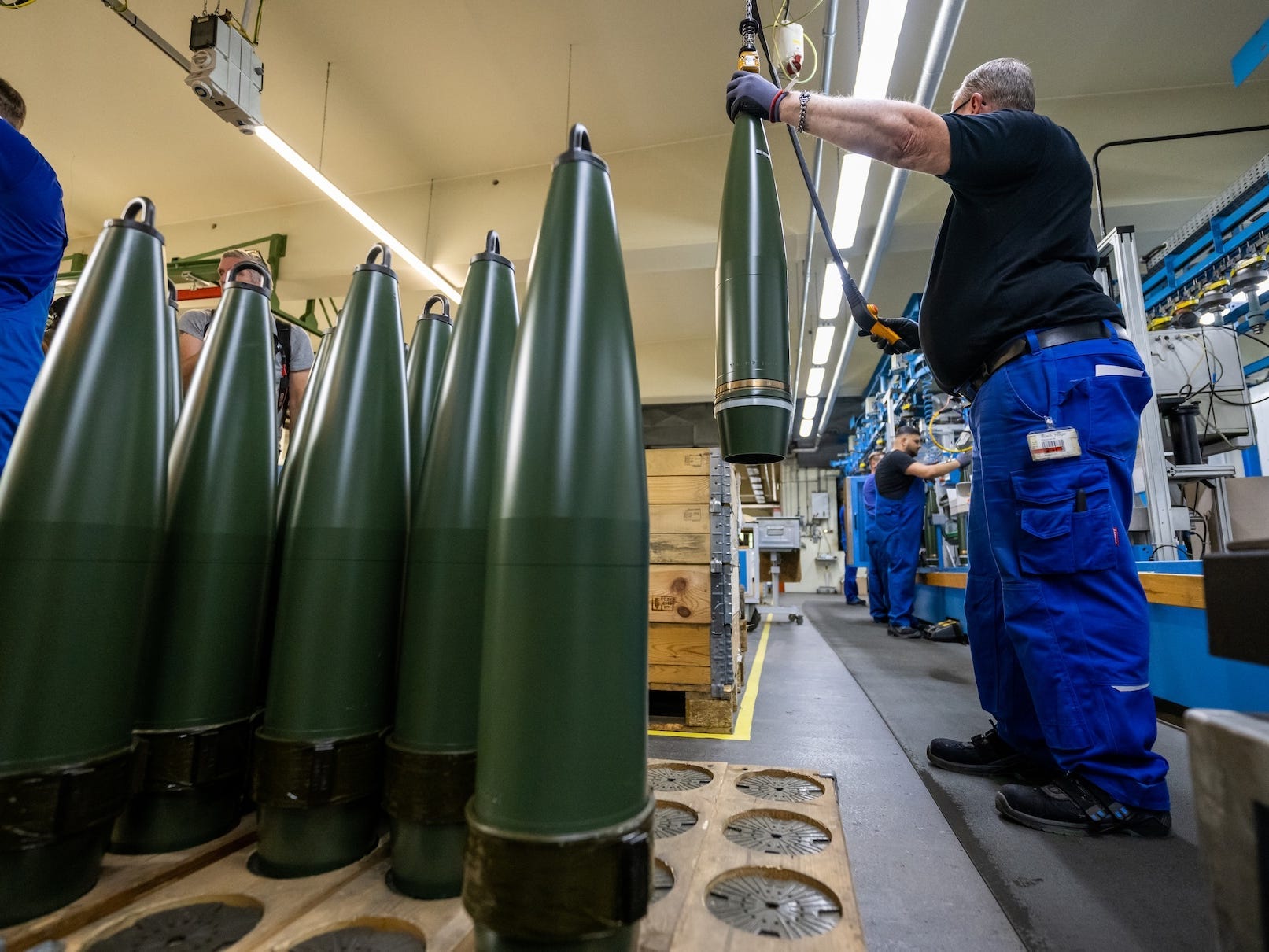
Ammunition has also become a critical factor in the war. NATO Secretary General Jens Stoltenberg recently warned that Russia produces as much ammunition in three months as NATO does in a year. This highlights the need for the West to focus on both high-tech and mass-produced weapons to ensure readiness for large-scale conflicts.
Western defense companies operating in Ukraine are gaining greater insight into the demands of modern warfare. While Russia is experiencing these lessons firsthand, the West sees this as an opportunity to catch up and improve its own defense capabilities.
Conclusion
The collaboration between Western defense companies and Ukraine is reshaping the landscape of modern warfare. By working together, both sides are gaining valuable knowledge and experience that will shape the future of military technology and strategy. As the war continues, this partnership offers a unique chance for the West to learn from real-world combat and prepare for potential future conflicts.

Post a Comment for "Western Arms Makers Deploy in Ukraine: Kyiv Gains Firepower, NATO Learns War Lessons"
Post a Comment