
What Happens If You Use Old Oil in Your Car
The Importance of Regular Oil Changes
Changing the oil in your vehicle every 3,000 miles has long been a standard practice among drivers. This advice was based on the understanding that motor oil plays a critical role in maintaining engine performance. As you drive, the oil circulates through the engine, keeping moving parts lubricated, reducing friction, and preventing overheating. Over time, however, the oil can become contaminated with dirt, moisture, and metal shavings, making it less effective.
Duane “Doc” Watson, a technical trainer at Bosch Mobility Aftermarket, explains that if the oil becomes too dirty, it can lead to severe engine damage. "If it goes on for too long, your engine can completely break down and need to be replaced," he says. "When compared, oil changes are a lot less expensive than engine replacements."
What Causes Oil Deterioration?
The internal combustion engine is a harsh environment where heat, friction, and impurities from fuel and air mix together. These substances can get into the oil through a process called blow-by, which occurs when the piston rings fail to keep the crankcase sealed away from the cylinder contents. Blow-by is often caused by starting a cold engine or wear on an aging engine.
As the engine heats up, the parts expand to their ideal tolerances. Before reaching this point, the undersized parts allow some degree of blow-by, which begins to taint the oil. On a molecular level, oil is composed of hydrocarbon chains that can break down under high heat, leading to thicker, less efficient oil that fails to protect the engine effectively.
Overdue Oil Change Damage
Dirty oil creates additional friction that wears away the cylinder wall. Over time, this increases the diameter of the cylinder and promotes more blow-by, creating a cycle that accelerates wear. Dirty oil also contributes to wear on bearing surfaces, which reduces oil pressure and can cause further damage.
An oil extractor pump makes doing your own oil changes easier, but regular maintenance is still essential. If you neglect oil changes, you risk long-term damage to your engine, which could lead to costly repairs or even total replacement.
Signs Your Car Needs an Oil Change
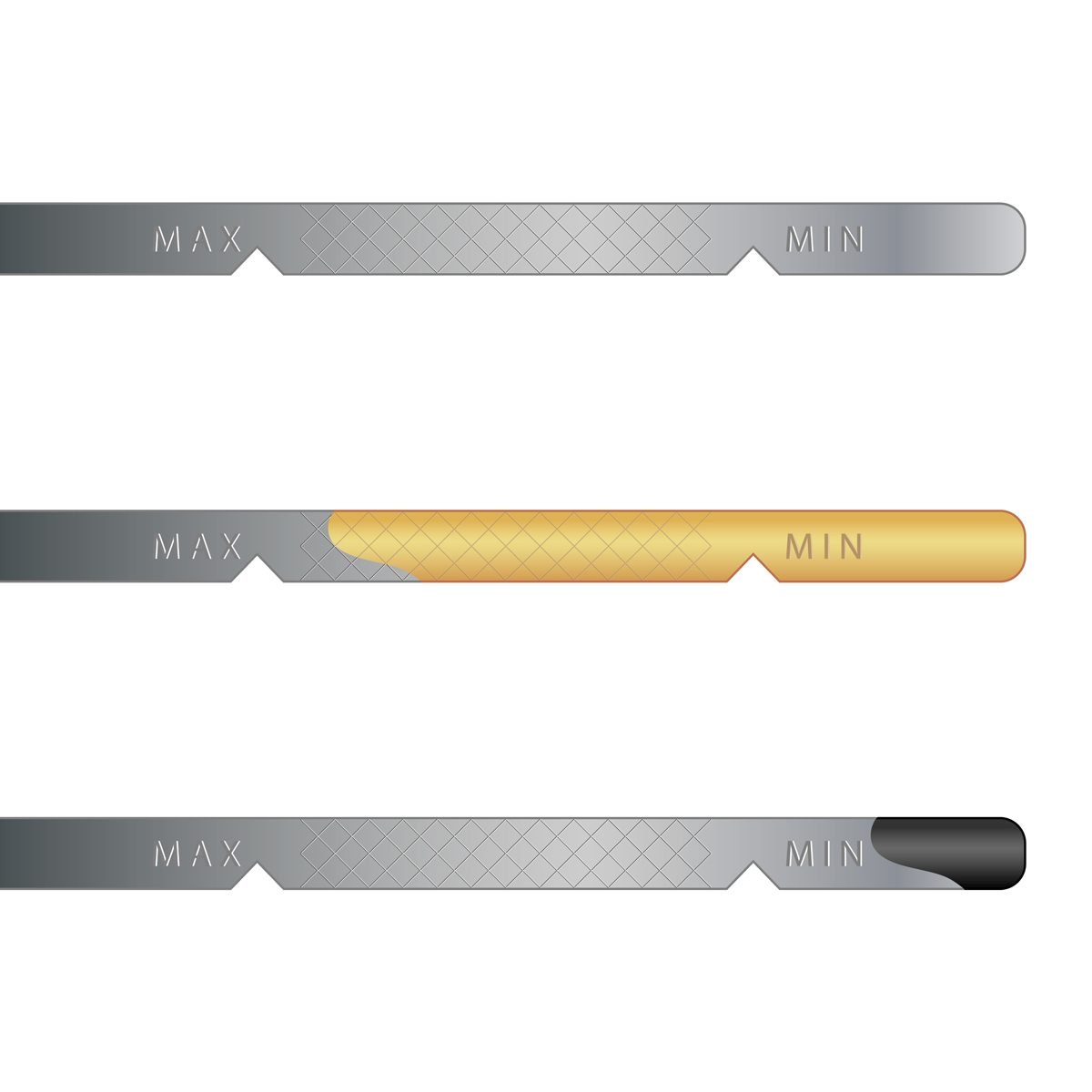
Check your oil every few weeks. A low reading on the dipstick should be topped off, but if your oil looks sooty and opaque, it's time for a change. You may also notice a decrease in fuel economy as the oil thickens and loses its ability to lubricate effectively. Additionally, your car may start making ticking sounds or other noises from metal hitting metal due to a lack of oil film between components.
More Than 3,000 Miles Without an Oil Change?
Some car manufacturers now recommend longer intervals between oil changes. This shift is due to advancements in technology, including cleaner-burning engines and synthetic oil. Synthetic oil optimizes the size of hydrocarbon chains, preventing premature burn-up and creating a thinner, more efficient coating on engine surfaces.
FAQs
What are the risks of using oil that has been sitting for a long time in the car?
Oil left to sit can absorb moisture, which inhibits its ability to cool and lubricate the engine. This diluted oil can create acid that deteriorates aluminum parts. If you don't drive long enough to heat the oil and boil off the water, you could face engine damage.
Can I just top off old oil instead of changing it?
Topping off old oil won't improve its quality significantly. It's like adding clean water to dirty water; it doesn’t make it clean again. Changing the oil is the better option to avoid costly repairs.
Tips for Choosing the Right Oil and Filter
Selecting the right oil and filter for your car is crucial. Consult your vehicle’s manual for recommendations and consider using synthetic oil for better performance and longevity.
When to Consider a New Vehicle
There are several signs that your car might be nearing the end of its life. These include jerky starting and stopping, rust, leaking fluids, and repeated recalls. If your car is blowing smoke, knocking, or the transmission is slipping, it may be time to look for a new vehicle.
Financial Considerations
If the cost of repairs exceeds the value of your car, it might be more practical to sell it and invest in a newer model. Also, if your mileage and warranty don't align, it may be time to explore other options.
Final Thoughts
Regular oil changes are essential for maintaining your vehicle's performance and longevity. By following manufacturer recommendations and being aware of the signs that your car needs maintenance, you can avoid costly repairs and ensure your vehicle runs smoothly for years to come.

Post a Comment for "What Happens If You Use Old Oil in Your Car"
Post a Comment