
10 Essential Martha Stewart Cookbooks for Your Library
The Timeless Appeal of Vintage Martha Stewart Cookbooks
In an age where recipes are just a few clicks away, there is something undeniably charming about reaching for a vintage cookbook from the shelf. When that cookbook bears the name of Martha Stewart, it becomes more than just a collection of recipes—it becomes a window into the past. These cookbooks are not only practical guides to cooking but also cultural artifacts that reflect the evolving trends in American domestic life.
Martha Stewart's early works, such as Entertaining (1982), marked the beginning of her journey as a lifestyle icon. This first book was more than a cookbook; it was a manifesto on how to host with grace and style. It introduced readers to the idea that entertaining was as much about presentation and ambiance as it was about food. The book featured detailed guidance on table settings, floral arrangements, and even the timing of courses, all aimed at elevating everyday meals into memorable experiences.
A Legacy of Elegant Hosting
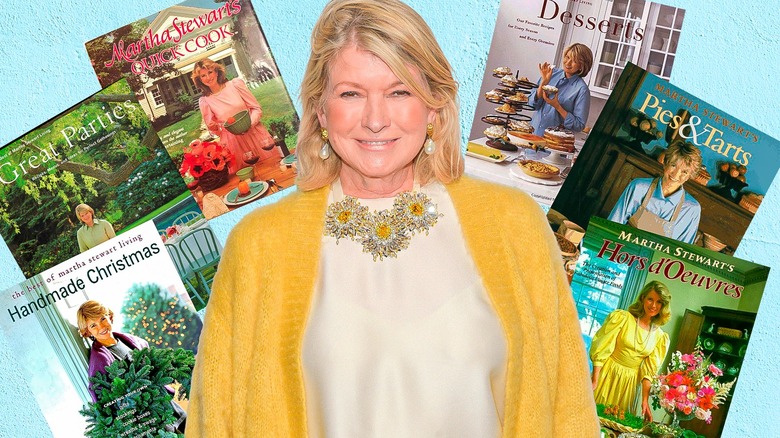
Following Entertaining, Martha Stewart's Hors d'Oeuvres (1984) solidified her reputation as the queen of elegant hosting. This book focused on the art of appetizers, transforming simple finger foods into visually stunning and flavorful bites. With its lavish photography and meticulous attention to detail, the book set a new standard for home entertaining. It showcased the era’s culinary fashions, including smoked fish pâtés, skewers, and intricate cold platters, while also offering timeless techniques that remain relevant today.
Similarly, Martha Stewart's Pies & Tarts (1985) demonstrated her mastery of baking. This technique-driven book provided detailed instructions on everything from rolling dough to creating intricate pastry designs. It blended American pie staples like apple and pecan pies with European-style tarts, showcasing Stewart’s ability to merge comfort with sophistication. For contemporary bakers, the book remains a valuable resource, offering both practical guidance and a glimpse into mid-1980s food styling.
Celebrating Special Occasions
Martha Stewart’s Weddings (1987) brought her meticulous eye to one of life’s most significant events. More than just a collection of ideas for bouquets and cakes, the book offered a comprehensive guide to planning a wedding with elegance and personal style. It emphasized harmony in color schemes, seasonality in menus, and a personal approach to traditional elements, making it a must-have for brides and event planners alike.
Her Christmas (1989) book captured the spirit of the holiday season, blending old-fashioned motifs with the aspirational look that defined her brand. It offered meticulously planned menus, edible gifts, and picturesque table settings, all designed to create a warm and sophisticated holiday atmosphere. While some of the crafts and decorations may have aged, the underlying recipes and decorating ideas remain timeless.
Expanding the Martha Stewart Empire
As her career progressed, Martha Stewart expanded her reach beyond specific themes. Special Occasions (1994) offered a year’s worth of menus and decoration suggestions for various gatherings, from Easter brunches to New Year’s Eve parties. This book emphasized the integration of culinary art with event decor, encouraging readers to think about how presentation and dishes together create a cohesive atmosphere.
In 1995, The Martha Stewart Cookbook: Collected Recipes for Every Day marked a turning point in her publishing career. This 600-page volume distilled over a decade of her work into a single authoritative reference. Unlike her earlier theme-based books, this one served as a comprehensive kitchen guide, covering everything from weeknight meals to holiday feasts. Its organization made it accessible to both beginners and seasoned cooks, and its clear instructions ensured it remained a practical resource.
Themed Entertaining and Healthy Living
By the late 1990s, Martha Stewart continued to innovate with titles like Great Parties (1997), which focused on themed entertaining. Organized around specific party experiences, the book offered imaginative ideas for events ranging from Mediterranean buffets to Texas barbecues. It emphasized storytelling through food and decor, making it a unique addition to any lifestyle library.
In contrast, Healthy Quick Cook (1997) addressed the growing interest in wellness. Rather than focusing on calorie counting, Stewart promoted intuitive eating, using clever techniques to elevate whole foods. This book reflected her playful yet health-conscious side, offering recipes that were both satisfying and vibrant.
Finally, Desserts (1998) celebrated the sweet side of cooking. Featuring classic and innovative desserts, the book highlighted Stewart’s ability to make even the simplest treats feel special. Its beautiful photographs and reliable recipes made it a favorite among bakers and dessert lovers alike.
These vintage Martha Stewart cookbooks continue to hold value for collectors and home cooks alike. They offer not only practical guidance but also a glimpse into the evolution of American domestic life and the enduring appeal of good cooking and gracious living.

Post a Comment for "10 Essential Martha Stewart Cookbooks for Your Library"
Post a Comment