
11 Essential Vegetables for a Bountiful Fall Garden
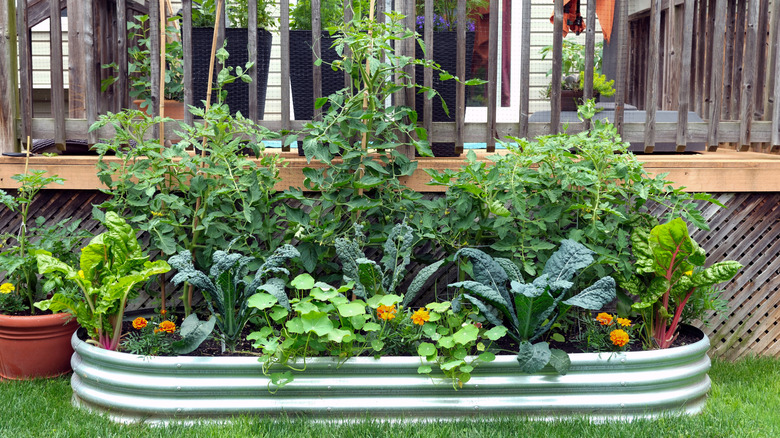
Enhancing Your Fall Garden with Companion Planting
As summer fades and the first frost approaches, it's the perfect time to prepare your garden for the cooler months ahead. One of the most effective ways to ensure a thriving fall garden is through companion planting. This age-old technique involves strategically pairing certain plants together to create mutual benefits, such as improved growth, natural pest control, and enhanced soil health. By choosing the right combinations, you can create a resilient and productive garden that requires minimal maintenance.
Companion planting not only boosts productivity but also adds beauty and functionality to your outdoor space. The right mix of vegetables, herbs, and flowers can attract beneficial insects, repel harmful pests, and even enrich the soil with essential nutrients. This chemical-free approach to gardening allows nature to take over, making your garden more sustainable and eco-friendly.
Key Plants for a Successful Fall Garden
Kale
Kale is more than just a nutrient-rich superfood — it’s an excellent companion in any fall garden. Its robust leaves provide shade and shelter for smaller crops like lettuce and spinach, helping to retain soil moisture. Additionally, kale attracts aphids, which serve as a food source for ladybugs and lacewings, bringing beneficial predatory insects to your garden. With its sturdy structure and fast growth, kale acts as a reliable anchor, supporting both physical and ecological balance in your garden.
Onions
Onions are a kitchen staple and an indispensable plant in any fall garden. Their pungent aroma deters pests such as aphids, carrot flies, and Japanese beetles, protecting nearby vegetables like carrots, beets, and lettuce. Onions are easy to grow and tolerate colder temperatures, making them ideal for fall planting. When interplanted with leafy greens and root crops, they help reduce disease risk and improve overall garden health. Plus, their minimal care requirements make them a great addition to any fall garden.
Celery
Celery isn’t just a crunchy addition to your meals — it also serves as a valuable companion plant. Its strong scent helps repel cabbage pests like loopers and worms, making it a great partner for brassicas. It also pairs well with tomatoes and onions, offering both pest resistance and flavor benefits. While celery itself doesn’t attract beneficial insects, planting it alongside flowers like chamomile or cosmos can draw parasitic wasps and hoverflies that prey on aphids. As a cool-season crop, celery thrives in fall gardens, balancing culinary value with necessary pest management.
Chard
Chard is a colorful and hardy green that provides ground cover and shade for smaller plants like lettuce and radishes. It also deters pests like leaf miners when planted near onions or carrots. Chard tolerates light frosts and continues producing into late fall, providing fresh greens after more tender crops have died back. However, it should be avoided near other members of the same family, like beets, as they can attract similar pests. Its vibrant leaves add both practicality and aesthetics to your fall garden.
Lettuce
Lettuce is a fast-growing, low-maintenance crop that thrives alongside many fall vegetables. Its shallow roots allow it to be planted near deeper-rooted crops like onions and carrots without competition. Lettuce benefits from taller surrounding plants like kale or chard, which provide partial shade, but it may also compete for nutrients. Additionally, its presence can suppress weeds, keeping garden beds healthy. Planting lettuce near radishes and beets improves moisture retention and reduces the risk of diseases. With rapid growth and continuous harvest potential, lettuce is an ideal pick for any homeowner’s first fall garden.
Parsley and Cilantro
Parsley and cilantro are versatile herbs that attract predatory insects like ladybugs and hoverflies, which target aphids and caterpillars. When planted near tomatoes, onions, or peppers, these herbs boost overall garden health and reduce pest pressure. Both herbs tolerate cooler fall temperatures and can fill gaps between larger vegetables with ease. Their aromatic foliage also confuses pests and can improve the flavor of surrounding crops. Planting parsley and cilantro, either together or separately in clusters around leafy greens or root vegetables, enhances the ecosystem of your fall garden.
Fennel
Fennel is an aromatic herb that attracts beneficial insects like parasitic wasps, which help control aphid and caterpillar populations. Planting fennel near cabbage, broccoli, or Brussels sprouts can reduce damage to leaves, making it an ideal companion for members of the brassica family. However, many gardeners shy away from planting fennel near other vegetables, as it can inhibit the growth of other plants. While fennel should be planted slightly farther from some sensitive herbs, its pest-deterring qualities make it valuable in mixed vegetable beds. By strategically placing it in your fall garden, you encourage healthy growth and reduce reliance on chemical intervention.
Radishes
Radishes are fast-growing root vegetables that act as natural pest repellents and soil indicators. Their pungent roots can deter flea beetles and leaf miners from attacking slower growing crops like lettuce. Radishes break up compacted soil, improving aeration for neighboring plants. Planting radishes near cabbage, kale, or spinach provides early harvests while enhancing garden health. These plants can notify you of any changes in soil conditions and radishes can even tell you if your homemade compost is ready. Quick growth cycles allow repeated planting throughout the fall, providing both protection and edible yields.
Beets
Beets are a versatile root vegetable that tend to grow well in cooler fall soils. Planting beets near onions, lettuce, or chard can improve flavor and deter certain pests. Their deep roots help loosen soil, allowing better nutrient absorption for neighboring crops. Some varieties of beets can be used to shade the soil and retain moisture, improving the overall health of your garden. With their vivid color and high nutrient content, beets add both visual interest and surprising practical benefits to a fall garden.
Calendula
Calendula is a cheerful, orange flower that might be an unexpected plant in a vegetable garden. Its bright blooms attract more pollinators and predatory insects, helping to support crops like peas, tomatoes, and carrots. Calendula's petals also repel pests such as asparagus beetles and tomato hornworms, reducing the need for chemical intervention among edible plants. Beyond pest control, calendula adds a much-needed pop of color and edible petals for salads or teas. Thriving in cooler fall temperatures, it creates a natural protective barrier for neighboring vegetables, making it a must-have companion for gardeners seeking beauty and productivity from their autumn beds.
Turnips
Turnips are a hardy fall crop that do more than provide crisp roots for the kitchen; they can boost the performance of other vegetables. Their fast growth helps shade out weeds, reducing competition for slower-growing neighbors like broccoli, peas, and spinach. As they develop, turnips naturally loosen compacted soil, increasing airflow and drainage in the process. It is best to keep them away from other root vegetables like carrots, potatoes, and radishes to avoid competition over nutrients. Whether grown for their roots or leafy greens, turnips are a versatile companion that supports healthier, more productive garden beds throughout the cool fall season.

Post a Comment for "11 Essential Vegetables for a Bountiful Fall Garden"
Post a Comment