
2 Days in Kyoto: First-Time Visitor Itinerary Guide
Kyoto: A Journey Through Time and Tradition
Once the imperial capital, Kyoto is a city where ancient traditions meet modern comforts. It’s a place that captures the essence of Japan, offering visitors a chance to experience its rich cultural heritage while enjoying the conveniences of a contemporary metropolis. With its numerous UNESCO World Heritage Sites, Kyoto is home to temples, shrines, and natural landscapes that have been meticulously preserved. Whether you're a history enthusiast or simply looking for a unique travel experience, Kyoto has something to offer.
How to Get to Kyoto
Kyoto doesn’t have its own airport, so travelers usually arrive at Kansai International Airport in Osaka, which is just an hour away by train. Alternatively, you can start your journey from Tokyo, with options like Haneda or Narita airports. The most efficient way to reach Kyoto is via the Shinkansen (bullet train), which offers fast and reliable service. If you plan on taking multiple trains during your stay, consider purchasing a Japan Rail Pass to save money and time.
Best Time to Visit Kyoto
The best times to visit Kyoto are spring and autumn. Spring brings the enchanting cherry blossom season, with pink petals blanketing the city in a magical display. Autumn, on the other hand, transforms the surrounding forests and mountains into a vibrant tapestry of gold, orange, and crimson. Both seasons provide ideal conditions for exploring Kyoto’s scenic beauty and historical sites.
Day 1: Exploring Kyoto’s Iconic Landmarks
Kinkaku-ji (Golden Pavilion)
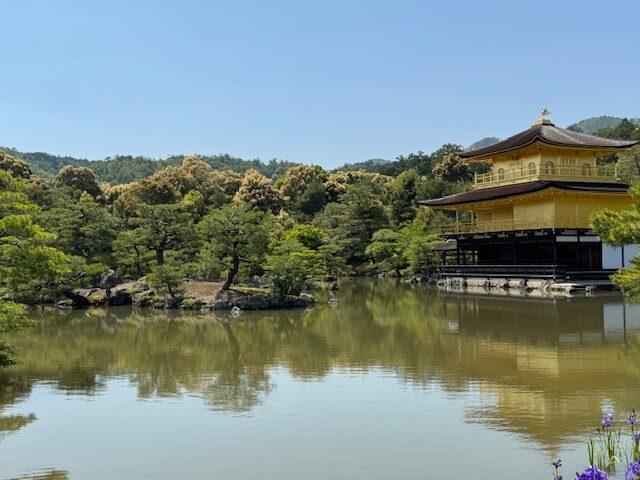
One of Kyoto’s most iconic landmarks, Kinkaku-ji is a Zen Buddhist temple covered in gold leaf. Surrounded by a serene pond, the pavilion reflects beautifully on calm days. Although you can't enter the building, the surrounding gardens and walking paths offer stunning views. It's best to visit early in the morning to avoid crowds and enjoy the peaceful atmosphere.
Samurai Ninja Museum
This museum is a must-visit for fans of samurai and ninja culture. It offers interactive exhibits where you can learn about the history, weapons, and techniques of these legendary warriors. You can even try throwing a shuriken or take a sword lesson. While it's more entertainment-focused than educational, it’s a fun and engaging way to explore Kyoto’s martial arts heritage.
Heian Shrine
Located near the southern entrance of the shrine, the large torii gate is one of the first things visitors notice. The shrine was built to commemorate Kyoto’s 1,100th anniversary as the imperial capital. Its architecture mimics the Heian-period Imperial Palace, and the bright red color contrasts beautifully with the green surroundings. The nearby farmers’ market is a great spot to pick up local souvenirs and enjoy some street food.
Day 2: Discovering Kyoto’s Cultural and Culinary Highlights
Nishiki Market
Known as the "Kitchen of Kyoto," this bustling market is a feast for the senses. Stalls line the narrow alleys, offering everything from fresh seafood to traditional sweets. It’s a great place to sample local delicacies and pick up unique souvenirs.
Gion District
As the heart of Kyoto’s geisha culture, Gion is a neighborhood filled with traditional machiya townhouses and teahouses. Walking along Hanami-koji Street feels like stepping back in time. Visiting at night is recommended to avoid crowds and enjoy the lantern-lit streets, which create a romantic and atmospheric setting.
Yasaka Shrine
Located between the Higashiyama and Gion districts, Yasaka Shrine is one of Kyoto’s most popular shrines. It’s easily accessible and offers a mix of historical significance and lively atmosphere. Visiting at night provides a more peaceful experience, with fewer tourists and the glowing lanterns adding to the ambiance.
Additional Attractions in Kyoto
Kyoto Tower
Standing as the tallest structure in the city, Kyoto Tower offers panoramic views from its observation deck. It’s a great spot to orient yourself and take in the cityscape. The shopping complex and hotel on the lower levels make it a convenient stop if you’re waiting for a train.
Fushimi Inari Taisha
This famous shrine is known for its thousands of red torii gates that lead up Mount Inari. While it’s a popular spot, visiting early in the morning helps avoid the crowds and allows you to explore the less-traveled paths.
Arashiyama Bamboo Grove
Although it may be overhyped, the bamboo grove is still a unique and serene experience. The towering bamboo trees create a peaceful atmosphere, and the nearby temples and gardens add to the charm.
Nijo Castle
This historic site was once the residence of feudal lords and offers a glimpse into Japan’s past. The castle grounds include several buildings and gardens, though there are additional fees to enter the inner halls.
Tofuku-ji Temple
A lesser-known gem, Tofuku-ji becomes a popular destination during autumn when its maple trees turn vibrant shades of red and gold. The Tsutenkyo Bridge and Zen gardens are highlights worth visiting.
Where to Stay in Kyoto
I stayed at the Kyoto Tower Hotel Annex, a centrally located hotel that offers easy access to transportation and amenities. The rooms were clean and functional, with a buffet that provided basic Japanese and American options. While the bathrooms were small, the futuristic toilets were a nice touch. The budget-friendly prices made it an excellent choice for solo travelers, couples, and digital nomads.
Conclusion
My brief visit to Kyoto gave me a glimpse of the city’s beauty and cultural richness. While I focused on the typical tourist spots, I realized that to truly experience Kyoto, a slower pace and longer stay are needed. The city’s blend of tradition and modernity, along with its stunning natural landscapes, makes it a destination worth revisiting. Whether you're drawn to its history, cuisine, or serene temples, Kyoto offers an unforgettable journey through time.

Post a Comment for "2 Days in Kyoto: First-Time Visitor Itinerary Guide"
Post a Comment