
8 Signs Your Squash Plants Need Pruning
Understanding When to Prune Your Squash Plants
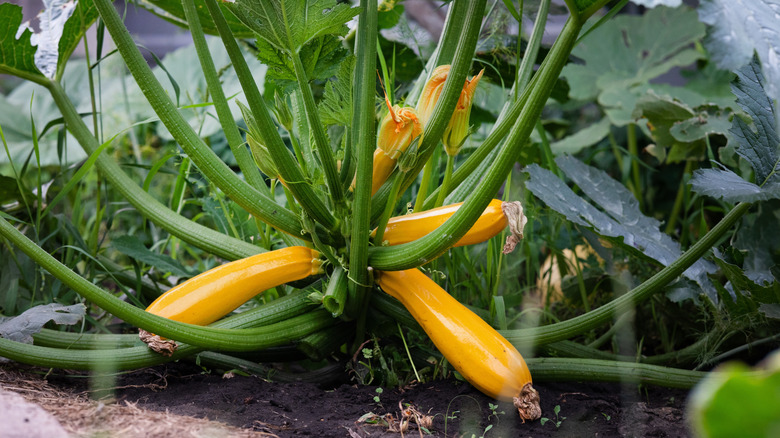
Squash is a versatile and rewarding vegetable that comes in various types, such as zucchini, butternut squash, and summer squash. For those new to gardening, patty pan squash (Curcurbita pepo) is an excellent choice because it's easy to grow and requires minimal maintenance. As part of the gourd family (Cucurbitaceae), squash plants thrive during the warmer months, often producing long vines that spread across your garden or yard. While their growth can be impressive, it’s important to recognize when pruning is necessary to ensure healthy development and a bountiful harvest.
Pruning plays a crucial role in maintaining the health of your squash plants. It helps promote more vigorous growth, improves air circulation, and prevents diseases from spreading. However, knowing when to prune is just as important as how to do it. Here are eight clear signs that indicate your squash plants need attention.
1. The First Flowers Bloom
One of the best times to start pruning is when your squash plants produce their first flowers. After transplanting them into your garden, keep an eye out for blooms appearing a few weeks later. This is a clear signal that it's time to assess the plant's growth and trim any leaves that may be hindering its development. Using quality tools like durable gardening gloves and sharp pruning shears can make the process easier and more efficient.
2. Signs of Mildew
If you notice a white, powdery substance on the leaves of your squash plants, this could be a sign of mildew. Specifically, Erysiphe cichoracearum is a common type of mildew that affects squash. To prevent the spread of the disease, it’s essential to remove the infected leaves immediately. Be careful not to touch the affected areas, as this could spread the infection further. Additionally, avoid composting these leaves; instead, dispose of them in the trash or burn them completely.
3. Overcrowded Growth
Excessive foliage is another indicator that your squash plants may need pruning. If stems and leaves are overlapping or growing too close together, they’re competing for nutrients, which can reduce overall yield. Ensure there is at least 2 to 4 feet of space between each plant. While pruning, be mindful not to remove the flowers, as they are essential for pollination and fruit development.
4. Pest Infestation or Leaf Discoloration
Yellowish or green spots on the leaves may suggest a pest problem, such as squash bugs (Anasa tristis). These pests feed on the sap of your plants, causing discoloration and damage. Grayish or tan-colored spots might indicate downy mildew, a fungal issue that spreads quickly. Prune affected leaves as soon as you notice changes in color to prevent the problem from worsening. A simple toilet paper roll hack can also help protect your plants from pests.
5. Leaves Touching the Ground
When the leaves or stems of your squash plants come into contact with the ground, it creates a breeding ground for pests and critters. This can lead to significant damage and even attract unwanted visitors to your garden. Removing these leaves is a critical step in maintaining the health of your plants and preventing further issues.
6. Vines Not Producing Flowers
Some vines may grow without producing any flowers. These should be pruned by identifying the vines that are not attached to the main stem and trimming them back. However, if the vines are part of the primary stem, it’s best to leave them, as they are essential for the plant’s structure and growth.
7. Dead or Dying Leaves
The presence of brown or yellow leaves is a strong indicator that pruning is needed. These leaves are often a result of age or stress and should be removed promptly. Pruning dead leaves not only frees up space but also directs nutrients to the healthier parts of the plant, encouraging better fruit and flower production.
8. End of the Harvest Season
Finally, as the harvest season comes to an end, it’s time to consider pruning your squash plants. The timing will vary depending on the type of squash you're growing. A good way to determine readiness for harvesting is by pressing your fingernail into the fruit. If it doesn’t puncture, the squash is ready to be picked. Winter squash typically reaches its peak in September or October.
By recognizing these signs and taking timely action, you can ensure your squash plants remain healthy and productive throughout the growing season. Whether you're a seasoned gardener or just starting out, proper pruning techniques will help you achieve a more abundant and rewarding harvest.

Post a Comment for "8 Signs Your Squash Plants Need Pruning"
Post a Comment