
Are GPS Pet Trackers and Fitness Trackers the Same?
Understanding the Role of Pet Wearables
For pet owners, ensuring the safety and well-being of their furry companions is a top priority. While traditional methods like microchipping and secure fencing are essential, there’s an ongoing concern about pets slipping away or not getting enough exercise. Fortunately, modern technology has introduced innovative tools to help address these worries. From GPS trackers that provide real-time location updates to fitness monitors that track activity levels, these devices offer valuable insights into your pet’s health and behavior.
What Are Pet GPS Trackers?
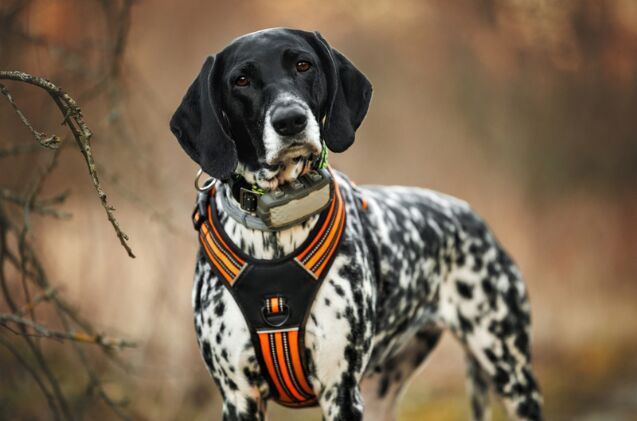
Pet GPS trackers are small devices typically worn on a collar that use satellite technology to pinpoint a pet’s exact location in real-time. These devices function like personal GPS systems for pets, allowing owners to know where their animals are at any given moment. Originally designed for hunting dogs, they have become increasingly popular among pet owners who want to keep their pets safe.
The way a GPS tracker works involves receiving signals from multiple satellites orbiting the Earth. This data is then sent to a server, which can be accessed via a smartphone app or a handheld receiver. Most trackers rely on a cellular network, requiring a monthly subscription, but some models use standalone GPS technology, making them functional even without a cell connection.
Key features of pet GPS trackers include:
- Real-Time Location Tracking: Provides instant access to a pet’s current position.
- Geofencing: Alerts you when your pet leaves a designated area.
- Location History: Keeps a record of where your pet has been.
- Durability: Built to withstand harsh conditions and outdoor adventures.
These devices are particularly useful for pets that enjoy exploring or are known escape artists. They also offer greater reliability than Bluetooth trackers, such as Apple AirTags, which only work within a short range.
Some recommended GPS trackers include the Tractive Smart GPS Tracker, Fi Series 3+ Smart Dog Tracker Collar, Weenect GPS Collar, Halo Collar 3, and Garmin T 5X.
Understanding Pet Fitness Trackers
Unlike GPS trackers, pet fitness trackers focus on monitoring a pet’s health and activity levels. These devices, often attached to a collar or harness, use internal sensors to detect movement and translate it into data points like steps taken, distance traveled, and calories burned. The information is typically synced to a smartphone app via Bluetooth, eliminating the need for a monthly subscription.
Fitness trackers provide several benefits:
- Activity Monitoring: Tracks daily steps, active time, and rest periods.
- Behavioral Insights: Some models monitor changes in sleep patterns or unusual behaviors that may indicate health issues.
- Goal Setting: Allows you to set activity goals based on your pet’s breed, age, and weight.
- Health Reports: Offers long-term data that can be shared with a veterinarian during checkups.
These devices are ideal for managing weight, monitoring recovery after an injury, and tracking mobility in aging pets. They are especially beneficial for pet owners focused on preventative care and ensuring their pets maintain a healthy lifestyle.
Popular fitness trackers include the FitBark Activity Monitor, Link GPS Dog Tracker + Activity Monitor, PetPace AI Health Monitor, and Minitailz Health & GPS Tracker for Dogs.
GPS or Fitness Tracker: Which is Right for You?
When choosing between a GPS tracker and a fitness tracker, consider your specific needs and your pet’s lifestyle. If your main concern is keeping your pet safe and preventing them from getting lost, a GPS tracker is the best option. For those focused on health and wellness, a fitness tracker provides more value.
The All-in-One Solution: Combining Both Features
In recent years, many brands have developed hybrid devices that combine both GPS and fitness tracking capabilities. These all-in-one solutions offer real-time location tracking, geofencing alerts, and health monitoring features. By integrating cellular/GPS technology and accelerometers, these devices provide a comprehensive view of your pet’s well-being.
While these devices often require a subscription plan, the convenience and peace of mind they offer make them a worthwhile investment. They eliminate the need to choose between safety and health, providing a holistic approach to pet care.
The Future of Pet Well-Being
Ultimately, the choice between a GPS tracker, a fitness tracker, or a combination of both depends on your unique needs as a pet owner. These technologies are more than just gadgets; they are powerful tools that enhance your ability to care for your pet. By investing in these devices, you’re taking an active role in ensuring your pet lives a safe, healthy, and fulfilling life.

Post a Comment for "Are GPS Pet Trackers and Fitness Trackers the Same?"
Post a Comment