
Black Teachers: Vital in a Divided Era, Vulnerable Now
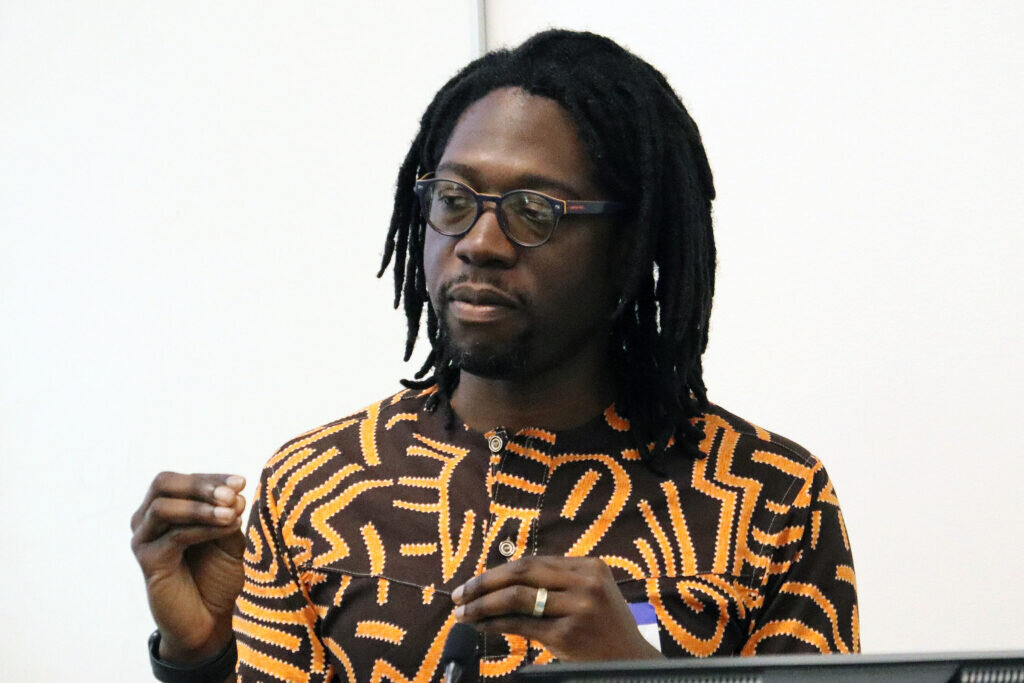
The Role of Black Teachers in American Education
Millions of U.S. students are returning to schools that face significant challenges, including strained resources, immigration enforcement, and cultural conflicts. Teachers are under immense pressure, with Black teachers experiencing unique stressors. According to Travis J. Bristol, a UC Berkeley scholar, these pressures often fall most heavily on Black educators.
Over the past few decades, efforts to increase the number of Black teachers in classrooms have shown success. However, despite these gains, many Black teachers are leaving the profession, particularly in urban schools. Bristol, an associate professor at UC Berkeley's School of Education, highlights that while Black teachers positively impact student outcomes, the conditions in these schools are pushing them out.
Bristol and co-author Desiree Carver-Thomas conducted research that revealed several key findings. In classes led by Black teachers, Black students tend to be happier, more academically successful, less likely to be suspended, and more likely to enroll in advanced courses. Additionally, Black teachers have a positive influence on other students' achievements.
However, there are troubling trends. While the number of Latinx and Asian American teachers has increased, the proportion of Black teachers in the U.S. dropped from 8.6% in 1990 to 6.1% in 2020—a decline of nearly one-third. Another study found that 41% of Black teachers would leave teaching for higher-paying jobs, compared to 34% of white teachers. Many young Black teachers are placed in challenging urban classrooms without adequate training or support.
Bristol, who is also the faculty director of Berkeley’s Center for Research on Expanding Educational Opportunity, understands the challenges faced by Black teachers and their students. He emphasizes the importance of context when discussing the role of Black teachers today.
The "Second Nadir" and Its Impact
The term "second nadir" refers to a period of heightened racial tension in America, following the election of the first Black president, Barack Obama. This era is marked by attempts to reestablish a racial hierarchy where Black people are considered lower caste. It coincides with public lynching by law enforcement and vigilantes, as well as the rollback of affirmative action and the rise of figures like Donald Trump, who questioned Obama's citizenship.
This context is crucial because it highlights the ongoing struggle for equality. While Black individuals are gaining power, their representation in public schools continues to decline. During the Obama administration, evidence showed that Black teachers significantly improved outcomes for Black students. However, this progress faces resistance during the current "second nadir."
Historical Roles of Black Teachers
In the decades after the Civil War, Black teachers played a vital role in segregated communities. They worked to create rigorous academic environments so that Black children could compete with their white peers. These teachers provided a safe space for students, reinforcing messages of self-worth and capability in a society that often devalued Black lives.
As civil rights and integration advanced, Black teachers were often left behind. Many lost their jobs when schools integrated, and Black men, in particular, were excluded from leadership roles due to systemic sexism and racism. This left Black students navigating hostile white spaces without the support they needed.
Academic Benefits of Black Teachers
Research shows that Black teachers improve academic outcomes for Black students. From the 1970s through the 2000s, having a Black teacher increased the likelihood of attendance, higher test scores, college enrollment, and reduced suspension rates. These benefits extend beyond Black students, as recent studies show decreased suspension rates for Latinx and Asian American students with Black teachers. White students also benefit from exposure to Black teachers, who set high academic expectations.
Broader Impacts and Future Directions
Black teachers provide all students with a glimpse into Black competence and leadership, fostering a more interconnected understanding of society. Exposure to Black educators helps white students see Black people as equals, preparing them for a globalized world.
While much of Bristol’s work has focused on Black men, he now emphasizes the need to address the experiences of Black girls as well. Despite performing better than Black boys, Black girls still face disparities compared to their white and Asian American peers.
Challenges for Black Teachers
The last 10–20 years have been difficult for all teachers, but especially for Black educators in urban settings. While there have been investments to increase the number of teachers of color, the number of Black teachers has declined. Policies from the Obama administration, such as closing underperforming schools, disproportionately affected Black students and teachers.
Supporting Black Teachers
To retain Black teachers, schools must provide better working conditions and support. Leadership plays a critical role in creating inclusive environments. Programs that offer scholarships for school leaders and community-based support systems can help address these issues.
Looking Ahead
Despite challenges, Bristol remains optimistic about the potential for change. He believes that sustained efforts to diversify the educator workforce are essential for fulfilling the American ideal of inclusivity and equity. By investing in Black teachers and addressing systemic barriers, society can move closer to a more just and equitable education system.

Post a Comment for "Black Teachers: Vital in a Divided Era, Vulnerable Now"
Post a Comment