
Blazing Heat Lures Visitors to Death Valley's Hidden Dangers
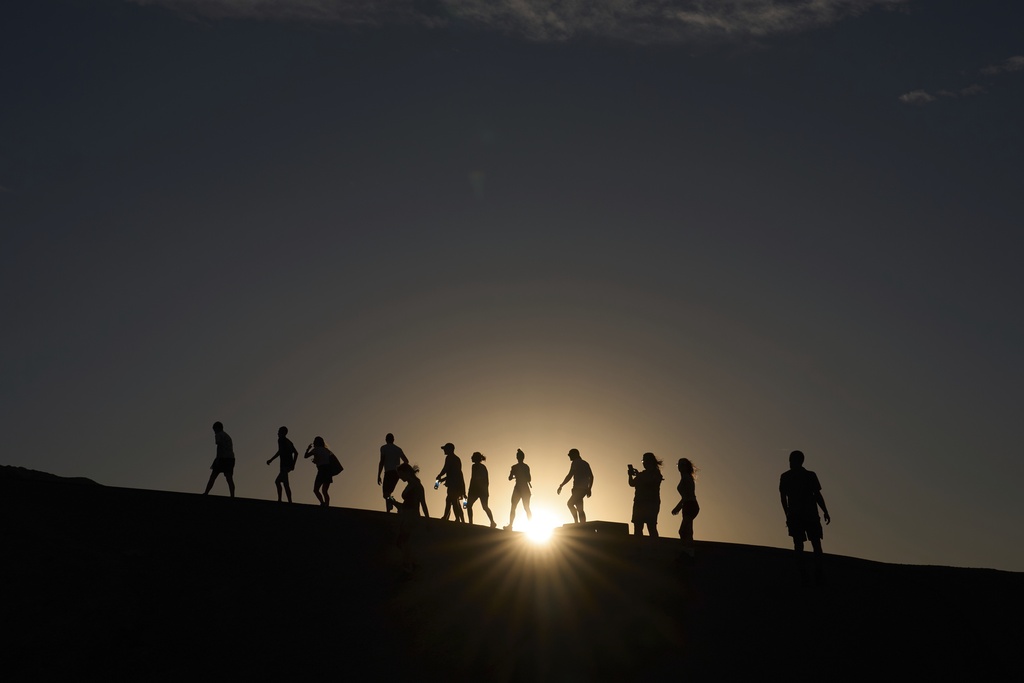
Understanding the Dangers of Extreme Heat in Death Valley
Ray Estrada recently took his 11-year-old grandson to Death Valley National Park, a place known for its extreme heat. The boy was excited to experience the scorching temperatures that are part of the park’s reputation. However, Estrada knew the importance of being cautious. On the day they visited, the temperature reached 118°F (47.78°C), and he reminded his grandson to be vigilant about their safety.
Death Valley is not just a tourist destination; it is also one of the hottest places on Earth. The park holds the record for the highest temperature ever officially recorded—134°F (56.67°C) in July 1913. Despite this, many visitors come to experience the unique landscape and the intense heat. Some even participate in grueling multi-day races, while others are simply curious about the environment.
However, the heat can be deadly. Each year, one to three people die from the extreme conditions, and park rangers respond to overheated visitors multiple times per week. This makes communication about heat safety a top priority for the National Park Service.
The Challenge of Communicating Heat Safety
Abby Wines, the park's acting deputy superintendent, emphasizes that people often underestimate the dangers of heat. She explains that many individuals think of heat as merely uncomfortable and believe they can endure it. However, the reality is that the heat can be fatal.
One of the biggest challenges is making sure visitors understand the risks. Signs throughout the park warn of the dangers, such as “Stop. Extreme heat danger. Walking after 10 a.m. not recommended” and “HEAT KILLS!” There are also reminders on bathroom walls about hydration, with charts showing urine color as an indicator of water intake.
Another critical factor is the availability of emergency services. Helicopters may not be able to operate in extreme heat, and ambulances are not always reliable. For hikers lost on trails, rescue options are even more limited, especially when temperatures exceed 115°F (46.11°C). In such cases, rescuers might wait until sunset, which could be too late.
Risks and the Illusion of Control
Baruch Fischhoff, a professor at Carnegie Mellon University, notes that people tend to underestimate risks when they feel in control. Information that highlights the lack of rescue options during extreme heat can help reduce this illusion of control. However, failing to recognize these risks can have deadly consequences.
Last summer, a tragic incident occurred when a group of motorcycle riders encountered extreme heat. One person died, and another was hospitalized due to severe heat illness. Rescue efforts were hampered by the high temperatures, which made helicopter operations impossible.
The Complexity of Public Communication
The National Park Service faces challenges in communicating heat safety effectively. While the park sees a surge in visitors during the summer months, it is the moderate temperatures that often lead to more incidents. People may not realize how quickly sweat evaporates in the dry desert air, leading them to underestimate their need for hydration.
With over 50 entrances, many visitors do not interact with rangers who can provide important information. Instead, the park relies on warning signs placed in the hottest areas. However, studies show that people are less responsive to permanent-looking signs compared to those that appear temporary.
Marc Green, an expert in experimental psychology, explains that if a warning sign is always present, it loses its impact. People begin to ignore it, thinking it is not relevant to their current situation.
Understanding Public Perceptions of Heat
Jennifer Marlon, a senior research scientist at the Yale School of the Environment, has studied public perceptions of extreme heat. She notes that factors such as age, race, gender, income level, and location influence how people perceive heat risks. For example, older white men tend to have lower risk perceptions, while women generally have higher awareness.
Marlon also highlights the concept of optimism bias, where individuals believe that extreme heat will not affect them personally. Even though experiences with heat can increase concern, this effect is short-lived and tends to fade over time.
Effective Communication Strategies
To combat these challenges, Marlon suggests specific and actionable communication. Instead of general warnings, it is essential to inform people about what could happen to their bodies and what steps they should take to stay safe.
Death Valley National Park provides clear guidelines to visitors, including avoiding hiking at low elevations after 10 a.m., staying on paved roads, carrying plenty of water, and seeking shade if symptoms like dizziness or headaches occur.
Marlon also proposes naming heat waves, similar to hurricanes, to capture attention. Additionally, the messenger plays a crucial role. Personal stories and community leaders modeling safe behavior can be more effective than online information alone.
Finally, using visual aids, such as images of people drinking water or resting in the shade, can help reinforce safe practices. As social animals, humans are influenced by body language and visual cues, making this approach particularly effective.

Post a Comment for "Blazing Heat Lures Visitors to Death Valley's Hidden Dangers"
Post a Comment