
Budget cuts threaten local health initiatives at a hidden federal agency
The Struggles of a Vital Federal Agency
The Health Resources and Services Administration (HRSA), a federal agency that plays a critical role in supporting community health centers, addiction treatment services, and workforce initiatives for vulnerable populations, has faced significant challenges due to staffing reductions. This agency distributes over $12 billion annually, ensuring that essential programs reach those in need across the United States. However, these efforts have been undermined by a series of staff cuts initiated during the Trump administration.
Carole Johnson, who previously led HRSA, described the staffing purges as "just a little astonishing." She left the agency in January 2025 with the change in administration and expressed concerns about the impact of these cuts on the agency's ability to distribute grants effectively. Since February, approximately a quarter of HRSA's workforce, including analysts, auditors, scientists, grant managers, and nursing consultants, has left the agency, according to a KFF Health News analysis.
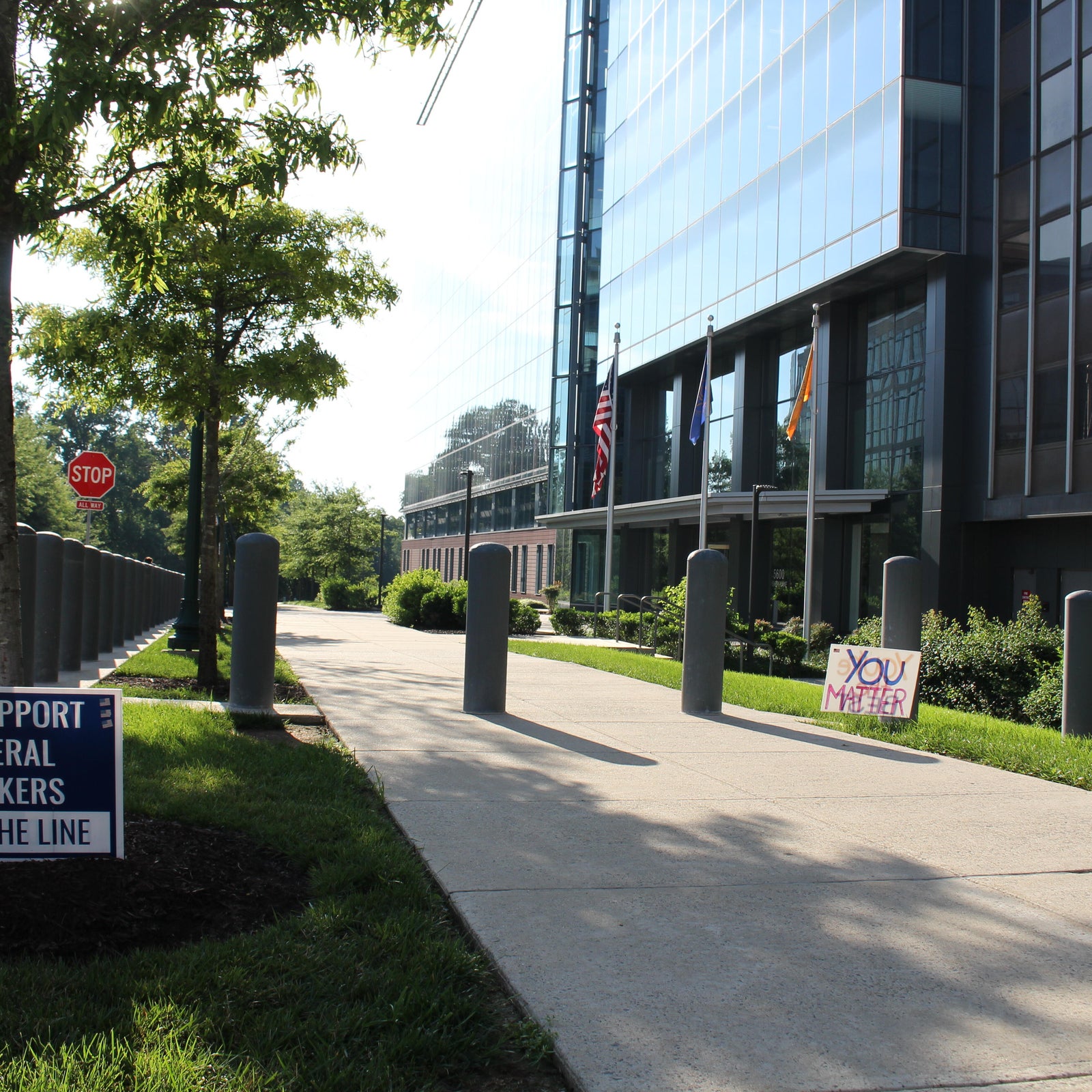
The agency, based in Rockville, Maryland, employed around 2,700 staff members in early 2025. These employees managed and monitored thousands of projects nationwide, funding primary health providers, HIV/AIDS treatment and prevention, maternal and child care programs, rural hospitals, and workforce training initiatives. On the ground, HRSA's grants have supported various programs, such as telehealth initiatives for mothers in rural New Mexico, workforce training for Indigenous nurses in South Dakota, and Healthy Start programs for expectant mothers and babies in rural Georgia.
Ryan Alcorn, CEO of GrantExec, emphasized that every American benefits from HRSA's programs. He stated that when the safety net fails, hospitals become overwhelmed, unpaid costs rise, and premiums increase for everyone. Former HRSA leaders confirmed the magnitude of the cuts estimated by KFF Health News, with some believing the actual number of workers lost is even higher.
Over 700 workers were either fired or chose to leave between February and June, according to data from the HHS employee directory. However, this count may not be entirely accurate, as it does not include workers who opted out of being listed. Johnson, now a senior fellow at the Century Foundation, and other former employees expressed concerns that specific programs could be eliminated, and reduced staffing might affect ongoing program oversight.
The agency's workforce ethos is one where even if only two people remained, they would work around the clock to ensure funds are distributed. However, recent events have shown that this commitment is being tested. For example, the Scholarship for Disadvantaged Students program, which helps schools pay for students to train as dentists, physician assistants, midwives, and nurses, has seen funding stop flowing to colleges and universities. Candice Chen, acting associate administrator of HRSA's health workforce bureau, confirmed that some competitions were canceled.
U.S. Rep. Diana DeGette (D-Colo.) asked whether these cancellations were due to the Trump administration, but Chen paused before responding, stating that "the funding decisions were made across the administration." Officials from several schools declined to comment on the issue, while Patrick Gonzales, a spokesperson for the University of Texas-Rio Grande Valley, said the school is helping students navigate this transition.
Sen. Angela Alsobrooks (D-Md.) has called for Health and Human Services Secretary Robert F. Kennedy Jr.'s resignation, citing the lack of a defensible answer for eliminating thousands of workers across federal agencies. In April, a dozen Democratic senators sent a letter to Kennedy demanding answers about the mass firings, noting HRSA's critical role in improving access to healthcare for vulnerable populations. HHS did not respond to the letter, and Sen. Lisa Blunt Rochester (D-Del.) criticized the administration for refusing to answer basic questions about the firings.
President Trump's proposed fiscal 2026 budget includes eliminating HRSA and some of its programs, such as grants to rural hospitals, workforce training, Ryan White HIV/AIDS programs, and emergency medical services for children. HRSA spokesperson Andrea Takash stated that HHS is undergoing organizational changes to support multiple goals while ensuring continuity of essential services.
Despite these challenges, HRSA continues to process new funding announcements and awards for health centers, workforce programs, child and maternal health initiatives, and other critical programs. The agency's largest bureau supports thousands of community health centers that serve over 31 million people nationwide. However, cuts to health centers could face increased scrutiny due to the bipartisan support for their funding.
An additional 42% of health center funding comes from Medicaid, a federal and state insurance program that covers low-income individuals and those with disabilities. Congress recently voted to reduce Medicaid funding, adding to the challenges faced by health centers. Joe Stevens, spokesperson for the Virginia Community Healthcare Association, noted that health centers are rethinking their operations due to these cuts and the increased administrative challenges of processing HRSA grants.
HRSA staff have worked through changes to their technology systems and transitioned work as employees left their jobs. Despite a February executive order freezing federal funding and a March announcement that HHS would lay off 10,000 workers and shut down entire agencies, including HRSA, the agency has continued processing grants.
Michael Warren, who previously led HRSA's Maternal and Child Health Bureau, described the staffing cuts as "substantial." He highlighted the importance of the bureau's work, which awarded over $628 million in grants between October 1, 2024, and July 22, 2025, to programs that included block grants to states and funding for home visiting programs.
Warren, now the chief medical and health officer for the March of Dimes, emphasized the crisis in maternal health in the U.S., which is among the most dangerous places in the world to give birth. He noted that his former employees wake up every morning thinking about how they can help mothers, children, and families.
For this article, KFF Health News calculated workforce reductions at HRSA using public information from the Department of Health and Human Services directory. The analysis compared the number and type of employees listed with HRSA in February to those in early July, excluding interns, fellows, student trainees, and volunteers. Reporters also cross-checked the estimates with former employees.
KFF Health News is a national newsroom that produces in-depth journalism about health issues and is one of the core operating programs at KFF— the independent source for health policy research, polling, and journalism.

Post a Comment for "Budget cuts threaten local health initiatives at a hidden federal agency"
Post a Comment