
Deadliest Animal Near Your Florida Home – Stay Protected
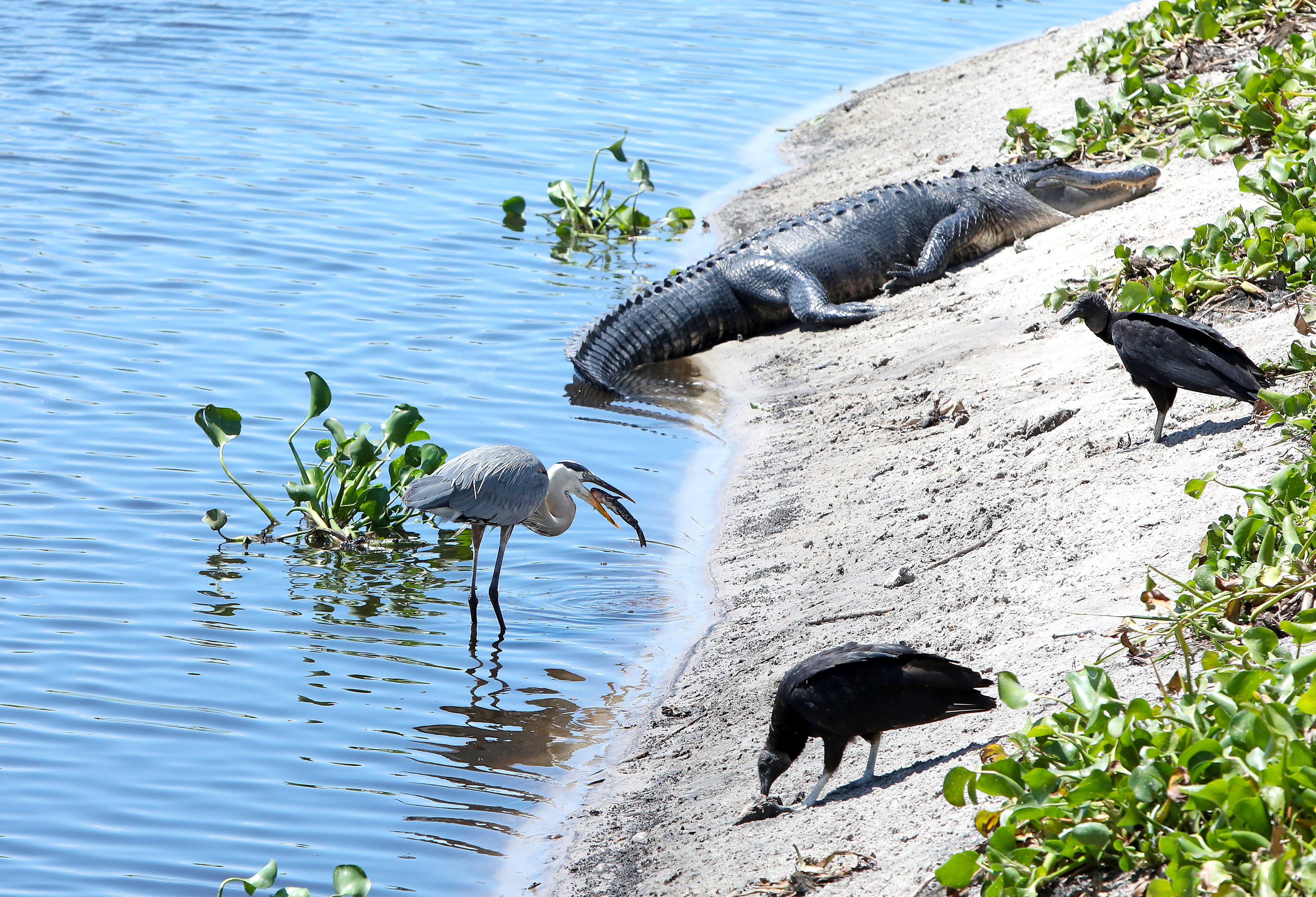
The World's Deadliest Animal: A Hidden Threat in Florida
When it comes to the world's most dangerous animal, many might immediately think of alligators, sharks, or pythons. However, the real danger lies in a much smaller and more common creature — the mosquito. According to the Centers for Disease Control and Prevention (CDC), the mosquito is responsible for more human deaths than any other animal on the planet. This tiny insect spreads deadly diseases such as malaria, dengue, West Nile virus, yellow fever, Zika, and chikungunya.
In Florida, where the climate supports mosquito breeding, there are over 80 species of mosquitoes. While not all of them carry disease, several are known to transmit serious illnesses. The Florida Department of Health closely monitors these cases, tracking both locally acquired and travel-related infections.
Mosquito-Borne Illnesses Confirmed in Florida
Between January 1 and August 2, the Florida Department of Health reported the following confirmed cases of mosquito-borne illnesses:
- West Nile Virus: 5 asymptomatic blood donors
- Chikungunya: 4 cases in individuals with travel history (Broward: 2, Lake: 1, Miami-Dade: 1)
- Dengue: 122 cases in those with travel history; 7 cases in non-Florida residents
- Malaria: 28 cases in those with travel history; 9 in non-Florida residents
These numbers highlight the ongoing threat that mosquitoes pose, even in areas where they may seem harmless.
Diseases Tracked by the Florida Department of Health
The agency tracks several mosquito-borne diseases, including:
- West Nile fever and West Nile encephalitis
- Eastern equine encephalitis virus
- St. Louis encephalitis virus
- Dengue virus
- Chikungunya virus
- Zika virus
- California encephalitis group viruses
- Malaria
Florida’s "Most Wanted" Mosquito Species
While there are over 80 mosquito species in Florida, five are particularly concerning due to their ability to spread diseases:
- Aedes aegypti (Yellow Fever Mosquito): Found throughout Florida except the Panhandle, this species transmits dengue, chikungunya, and Zika.
- Aedes albopictus (Asian Tiger Mosquito): Present in all counties, it also carries dengue, chikungunya, and Zika.
- Culex quinquefasciatus (Southern House Mosquito): Abundant across the state, it spreads West Nile virus and St. Louis encephalitis.
- Aedes taeniorhynchus (Black Salt Marsh Mosquito): Common in salt marshes, it can carry dog heartworm.
- Psorophora ciliata (Gallinipper): Known for its large size, but does not transmit disease.
What Attracts Mosquitoes?
Mosquitoes are drawn to certain conditions, including:
- Damp or humid areas
- Standing water
- Warm temperatures
- Dark, shady areas
- Carbon dioxide from human breath
Do Mosquito-Repelling Plants Work?
Many people turn to plants like citronella and lavender to keep mosquitoes away. However, experts say that while these plants contain compounds that repel mosquitoes, they must be processed into oils and applied directly to be effective. Simply planting them in a garden may not provide significant protection.
How to Minimize Mosquitoes in Your Yard
Residents can take several steps to reduce mosquito populations:
- Reduce habitats: Empty flower pots, bird baths, and any containers that hold standing water.
- Use plants that attract predators: Native aquatic plants can attract dragonflies, which are natural mosquito hunters. Shrubs and trees can also provide shelter for birds that eat mosquitoes.
- Add fish: For permanent water features, consider adding Gambusia fish, which feed on mosquito larvae.
- Cover rain barrels: Use screens to prevent mosquitoes from laying eggs in water storage systems.
- Encourage predators: Birds, bats, and other wildlife can help control mosquito populations naturally.
Effective Mosquito Repellents
According to the CDC, the following ingredients are most effective in mosquito repellents:
- DEET
- Picaridin
- Oil of Lemon Eucalyptus or PMD
- IR3535
- 2-undecanone
Products containing permethrin are recommended for use on clothing, shoes, and camping gear.
Items That Don’t Work
Some products, such as mosquito plants, bug zappers, garlic, vitamin B, and ultrasonic devices, have been shown to be ineffective. It's important to avoid wasting money on these gimmicks.
By understanding the risks and taking proactive measures, Florida residents can enjoy the outdoors while minimizing the threat of mosquito-borne illnesses.

Post a Comment for "Deadliest Animal Near Your Florida Home – Stay Protected"
Post a Comment