
Drop Palantir's $10 Billion Army Contract. This Story Is Bigger.
Key Developments in U.S. Defense Contracts
The U.S. Department of Defense has made several significant contract awards, with one standing out as particularly notable. In a major move, the Pentagon awarded Palantir Technologies a $10 billion contract last month. This deal consolidated 75 smaller contracts into one, ensuring Palantir about $1 billion in annual revenue for the next decade. The contract has already had a positive impact on Palantir's stock, which has seen a substantial increase this month, adding $45 billion to its market capitalization.
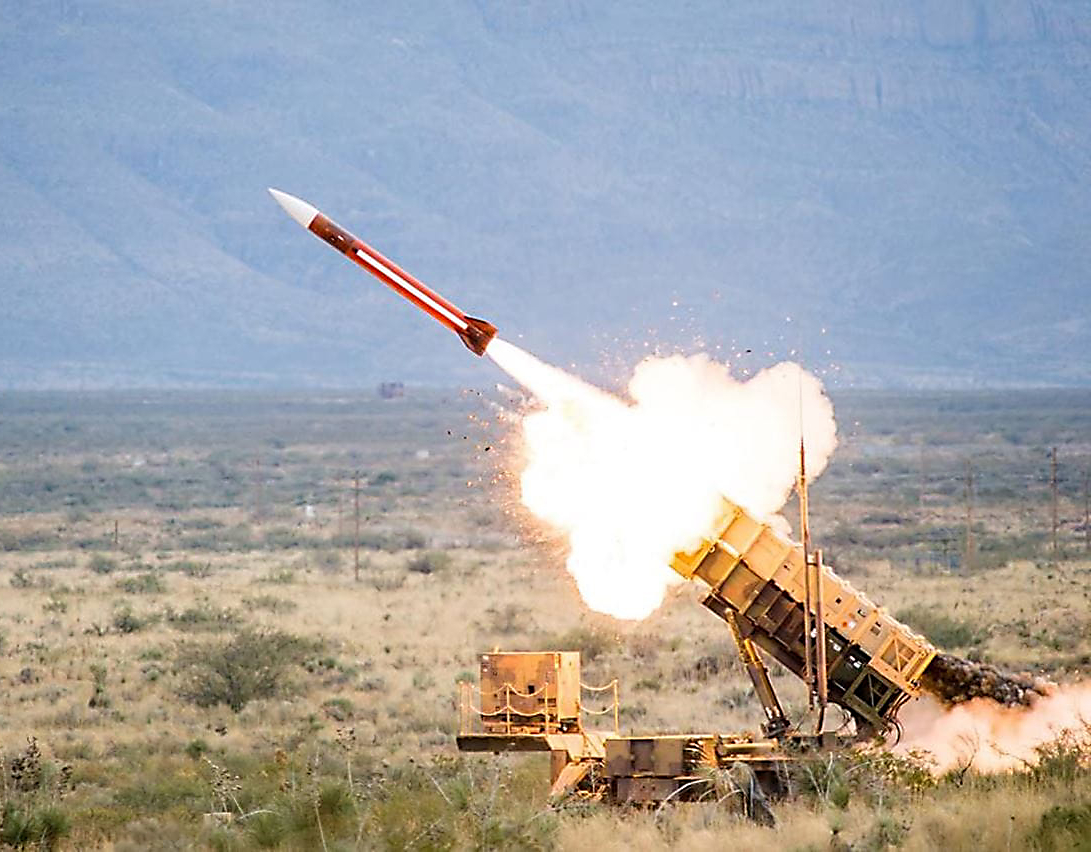
However, Palantir’s $10 billion award was not the largest defense contract given out by the Pentagon during that time. On the same day, the U.S. Defense Logistics Agency (DLA) announced a much larger contract worth $50 billion, five times the size of Palantir’s deal. This contract was awarded to RTX, formerly known as Raytheon, and it is expected to support the Patriot missile systems for the next 20 years.
Understanding the RTX Contract
The $50 billion contract is described as an "umbrella" agreement, covering various aspects of RTX systems, including production, spare parts, services, and other forms of support. While the exact details of the contract were not fully disclosed, multiple sources indicate that it is specifically for maintaining the Patriot air defense systems. This long-term commitment is significant, as the contract is set to run for 20 years without requiring renewal of option periods.
It is important to note that the $50 billion figure represents the maximum value of the contract. If the Army utilizes the full amount, it would translate to approximately $2.5 billion in annual revenue for RTX over the next two decades. This is a considerable sum, especially when considering the company's overall business operations.
RTX’s Business Structure and Profitability
RTX is a large industrial company with diverse business segments, including Collins Aerospace, Pratt & Whitney, and Raytheon. Last year, the company generated sales of $80.7 billion, with each division contributing roughly equally. Raytheon, which previously represented the entire company, had sales of $26.7 billion. The Patriot contract accounts for about 9.4% of Raytheon's total annual revenue.
Among the three divisions, Collins Aerospace is the most profitable, with an operating profit margin of 14.5% on $28.3 billion in revenue. Pratt & Whitney, on the other hand, is the least profitable at 7.1%, while Raytheon falls somewhere in between. Based on current profit margins, the new Patriot contract is expected to generate around $243 million annually for RTX before taxes.
Evaluating the Impact on RTX Stock
Despite the size of the contract, it is essential to consider the broader context of RTX’s financial performance. The $243 million in annual profit from the Patriot contract represents only about 4% of what RTX earned over the past 12 months. Moreover, RTX was already selling Patriots to the Army prior to this contract, meaning not all of the $2.5 billion in annual revenue or the $243 million in profit will be new additions.
Analysts estimate that even with this massive contract, RTX’s long-term earnings growth rate is unlikely to change significantly. At its current valuation of 33.5 times trailing earnings, RTX shares appear overpriced given the modest growth prospects. Therefore, the $50 billion contract alone may not be enough to justify an investment in RTX stock.
Investment Considerations
For investors contemplating whether to buy RTX stock, it is crucial to weigh the potential benefits against the company’s current valuation and growth outlook. While the Patriot contract is a significant milestone, it may not be enough to drive substantial growth. Additionally, the Motley Fool’s Stock Advisor team recently identified 10 stocks they believe are better investments than RTX. These recommendations have historically delivered strong returns, with examples such as Netflix and Nvidia showing impressive gains over time.
Investors should carefully evaluate their options and consider the long-term potential of any investment. With the right strategy, there may be opportunities for substantial returns in the coming years.

Post a Comment for "Drop Palantir's $10 Billion Army Contract. This Story Is Bigger."
Post a Comment