
Eliminate Boxelder Bugs Fast
Identifying Boxelder Bugs
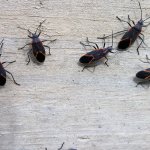
Boxelder bugs, scientifically known as Boisea trivittata, are easily recognizable due to their distinct appearance. These insects measure about half an inch in length and have a black body with red or orange markings along their wings and thorax. Their elongated, oval shape and bold color contrast make them stand out, especially when they gather in large groups on sunny walls or trees.
Juvenile boxelder bugs, called nymphs, are smaller and bright red with no wings. As they mature, they develop darker coloration and wing pads. Nymphs are typically seen in late summer and fall, when both adults and nymphs are most active.
Despite their intimidating look, boxelder bugs are harmless to people, pets, and homes. They don’t bite or sting and won’t damage drywall, wood, or furniture. However, their tendency to swarm in large numbers and release a pungent odor when crushed makes them a frustrating nuisance, especially when they enter homes.
These bugs are often mistaken for other insects like stink bugs or milkweed bugs. What sets them apart is their distinctive red-lined wings, flattened body, and preference for warm, sunlit surfaces. If you notice clusters of bugs on the south or west sides of your home, windows, or trees in the fall, it's likely that you're dealing with boxelder bugs.
The Life Cycle of Boxelder Bugs
Understanding the life cycle of boxelder bugs can help in managing their presence effectively. In spring, adult bugs emerge from their overwintering spots—usually inside walls or attics—and head outdoors to feed and lay eggs on box elder, maple, and ash trees.
By summer, the eggs hatch into bright red nymphs, which mature into winged adults by late summer. These adults become most visible in the fall, when they gather in large numbers on sunlit walls and tree trunks, especially on the south and west sides of homes.
As temperatures drop, they seek out cracks and gaps in buildings to overwinter indoors. Although mostly dormant through winter, they may occasionally reappear on warm, sunny days—often near windows or light sources. Knowing their seasonal behavior helps in timing prevention efforts, especially in early fall when they begin looking for a way inside.
Getting Rid of Boxelder Bugs Inside the House
If boxelder bugs have made their way into your house, don’t panic—they won’t bite, sting, or reproduce indoors. However, their smell and stains can be unpleasant. Here are some effective methods to get rid of them and prevent future infestations:
- Seal Cracks Around Doors and Windows
Boxelder bugs can slip in through small cracks around windows, doors, vents, and siding. To block them: - Seal gaps with silicone caulk or foam sealant.
- Replace old or damaged weatherstripping.
- Check for cracks in baseboards, window trim, and attic hatches.
Do this in early fall before they try to move in for winter. Once they’re inside, they’re much harder to control.
- Trap Them
Boxelder bugs often hide in basements, attics, or ceiling corners during colder months. Set up glue or light-based traps in these low-traffic areas. Look for traps that: - Use UV light or heat to attract bugs.
- Have sticky glue boards to hold them in place.
- Can be easily disposed of once full.
Replace traps regularly to avoid lingering odors. While traps won’t eliminate an infestation, they’re a great supplemental tool for catching stragglers inside the home.
- Vacuum Them
For quick, chemical-free control, vacuum up any boxelder bugs you find on floors, windowsills, or walls. Tips for best results: - Use a vacuum with a hose attachment.
- Avoid squashing them—they can leave stains and stink.
- Empty the vacuum bag or canister right away to prevent odors and pest-attracting residue.
Boxelder bugs don’t reproduce indoors, so once you’ve cleared them out and sealed up entry points, they shouldn’t come back.
- Make a Soap Spray
Instead of reaching for harsh pesticides (which are not very helpful here), mix up a DIY soap spray to kill boxelder bugs on contact. To make the spray: - Mix 1 to 2 tablespoons of liquid dish soap with water in a spray bottle.
- Spray bugs directly when you see them indoors.
- Wipe up the residue and dead bugs after use.
Skip chemical pesticides. They’re often ineffective against boxelder bugs indoors and can leave behind unnecessary toxins.
Getting Rid of Boxelder Bugs Outside
Boxelder bugs are most active outdoors in late summer and fall, especially around sunny walls, tree trunks, and light-colored siding. Taking action early can reduce the number trying to get indoors.
- Spray Them with a Hose
If you spot small groups of boxelder bugs gathering on your home’s siding, foundation, or trees, a strong blast from a garden hose can break them up. Keep in mind: - This won’t kill them, but it disrupts swarming behavior.
- It’s best used as a preventive measure before the bugs grow in number.
- Combine spraying with sealing and cleanup efforts for better results.
Reducing their numbers outside can help you avoid a full-blown infestation indoors later on.
- Use Diatomaceous Earth
For larger swarms, diatomaceous earth is a natural and pet-safe way to kill boxelder bugs outdoors. To apply: - Use food-grade diatomaceous earth.
- Wearing gloves and a mask, sprinkle it around tree bases, especially box elder, maple, or ash.
- Dust along the perimeter of your home, focusing on cracks, door thresholds, and window sills.
This fine powder pierces the bugs’ exoskeletons, causing them to dry out and die within hours. Reapply after rain or if bugs return.
- Spray a Residual Insecticide
In general, chemical sprays are not the first recommendation for managing boxelder bugs. Experts advise that insecticide sprays are often no more effective than vacuuming or using a garden hose, and require repeated application for limited results. However, if bugs are clustered on the exterior of your house and you’ve already tried sealing, trapping, vacuuming, and all of these other recommendations, a professional-grade perimeter spray may help. For persistent infestations in late summer or early fall, a licensed pest professional may apply EPA-approved synthetic pyrethroid insecticides to the foundation, siding seams, eaves, window and door trim, and attic vents to create a residual barrier.
Key things to know: - Don’t spray indoors. Insecticides offer little control once bugs are inside and may attract other pests like carpet beetles. - Be careful with drift or runoff, especially near gardens or waterways. - Spraying should be a last resort, recommended only for severe cases or if sealing and preventive methods aren’t working.
- Replace Seed-Bearing Boxelder Trees
Since the pests feed on the seedpods of female box elder trees, removing them and replacing them with non-seed-bearing male trees (or other species) can help you get rid of the bugs permanently. Keep in mind that the more mature the tree, the costlier it will be to remove. Also, consider that the benefits of the tree—shade, privacy, and curb appeal—may outweigh the insect nuisance.

Post a Comment for "Eliminate Boxelder Bugs Fast"
Post a Comment