
First Openly Gay Tennis Player Seeks to Make Sport More Inclusive for Queer Athletes
A Journey of Self-Discovery and Advocacy
Brian Vahaly's life has been deeply intertwined with tennis. From the moment he first picked up a racket at age two, his path was set on the court. He became a standout athlete during his college years at the University of Virginia, where he earned three All-American honors, reached the NCAA singles final, and graduated with dual majors in finance and business management. His professional career spanned seven years, during which he achieved a career-high ranking of World No. 64 and defeated notable players such as Michael Chang and Juan Carlos Ferrero.
However, Vahaly’s most significant impact has come off the court. In 2017, nearly a decade after retiring due to a rotator cuff injury, he made history by becoming the first current or former ATP Tour player to publicly come out as gay. This milestone placed him alongside other prominent LGBTQ figures in sports, such as Billie Jean King and Martina Navratilova.
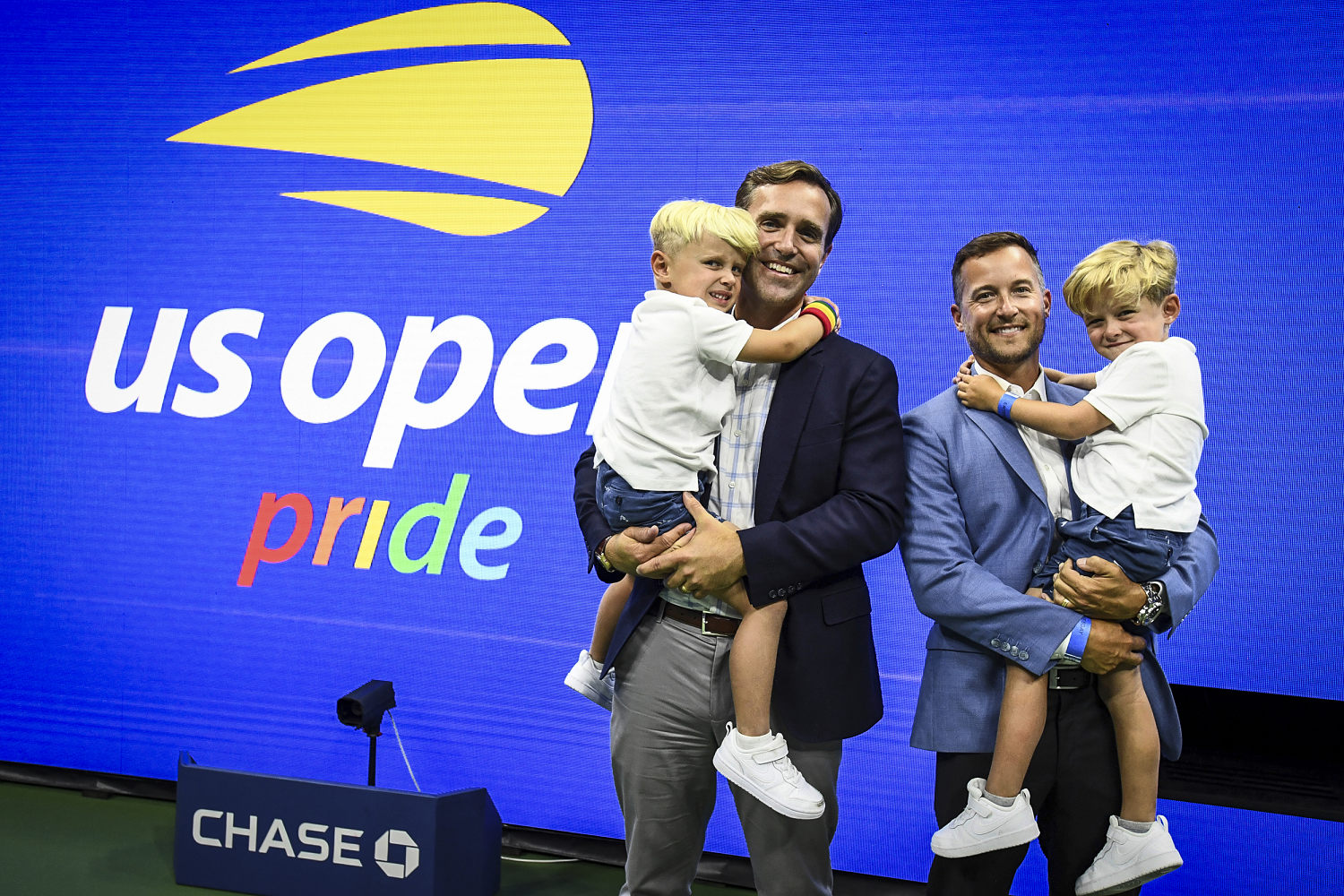
Vahaly described himself as a private person who had long accepted that he would never come out publicly, even though he had shared his sexuality with family and friends. But after becoming a father to twin boys through surrogacy, his perspective shifted. The responsibility of raising his children led him to reconsider his stance on visibility and advocacy.
“I felt this overwhelming sense of responsibility not only to my kids but also to the younger version of myself who felt lonely and isolated,” he said. “It changed my priorities.”
Coming out on a Sports Illustrated podcast was a bold move, knowing it could provoke strong reactions in a sporting community often seen as white, straight, and conservative. While some top players, including Roger Federer, expressed support, Vahaly also faced thousands of negative messages about his family. Despite this, he was prepared for the backlash and remained committed to his decision.
Vahaly’s journey to self-acceptance was not immediate. As a professional athlete, he developed a habit of compartmentalizing emotions that didn’t serve his career. This mindset contributed to internalized homophobia, shaped by growing up in a religious and conservative household and navigating a locker room culture where homophobic remarks were common. It wasn’t until his mid-20s, with the help of a sports psychologist, that he began to confront these feelings. This included reflecting on his experience with conversion therapy, where he was told his attraction to men was a defect that could be cured.
In his second act, Vahaly held senior executive roles at venture capital and investment management firms. However, it was five years after retiring from tennis that he was asked to join the USTA board. Initially hesitant, he eventually accepted, driven by a desire to contribute to player development.
Women’s tennis has had several openly gay players, including Billie Jean King, Martina Navratilova, and Daria Kasatkina. However, male players have been less visible in this space. Only one man, Brazil’s Joao Lucas Reis da Silva, has followed in Vahaly’s footsteps.
Despite progress, challenges remain for male athletes considering coming out, including financial risks from sponsors and travel to countries where being gay is not accepted. Vahaly remains hopeful that the next generation will approach inclusion and self-expression differently.
As an LGBTQ leader in sports, Vahaly still encounters casual homophobia. He emphasizes the importance of humanizing his community rather than pushing for change forcefully. “I’m not trying to push something down anybody’s throat. I’m simply trying to show how and why we’re actually not that different,” he said.
In response to the political climate under President Donald Trump, Vahaly has focused on using the U.S. Open to support LGBTQ organizations. The event will host its fifth annual Open Pride Day on August 28, highlighting the importance of diversity and inclusion in sports.
“I want people to know and see that this is a safe place for them,” Vahaly said. “This is a space where they can feel welcome.”

Post a Comment for "First Openly Gay Tennis Player Seeks to Make Sport More Inclusive for Queer Athletes"
Post a Comment