
Florida: The Testing Ground for MAGA and American Autocracy
The Evolution of Florida as a Center of Right-Wing Power
Over the past decade, Florida has transformed from a swing state into a focal point for the Trumpist movement. The state has not only embraced but also pioneered some of the most controversial policies associated with the MAGA (Make America Great Again) agenda. However, this rightward shift in Florida is not a recent phenomenon—it has been building for decades, mirroring similar trends in the South and other conservative regions of the country.
Florida has long served as a testing ground for illiberal and authoritarian practices. This makes it a crucial case study in understanding the rise of American authoritarianism, which is often portrayed as an imported or imposed ideology. In reality, it is deeply rooted in the nation’s own history and institutions.
Donald Trump's presidency has seen a consolidation of power by MAGA Republicans across key federal institutions, including Congress, the courts, the military, and the regulatory state. Their goal is to reshape the United States into a permanent right-wing regime, dismantling the multiracial, pluralistic democracy that has defined the nation for generations. So far, their strategies have proven remarkably effective.
In his book American Scare: Florida’s Hidden Cold War on Black and Queer Lives, journalist and historian Robert W. Fieseler explores a largely forgotten chapter of American history. He details how Florida in the 1950s and 1960s became a battleground for anti-freedom policies, with a secret committee wielding unchecked power over citizens. This period, marked by extrajudicial tactics and fear-mongering, serves as a chilling precursor to the current era of political turmoil.
Fieseler draws on previously unseen primary documents to reconstruct the story of a covert inquisition that operated from 1956 to 1965. During this time, the state targeted Black integrationists and LGBTQ+ individuals, labeling them as communists and enemies of the people. These actions were not isolated incidents but part of a broader pattern of repression that continues to influence modern politics.
Florida’s Role in the Age of Trump
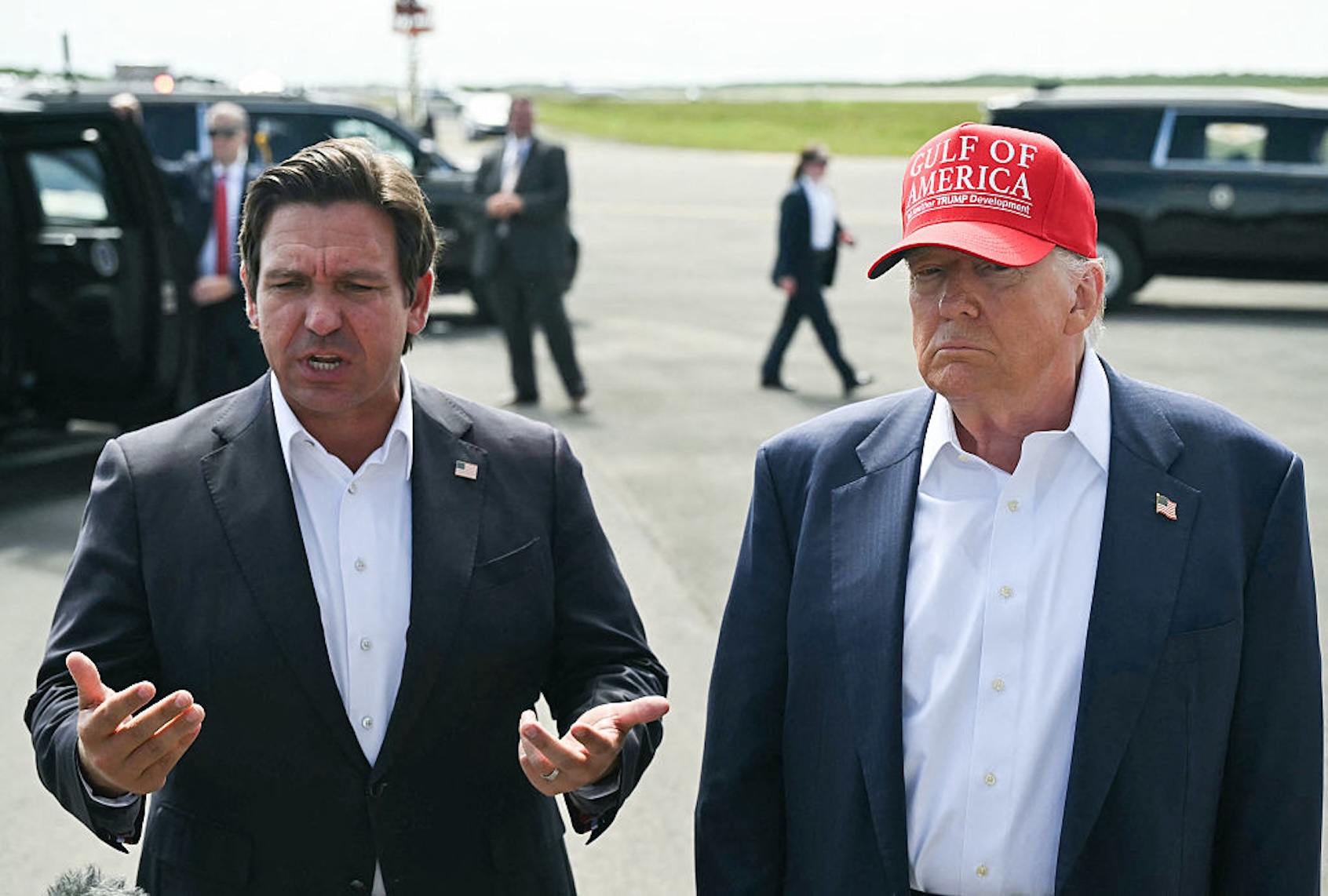
Today, Florida remains a central hub for the Trumpist movement. The state has become a breeding ground for authoritarian ideas, with its political leaders shaping policies that resonate across the country. Washington, D.C., is increasingly influenced by Floridian interests, while Tallahassee acts as a laboratory for radical ideologies. Many of the current leaders in the federal government, including the attorney general and secretary of state, have roots in Florida.
Trump’s time in Florida has reinforced his identity as a strongman aligned with the state’s values—spoils, revenge, gerrymandering, and scapegoating. As former Florida State Senator Lauren Book noted, “When you get power in Florida, you can use it to pick on anyone.” This dynamic has allowed the Trump administration to operate under a framework that mirrors the historical practices of the state.
The connection between Florida and the current political climate is clear. Policies such as the “Don’t Say Gay” bill, efforts to restrict education and free speech, and discriminatory laws targeting the LGBTQ+ community all trace their origins to Florida’s long history of fear-based politics. These measures are not new; they are part of a continuum that stretches back to the post-World War II red scare.
The Legacy of Fear and Repression
The political strategies used by figures like Charley Johns, a powerful segregationist in the 1940s, laid the groundwork for modern authoritarianism. Johns and his faction, known as the Pork Choppers, used fear and misinformation to maintain white dominance. They employed tactics such as blood oaths, social panics, and scapegoating to suppress dissent and uphold a system of racial and gender oppression.
These methods have evolved but remain strikingly similar today. The “Alligator Alcatraz” narrative, which targets marginalized communities, echoes the brutal treatment of Black and queer individuals in Florida’s prison system. Similarly, the current opposition to teaching African American history reflects a broader effort to erase the state’s violent past.
Resistance and Courage
Despite the oppressive forces at play, there have been moments of resistance. Figures like William James Neal, a queer music professor who challenged segregation in Florida, and Father Theodore Gibson, a leader in Miami’s school desegregation efforts, demonstrated the power of individual action. Their victories show that even in the face of overwhelming odds, ordinary Americans can stand up against authoritarianism.
The lessons from the past remind us that justice and accountability are not always immediate, but they are possible through sustained activism, nonviolent resistance, and a commitment to truth. As Fieseler argues, the struggle against authoritarianism is not just about policy—it is about reclaiming the values of dignity, equality, and human rights.

Post a Comment for "Florida: The Testing Ground for MAGA and American Autocracy"
Post a Comment