
Harvard's Windfall: Executives Return to School
Harvard's Shift to Executive Education as a Financial Lifeline
Harvard University is increasingly relying on its executive and professional education programs to sustain its financial stability. This shift has become especially crucial as the university faces one of its most challenging periods in recent history, marked by a combination of rising expenses, declining endowment returns, and reduced donations.
Before the Trump administration’s actions that disrupted federal funding for higher education, Harvard had already begun focusing more on non-traditional educational offerings. These programs cater to professionals seeking to enhance their skills, gain new knowledge, or expand their networks. Many executives have been willing to pay substantial fees—sometimes over $100,000—for these courses, either out of their own pockets or with support from their employers.
These programs have proven to be a reliable source of income, even amid financial pressures caused by the Trump administration’s attempts to limit federal funding. For instance, in 2024, revenue from continuing and executive education accounted for nearly 9% of Harvard’s total operating revenue, which was $6.5 billion. This is a significant increase compared to two decades ago, when such programs generated only $155 million.
A Growing Industry
Executive education at Harvard includes a wide range of options, from short-term certificate programs to multiyear executive training sessions. The programs are not only diverse in content but also in cost, with some courses priced at several hundred dollars and others reaching up to $150,000. These programs attract a mix of participants, including corporate managers, military personnel, and government officials.
The appeal of these programs extends beyond the U.S., with roughly 70% of Harvard Business School’s executive education students coming from abroad. This international reach is a key factor in the program’s success, offering a global perspective that many professionals find valuable.
Support from Alumni and Philanthropy
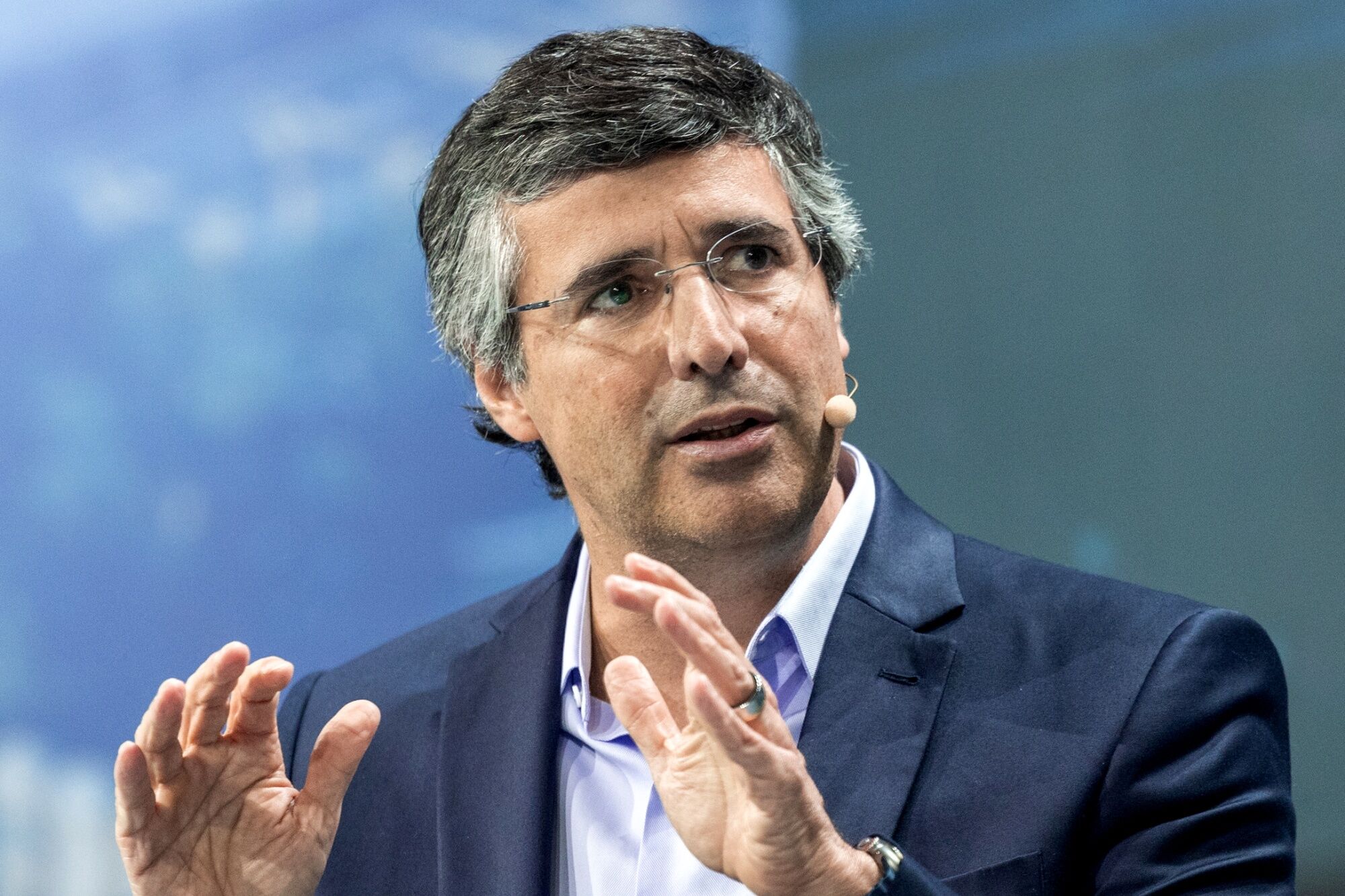
Harvard’s executive education initiatives have also drawn financial support from wealthy alumni and philanthropists. For example, Ratan Tata, an Indian industrialist, funded the construction of Tata Hall at Harvard Business School. Similarly, Brazilian investor Andre Esteves contributed to the renovation of a residence hall named after him.
These contributions highlight the growing influence of executive education in shaping Harvard’s financial landscape. In 2024, executive education was the second-largest source of revenue for Harvard Business School, bringing in $245 million. Online education added another $70 million, showing the increasing popularity of digital learning formats.
Expanding Reach and Opportunities
Other top-tier universities are also investing heavily in executive education. Institutions like MIT, Columbia University, and the University of Virginia are expanding their online offerings and using platforms like LinkedIn to attract working professionals. The Darden School of Business at the University of Virginia, for instance, offers lifelong learning programs tailored for military and government professionals, including access to on-campus accommodations.
Columbia’s business school provides specialized programs for chief financial officers, while MIT is developing a network of campuses to offer both in-person and digital classes. Wharton School of the University of Pennsylvania has established a campus in San Francisco to meet the demand for executive education.
Future Growth and Innovation
Harvard is also looking to the future, with plans to expand its professional education offerings. The TH Chan School of Public Health recently appointed Rifat Atun as vice dean for non-degree education and innovation. His role involves developing new programs, particularly in Latin America and the Middle East.
In addition, the Harvard Extension School is introducing microcertificates in AI-related topics and online graduate certificates that can be stacked toward a master’s degree. These innovations reflect a broader trend in higher education: moving away from traditional models to more flexible, skill-based learning opportunities.
Conclusion
As the landscape of higher education continues to evolve, Harvard’s focus on executive and continuing education highlights a strategic shift toward sustainability and adaptability. With rising costs and uncertain funding, these programs provide not only a financial buffer but also a way to stay relevant in a rapidly changing world.

Post a Comment for "Harvard's Windfall: Executives Return to School"
Post a Comment