
Horikoshi Explains Deku's Unexpected Journey Shift in My Hero Academia
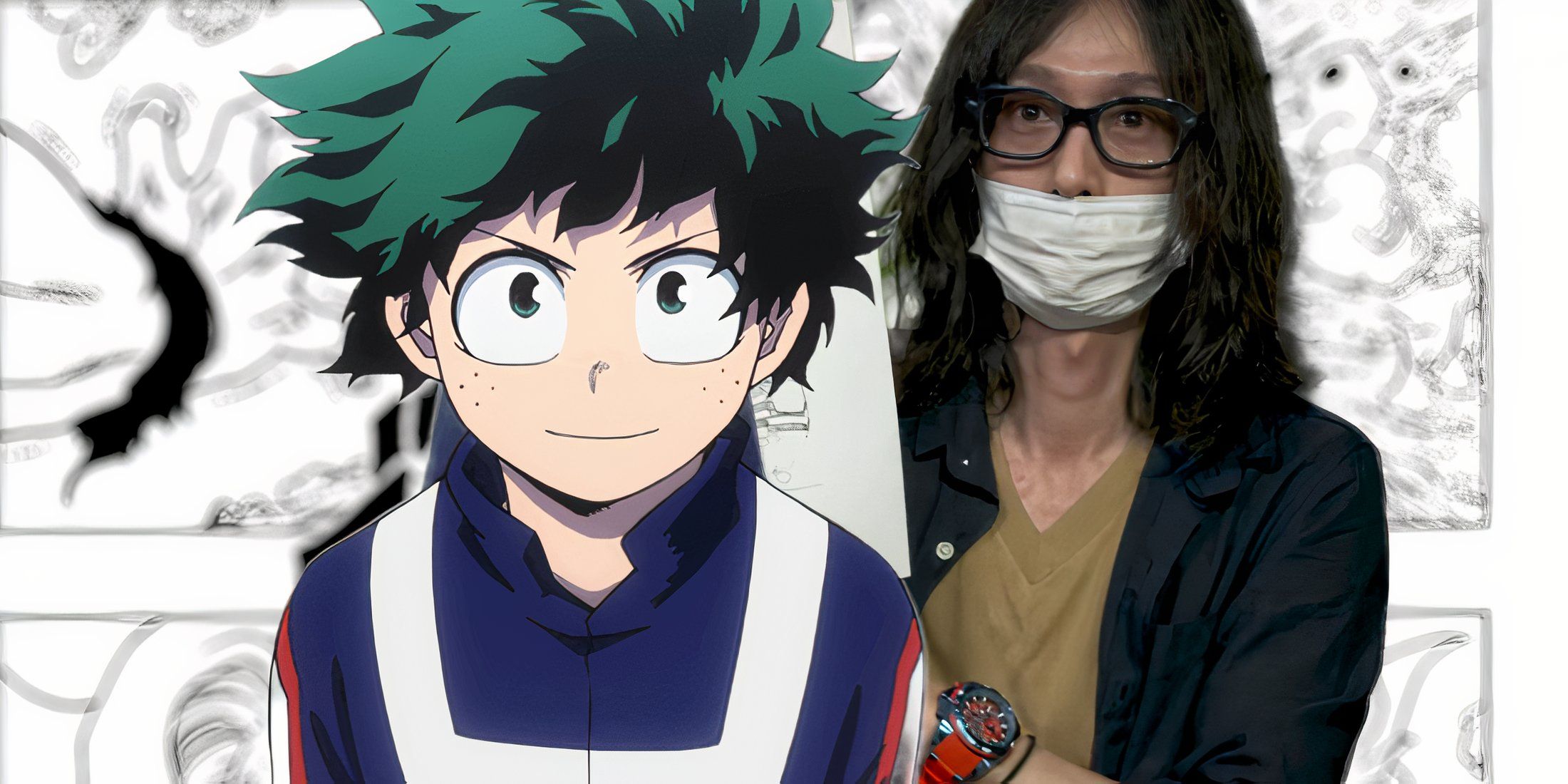
The Evolution of Deku’s Story
My Hero Academia follows the journey of Izuku Midoriya, also known as Deku, from a Quirkless boy with big dreams to one of the most powerful heroes in the world. While he may start off as a bit wimpy and naive compared to other shōnen protagonists, fans have watched him grow into a strong and reliable hero throughout the series. His transformation is not only about gaining power but also about evolving his understanding of what it truly means to be a hero.
One of the most significant changes in Deku's character came in the form of his personal goal. Initially, he stated that his story was about "how I became the greatest hero." This phrase, common among shōnen protagonists, clearly outlined his motivation. However, later on, this message evolved. In volume 32, chapter 324, Deku's iconic speech changed to "how we all became the greatest heroes," shifting the focus from himself to everyone who supported him along the way.
Why Deku’s Statement Changed
The change in Deku’s statement wasn’t just a random decision. According to the author, Kohei Horikoshi, it was influenced by his own evolving views on heroism during the series’ publication. He revealed that during periods of illness or exhaustion, he received support from friends and fans, which made him realize that small acts of kindness could make someone a hero in the eyes of others.
This shift in perspective led Horikoshi to incorporate a more nuanced view of heroism into the story. Instead of focusing solely on individual greatness, the narrative began to highlight the importance of teamwork, support, and the collective effort required to achieve great things. This change was reflected in Deku’s words, showing how he recognized the contributions of those around him while still acknowledging his personal growth.
The Complexity of Heroism in My Hero Academia
Throughout the series, My Hero Academia challenges the traditional notion of heroism. It forces fans to question what it truly means to be a hero. Characters like Stain and Jiro exemplify this complexity. Stain, despite being a villain, believes that true heroes are those who accomplish great deeds, not just those who act heroic for fame or wealth. Jiro, on the other hand, demonstrates that heroism isn’t always about strength—it can also be about using one’s unique abilities to bring joy and happiness to others.
The UA School Festival further highlights this idea. Jiro’s performance shows that heroism can take many forms, and that being a hero doesn’t necessarily mean being the strongest. Her belief that using her voice to uplift others is enough to be considered a hero challenges the typical expectations set by the genre.
Dabi’s Dance and the Dark Side of Heroism
One of the most impactful moments in the series was Dabi’s Dance, which exposed the darker side of heroism. It forced fans to confront the ethical implications of some heroes’ actions and whether they were truly just or merely ruthless. This moment deepened the exploration of heroism, making it clear that the line between good and evil isn't always black and white.
Horikoshi’s interview with NON-NO magazine sheds light on how his own understanding of heroism evolved over time. As he worked on the series, he became more aware of the complexities involved and wanted to reflect that in the story. This is why Deku’s statement shifted from being self-centered to more inclusive, highlighting the importance of community and shared effort in achieving greatness.
In conclusion, My Hero Academia is more than just a story about a boy who becomes a hero. It's a deep exploration of what it means to be a hero, challenging fans to think beyond the surface and appreciate the different forms of heroism that exist in the world. Through Deku’s journey and the evolution of its themes, the series continues to resonate with audiences, offering a fresh and thought-provoking take on the concept of heroism.

Post a Comment for "Horikoshi Explains Deku's Unexpected Journey Shift in My Hero Academia"
Post a Comment