
Hot Springs Partners with Flood Coalition to Secure Sewer Funding
Challenges and Solutions for Hot Springs' Wastewater Infrastructure
Hot Springs, like many other communities in Western North Carolina, has faced significant challenges with its water and sewer systems. The impact of Tropical Storm Helene exacerbated these issues, causing severe damage to the town’s infrastructure. This is not an isolated problem; similar struggles have been reported in nearby areas such as Marshall, where FEMA estimates nearly $36 million in repairs or replacements are needed for the sewer plant.
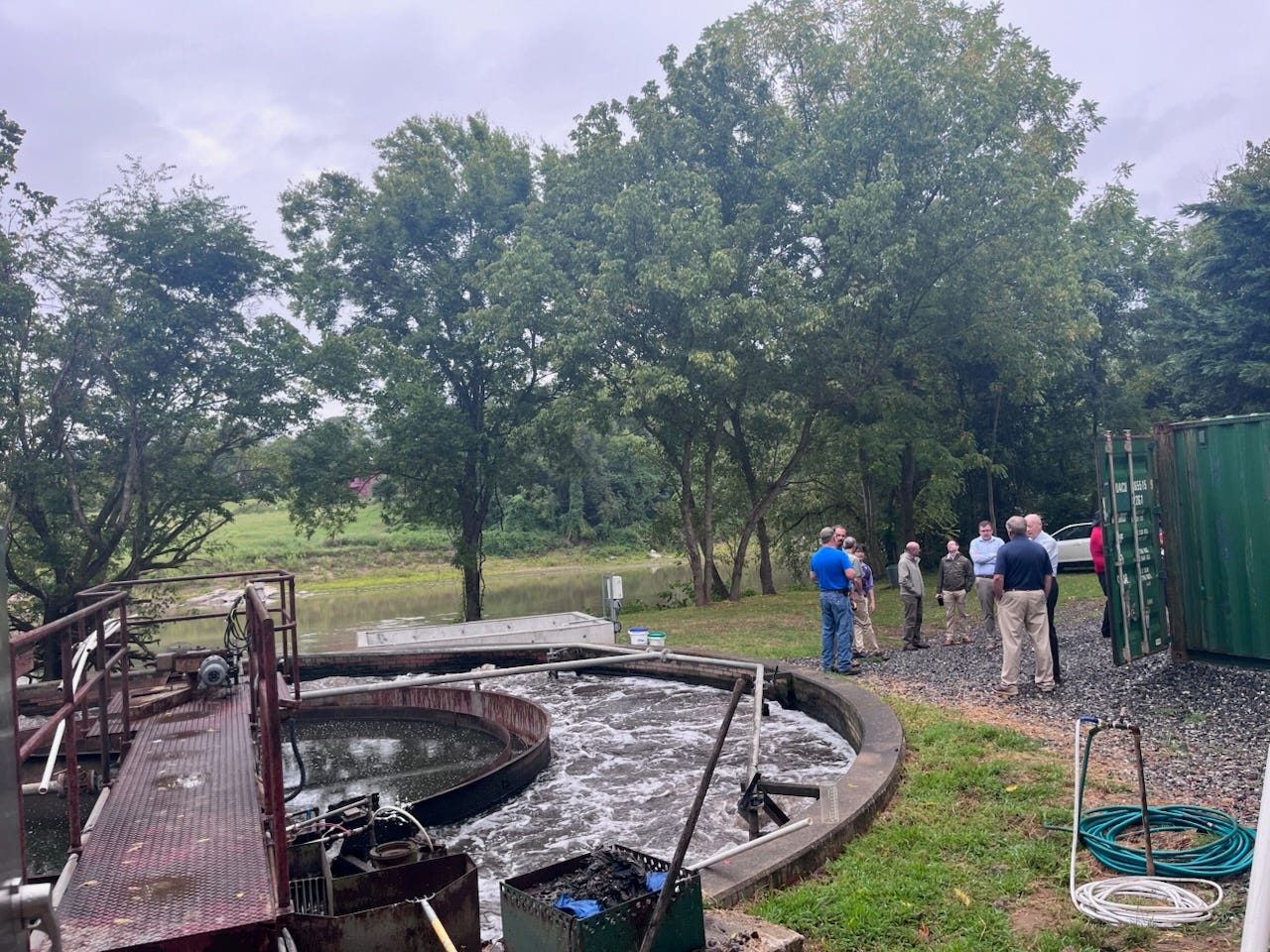
In Hot Springs, the wastewater treatment plant was destroyed during the floods caused by Helene. State and federal officials, including EPA Regional Administrator Kevin McOmber, visited both Marshall and Hot Springs to assess the damage and discuss potential solutions. These visits highlight the urgency of addressing the infrastructure crisis in these communities.
Securing Funding for Wastewater Treatment Upgrades
To address the immediate needs, McGill Associates, the engineering firm working with Hot Springs, recommended accepting a bid from Integrative Water Services for two package plants at a cost of nearly $2.2 million. The Hot Springs Town Board approved this package during its April meeting, which includes $96,000 for technical assistance over one year.
According to Mayor Abby Norton, the $2.2 million will be covered by the UNC Collaboratory, which awarded Hot Springs a $4 million grant in 2023 for a new wastewater treatment plant. The funding will allow the town to build a facility with a 200,000-gallon capacity, addressing issues related to overflow caused by faulty overflow meters.
While the town has not yet identified a permanent site for the future wastewater treatment plant, the package plants will serve as a temporary solution. A sewer package plant is a self-contained, pre-engineered system designed to treat wastewater on-site. These units are typically prefabricated and shipped for installation, offering a compact and cost-effective alternative to traditional field-erected plants.
Ongoing Efforts and Future Plans
Mayor Norton, who has prioritized the wastewater treatment plant since taking office in 2019, emphasized the importance of the project. In 2022, the town requested funding for repairs to the facility, which is located along the French Broad River near the Hot Springs Resort and Spa property. At that time, then-Board of Commissioners Vice Chair Michael Garrison noted the need for the county to address the upgrades.
FEMA engineers estimate that repairing or replacing the Hot Springs wastewater treatment plant will cost between $8 million and $12 million. Additional costs include repairs to the Spring Creek lift station and sewer line, estimated at $407,000, and work on town sewer lines, lift stations, and sand filters, estimated at $344,000. Temporary repairs to the wastewater treatment plants are expected to cost around $55,000.
Advocacy for Federal Support
The American Flood Coalition, a national bipartisan nonprofit, is advocating for financial support for Western North Carolina communities affected by Helene. Recently, members of the coalition, along with Rep. Mark Pless and officials from the Governor's Recovery Office for Western North Carolina (GROW NC), visited the Hot Springs wastewater treatment plant. Local officials, including Mayor Norton and Town Board member Wendy Stancil, were also present.
Hot Springs is one of approximately 10 towns working with the American Flood Coalition. According to Stancil, the coalition plans to advocate for additional funding in Congress in November. With the North Carolina Office of State Budget and Management reporting that storm damages and repairs will cost $59.6 billion, local and state lawmakers previously sought $25.5 billion in federal funding for the region.
At the Hot Springs Town Board's August 11 meeting, the board unanimously approved a resolution supporting the town's participation in the American Flood Coalition. The resolution highlights the need for national coordination and support to address flooding and sea level rise, emphasizing the coalition's role in advocating for solutions that protect coastal communities.
Collaboration and Community Engagement
During the recent visit to the Hot Springs wastewater treatment plant, representatives from the UNC Collaboratory, FEMA, Land of Sky Regional Council, McGill Associates, and the state Department of Environmental Quality were present. Stancil described the visit as "super productive," noting that collaboration among these groups is essential for finding long-term solutions.
"Their all go, it will take a minute to see what moves, as all these folks share what they learned with the appropriate people," Stancil said. "I feel really encouraged a solution will come."
As Hot Springs continues to navigate the challenges posed by Helene, the community remains committed to securing the necessary resources and support to rebuild and enhance its infrastructure. Through partnerships with organizations like the American Flood Coalition and the UNC Collaboratory, the town is working toward a more resilient future.

Post a Comment for "Hot Springs Partners with Flood Coalition to Secure Sewer Funding"
Post a Comment