
How Arcane's Creative Team Elevated Animation for Season 2
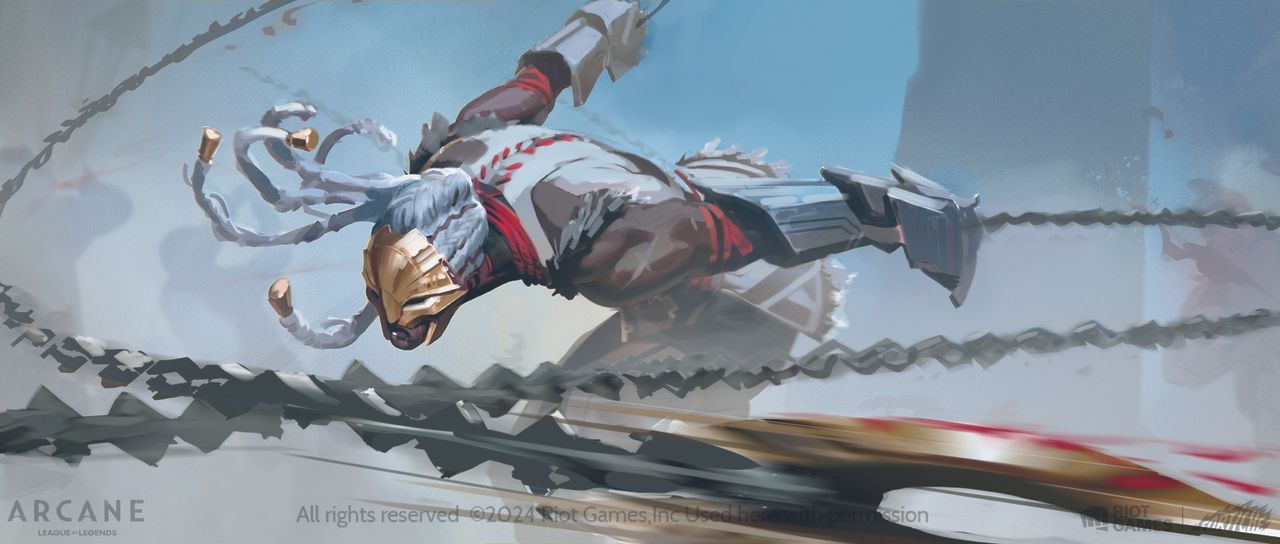
The Evolution of Arcane: A Deeper Dive into Season Two
The anticipation for the second season of Arcane was immense. Set in the expansive universe of Riot Games’ League of Legends, the series captured the hearts of both long-time fans and newcomers when it first debuted on Netflix in 2021. The show’s success was rooted in its compelling narrative, rich character development, and visually stunning animation. With Season Two, the creative team aimed to raise the bar even higher, delivering a sequel that not only matched but exceeded the expectations set by the first season.
Seasons One and Two were produced almost as one continuous project, with work on the second season beginning before the first had even been released. This unique approach allowed the team to maintain a cohesive vision while pushing the boundaries of what could be achieved in animated storytelling.
Creative Vision and Artistic Innovation
At the heart of Arcane is Fortiche, the French animation studio responsible for bringing the world of League of Legends to life. Director and co-founder Pascal Charrue emphasized the studio’s commitment to elevating the visual experience while staying true to the elements that made Season One so successful.
“We wanted to push the visuals even further while maintaining the essence that resonated with audiences,” Charrue said. “Riot gave us a lot of creative freedom, allowing us to collaborate with incredible artists.”
One standout moment from Season Two was the watercolor sequence in Episode Six, created in partnership with Éléa Gobbé Mévellec, director of The Swallows of Kabul. This artistic choice demonstrated the studio’s willingness to experiment with different styles and techniques.
Blending Styles for a Unique Experience
Fortiche’s approach to animation is defined by its ability to seamlessly integrate various artistic techniques. From 2D painting to 3D animation, the studio embraces a diverse range of styles to create a unique viewing experience.
“We aim to create ‘animated concepts’ in every frame,” Charrue added. “Our goal is to transcend traditional animation and offer an experience closer to live-action through a blend of impactful aesthetics.”
This philosophy is evident in the way the studio mixes visual styles throughout the season. For example, the opening funeral sequence in Season Two was animated using charcoal, creating a melancholic tone that reflects the emotional state of the characters.
Character Development and Narrative Depth
In addition to visual innovation, Arcane also focused on deepening the relationships between its characters. The show’s lead characters, Jinx and Vi, underwent significant design changes in Season Two to better align with their in-game counterparts.
“In Season One, only Jinx became as powerful as she is in the game,” Charrue explained. “In Season Two, we gradually evolved the designs of the champions to match their in-game appearances more closely.”
This evolution extended to the characters’ emotional journeys. For instance, Vi’s shift from a protector to someone who feels lost is reflected in her visual design, with her hiding features like hair and tattoos to focus on her fighting skills.
Collaboration and Storytelling
The success of Arcane is also attributed to the close collaboration between Fortiche and the showrunners, Christian Linke and Alex Yee. Their deep understanding of League of Legends lore allowed them to guide the creative process while still giving the animation team the freedom to explore new ideas.
“The production of an animated show is often very segmented, but our relationship with Riot allowed us to make the story evolve throughout production,” Alexis Wanneroy, the animation lead, said. “It’s a true collaboration between writers and artists.”
Making the World Accessible
Despite being based on a video game, Arcane has managed to attract a wide audience, including those unfamiliar with League of Legends. This is due in part to the studio’s attention to detail and commitment to making the world feel grounded and relatable.
“We draw inspiration from real-world art movements, such as art deco and art nouveau, to give Piltover a distinct look,” Charrue said. “Even if you don’t know the game, you can understand how these cities interact and what’s at stake.”
Designing New Characters
With Season Two came the introduction of several new characters, including Steb, Lest, Isha, and Maddie. Each character went through a meticulous design process involving close collaboration with Riot Games to ensure they fit within the established lore.
“Each design begins with Riot’s creative guidelines, which we build and iterate on closely with their team,” Charrue explained. “We test out different archetypes and styles before refining the concept into detailed designs.”
The Animation Pipeline
The process of creating an episode involves several stages, starting with mood boards that establish the look and feel of locations, characters, and scenes. These are then developed into detailed storyboards, which play a crucial role in guiding the animation process.
“Every camera angle is chosen with purpose to support the narrative,” Wanneroy said. “By locking down these elements early, we can focus on delivering authentic performances that bring the story to life.”
Conclusion
The second season of Arcane is a testament to the power of creative collaboration, artistic innovation, and a deep respect for the source material. Through its bold visual choices, emotional storytelling, and commitment to character development, the show continues to captivate audiences and set a new standard for animated series.

Post a Comment for "How Arcane's Creative Team Elevated Animation for Season 2"
Post a Comment