
How to Grow a Key Lime Tree for Year-Round Harvests Indoors or Outdoors
Understanding Key Lime Trees and Their Care
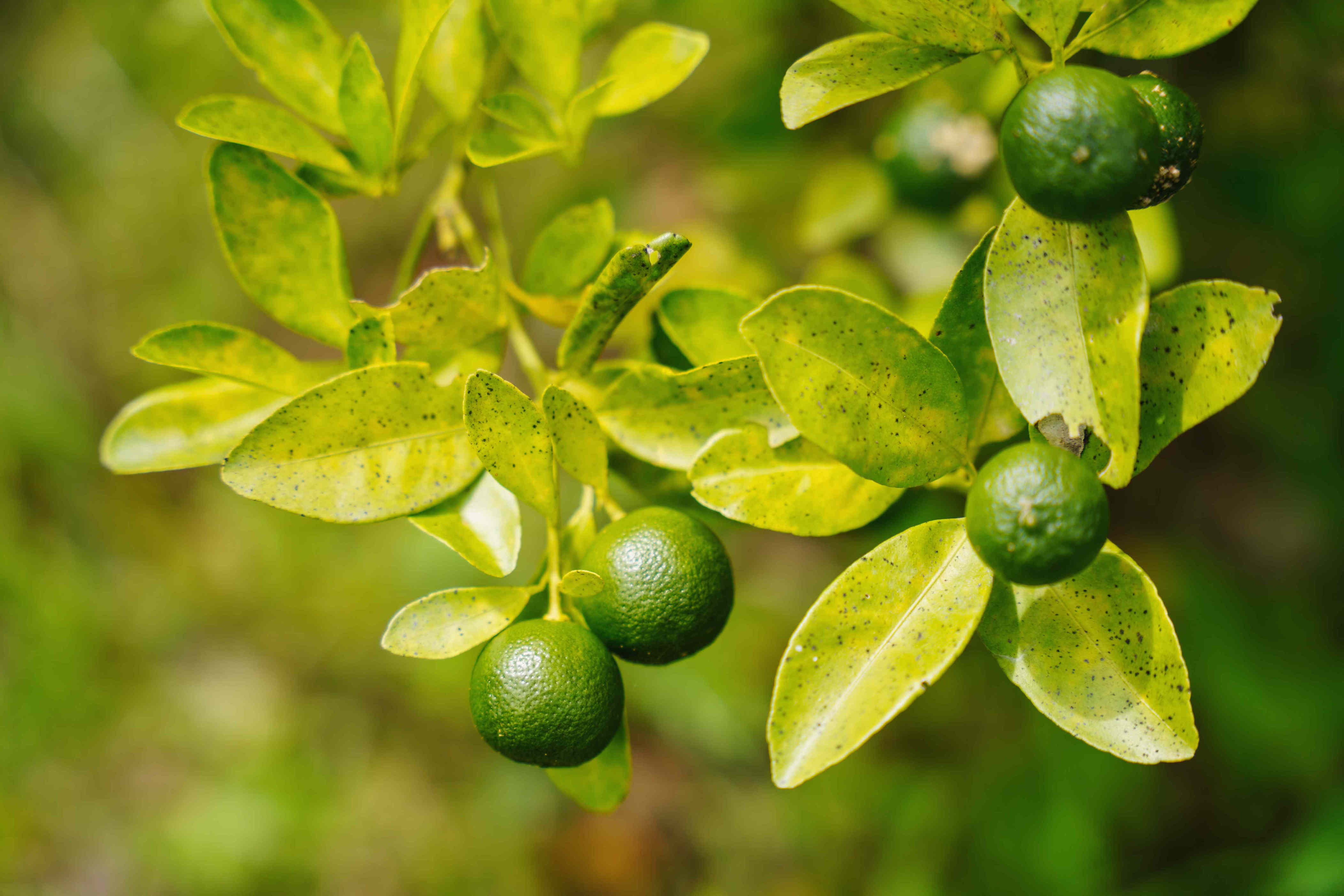
If you're someone who enjoys the beauty of foliage, delicate flowers, and a bountiful harvest, then a key lime tree could be an excellent addition to your garden or home. These trees are known for their evergreen leaves and can thrive in warm environments, whether planted outdoors or grown in containers. Growing a key lime tree at home is a great way to enjoy homemade pies, bars, and other desserts made from fresh key limes. Here's how to properly care for them, according to experts.
Expert Insights on Planting Key Lime Trees
Lisa Tadewalt, an ISA-certified arborist and co-founder of Urban Forest Pro, emphasizes the importance of selecting a locally grown key lime tree that’s already adapted to indoor conditions. This makes it easier to plant the tree at any time of the year. Caroline Ervin, a landscape designer and owner of The Georgetown Garden Shop, suggests planting key lime trees in USDA zones 10 through 11 during spring or early fall when soil temperatures are more favorable.
When planting outdoors, Ervin recommends digging a hole slightly wider than the root ball and loosening the soil at the bottom. If the soil quality is poor, mixing in organic conditioner and sand can help. Place the tree in the hole with the trunk flare just above the soil surface. Fill the hole, press the soil firmly around the root ball, and water thoroughly. Applying a layer of natural mulch helps retain moisture and suppress weeds.
For container planting, Ervin advises using a large pot (at least 27 inches wide and 24 inches deep) with drainage holes. Adding gravel at the bottom and a piece of filter fabric can improve drainage. Fill the container with quality potting soil, ensuring the root ball is about 2 inches below the top. Water thoroughly and apply a light layer of mulch, keeping it away from the trunk.
Essential Care Practices for Key Lime Trees
Temperature is a critical factor in the health of key lime trees. Ondrea Kidd, lead floral designer and founder of Sowing Joy Farm, recommends keeping the tree in an area where temperatures do not drop below 50 degrees Fahrenheit. Sunlight is equally important—key lime trees need at least six to eight hours of direct sunlight daily.
Fertilizing regularly with a citrus-specific fertilizer is essential. Kidd suggests applying it in early spring and adding new compost while covering all roots. Avoid letting the fertilizer touch the trunk or foliage to prevent burning. Watering should be consistent but not excessive. Ervin recommends watering deeply and allowing the top inch of soil to dry between sessions. Container-grown trees may require more frequent watering.
Repotting and Pruning Key Lime Trees
When repotting, choose a container only slightly larger than the current one. Remove the tree from its old pot, loosen circling roots, and trim any dead or damaged roots. Plant in fresh, well-draining, slightly acidic soil, and water thoroughly. Pruning is important for maintaining shape, improving air circulation, and encouraging growth. Ervin advises pruning in winter or early spring, removing crossing branches and thinning the canopy. Always clean pruners with rubbing alcohol between uses.
Overwintering and Pest Management
Temperatures below 35 degrees Fahrenheit can harm key lime trees, so bringing them indoors when overnight temperatures drop into the mid-40s is necessary. Ensure they receive at least six to eight hours of direct sunlight. Monitor soil moisture to keep the tree healthy.
Key lime trees are susceptible to pests like leaf miners, scale, and aphids. Ervin recommends using organic solutions such as neem oil or insecticidal soap. Citrus canker, which causes raised lesions on leaves and fruits, can be managed by pruning affected areas and applying copper-based sprays.
Frequently Asked Questions About Key Lime Trees
How long does it take for a key lime tree to bear fruit? While some trees may produce fruit in their first year, it often takes several years for a newly planted tree to mature. Flowers appear in spring, and fruits develop later in the season. If flowers fall off before producing fruit, it may indicate the tree is not yet mature enough.
Do key lime trees grow well in pots? Yes, as long as the container is large enough and the soil remains consistently moist. They can thrive in containers, though they typically grow shorter in size compared to those planted outdoors.
How tall do key lime trees get? Most key lime trees can reach 6 to 12 feet in height. Dwarf varieties may grow up to six feet outdoors and 3 to 4 feet in containers.
Do key lime trees need hand pollination? While they are self-pollinating, having multiple trees can increase fruit production. Hand pollination using a soft tool like a Q-tip or paintbrush can also enhance yields.

Post a Comment for "How to Grow a Key Lime Tree for Year-Round Harvests Indoors or Outdoors"
Post a Comment