
Mexican Nights: Traditional Music and Dance at the Ford
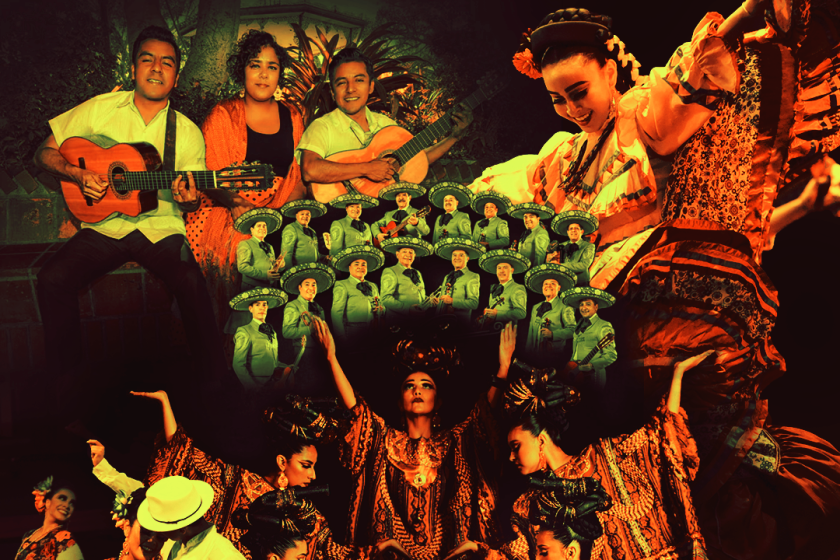
Exploring Mexican Cultural Traditions Through "Mexican Nights"
Beginning August 2, the Ford is launching a new event series called “Mexican Nights,” designed to celebrate and showcase the rich artistic traditions of Mexico. This immersive experience offers attendees a chance to engage with the vibrant world of boleros, mariachi, and traditional dance, all while honoring the deep cultural roots that define these art forms.
Each performance in the series highlights different aspects of Mexican heritage, bringing together musicians, dancers, and artists from across the country. The events take place at the Hollywood Hills venue, offering a unique space for community connection and cultural appreciation.
Aug. 2 — Boleros de Noche
The first event of the summer series, “Boleros de Noche,” will feature the reunion of Marisoul Y Los Hermanos Carlos, a group with a long history in the music scene. Their journey began with La Santa Cecilia, a band known for its performances at Downtown L.A.'s Placita Olvera. The evening will also include the brother duo Bolero Soul, whose musical legacy traces back to their grandfather’s influence in Jalisco during the 1930s.
Roberto Carlos, the creative director of Boleros de Noche, shared how his love for live performance began in his teenage years. He recalled a memorable Sunday concert at the now-defunct Teatro los Pinos in South Gate, where he was taken by his father. That experience sparked a lifelong passion for music and storytelling.
Carlos has since dedicated himself to creating spaces where people can connect with bolero music in a meaningful way. In 2015, he launched the first iteration of Boleros de Noche in an Echo Park art gallery, aiming to give recognition to artists who are often relegated to background music at weddings and quinceañeras.
In 2024, the City of Los Angeles officially declared August 2 as Día de Bolero, a move that Carlos sees as a powerful statement of cultural pride. “It's a necessity to keep preserving our identity and culture alive,” he said. “We need to celebrate the contributions Latin American communities bring to L.A.”
Aug. 7 — Leyendas del Mariachi
The second event, “Leyendas del Mariachi,” brings together some of the most iconic mariachi groups in the country. Suzanne Garcia, a lifelong mariachi musician and producer of the event, emphasized the deep-rooted tradition of mariachi music. “Mariachis play until they're well into their 70s,” she said. “It's in your blood.”
The performance will feature members from Mariachi Vargas de Tecalitlán, Mariachi Los Camperos, Mariachi Nuevo Tecalitlán, Mariachi Cobre, and Mariachi América de Jesús Rodríguez de Hijar. These musicians have been part of a legacy that spans generations, with many families passing down the craft through the years.
Garcia recalls watching these musicians perform as a child, and she hopes the event will bring back cherished memories for fans. “Mariachi is such a unifying music,” she said. “No matter your age, you can play the same songs and be together on stage.”
This event has drawn audiences from across the country, as many people travel to see these legendary performers. “People want to see their legends,” Garcia added. “They miss seeing them on stage, because some haven’t performed on that big stage for many years.”
Aug. 16 — Serenatas y Bodas de México
The final event of the series, “Serenatas y Bodas de México,” will explore the customs and traditions surrounding weddings in various Mexican states. The Grandeza Mexicana Folk Ballet Company, along with the Teocalli Ballet Folklórico México and the Mariachi Tesoro de San Fernando, will present performances that highlight the cultural significance of marriage ceremonies.
Founded in 2003 by Jose Vences, the Grandeza Mexicana Folk Ballet Company has a long history of performing at the Ford. This year’s showcase will focus on the diverse meanings of marriage across different regions of Mexico, including the Yucatán, Morelos, Oaxaca, Nayarit, Michoacán, and Jalisco.
One of the most unique aspects of the program is the world premiere of a tribute to the Muxes de Oaxaca, a third gender historically recognized in Zapotec culture. Vences explained that this section required careful consideration to represent the cultural and social significance of the Muxes.
“It's a very interesting way of approaching the history of a group that seems to be very lonely,” Vences said. “How can we creatively represent the feelings of members of this population that don't have a 'regular' life?”
Through these performances, the series aims to create a space where culture, community, and tradition come together, celebrating the richness of Mexican heritage.

Post a Comment for "Mexican Nights: Traditional Music and Dance at the Ford"
Post a Comment